How to Use Fiber Optic Lights to Create a Unique Atmosphere
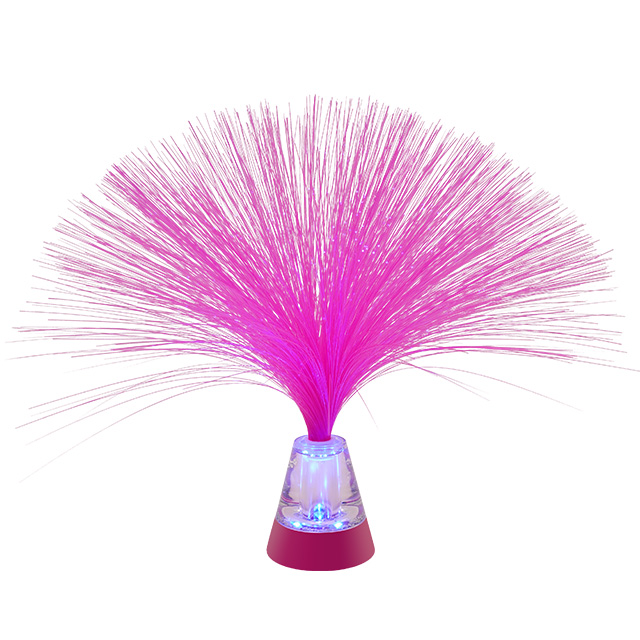
How to Use Fiber Optic Lights to Create a Unique Atmosphere
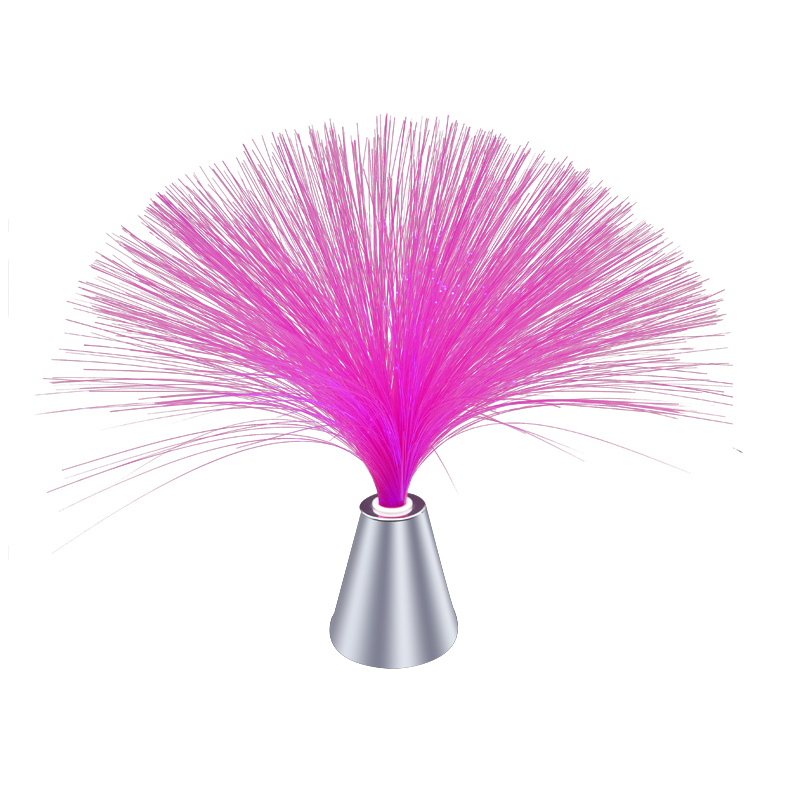
Table of Contents
- Introduction to Fiber Optic Lights
- Ways to Use Fiber Optic Lights for Unique Atmospheres
- Comparison Between Fiber Optic Lights and Night Lights
- Expert Opinions on Fiber Optic Lights
- General USB Charger Parameter Table
- Reference to Previous Blog: How to Increase the Service Life of Mobile Phone Charger
- Common Industry FAQs
1. Introduction to Fiber Optic Lights
2. Ways to Use Fiber Optic Lights for Unique Atmospheres
2.1 Home Decoration
2.2 Commercial Spaces
2.3 Outdoor Settings
3. Comparison Between Fiber Optic Lights and Night Lights
3.1 Advantages of Fiber Optic Lights
- Versatility: Fiber optic lights can be shaped and arranged in countless ways, allowing for highly customized lighting designs. They can be bent, twisted, and cut to fit any space or object.
- Safety: Since the light source is separate, the fibers themselves remain cool to the touch, making them safe to use around children and pets, and reducing the risk of fire.
- Energy Efficiency: The light source for fiber optic lights is often an LED, which is energy-efficient and has a long lifespan, leading to lower energy costs.
- No UV/Heat Emission: This makes them suitable for illuminating sensitive items like artworks, fabrics, and plants.
3.2 Disadvantages of Fiber Optic Lights
- Initial Cost: The initial investment in fiber optic lights, including the light source and fibers, can be higher than that of traditional night lights.
- Installation Complexity: Proper installation may require some planning and effort, especially for more elaborate setups like starry ceilings.
- Dependence on Light Source: If the light source fails, all the fibers connected to it will stop working until the source is replaced.
3.3 Advantages of Night Lights
- Low Initial Cost: Night lights are generally inexpensive and easy to purchase.
- Simple Installation: Most night lights plug directly into an outlet or are battery-operated, requiring no complex setup.
- Portability: They are small and lightweight, making them easy to move from one location to another.
3.4 Disadvantages of Night Lights
- Limited Design Options: Night lights typically have a fixed shape and design, offering less flexibility in creating unique atmospheres.
- Heat Emission: Some traditional night lights can get warm, posing a slight risk, especially if placed near flammable materials.
- Less Energy Efficient: Older night light models may consume more energy compared to fiber optic lights with LED sources.
4. Expert Opinions on Fiber Optic Lights
5. General USB Charger Parameter Table
| Parameter | Specification |
|---|---|
| Input Voltage | 100-240V AC |
| Output Voltage | 5V DC |
| Output Current | 1A, 2.1A, 2.4A (multiple ports may have different currents) |
| Number of Ports | 1-6 (varies by model) |
| Charging Protocol | Supports USB BC 1.2, Apple 2.4A, Samsung Adaptive Fast Charging, etc. (depending on the charger) |
| Material | Fire-retardant plastic (ABS, PC) |
| Safety Features | Over-current protection, over-voltage protection, short-circuit protection, over-temperature protection |
| Dimensions | Typically 50-100mm (length) x 30-60mm (width) x 20-30mm (height) |
| Weight | 30-100g |
6. Reference to Previous Blog: How to Increase the Service Life of Mobile Phone Charger
7. Common Industry FAQs
7.1 How long do fiber optic lights last?
The lifespan of fiber optic lights mainly depends on the light source. LED light sources used in fiber optic systems typically last 50,000-100,000 hours. The fiber strands themselves can last for decades if properly maintained.
7.2 Can fiber optic lights be used outdoors?
Yes, but it's important to choose outdoor-rated fiber optic lights that are waterproof and weather-resistant to withstand various environmental conditions.
7.3 Are fiber optic lights difficult to install?
Basic installations, such as placing fiber optic strands in a vase or around a bed frame, are relatively easy. More complex setups like starry ceilings may require some DIY skills or professional installation, but there are many tutorials available to guide you.
7.4 Can fiber optic lights change colors?
Yes, many fiber optic light systems come with color-changing light sources, allowing you to switch between different colors or set them to fade or flash.
7.5 Are fiber optic lights expensive to run?
No, because most fiber optic lights use LED light sources, which are energy-efficient. The energy consumption is relatively low compared to traditional lighting options.
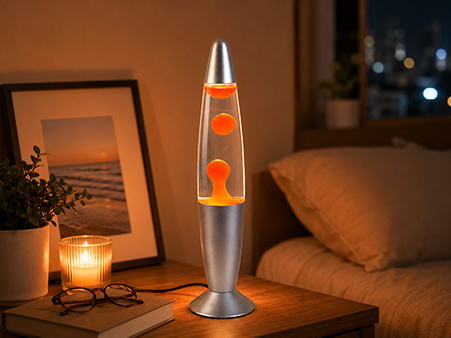
Birthday Gift Recommendation: Cool Lava Lamp
Must-have for best friends! LED doughnut-shaped touch night light
Related Article