
A birthday gift that will surprise boys - plasma ball
author: Tony
2025-10-28
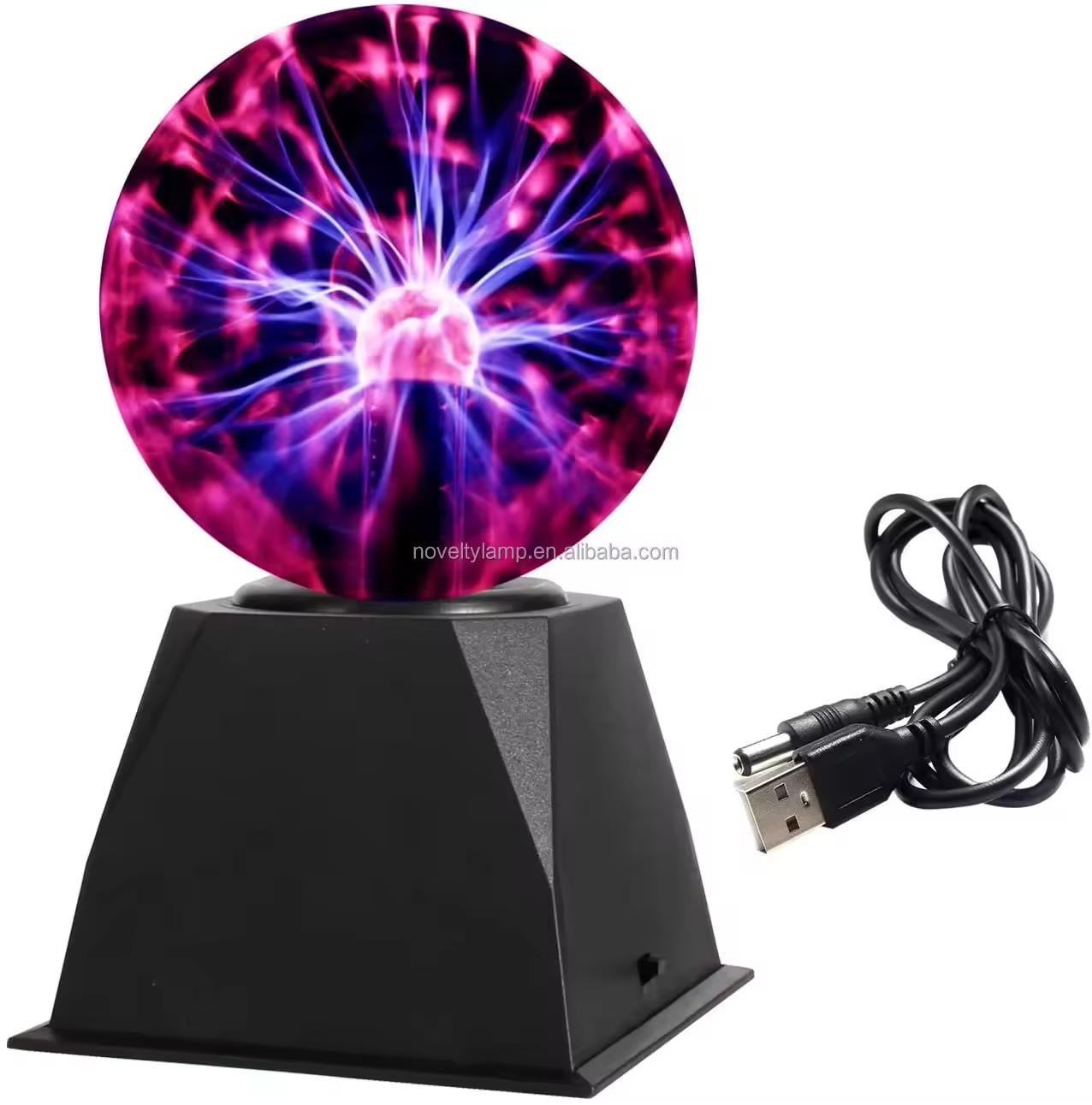
A Birthday Gift That Will Surprise Boys - Plasma Ball
Are you on the hunt for a birthday gift that breaks the mold of typical toys and gadgets, something that blends science, wonder, and interactive fun? Look no further than the plasma ball. This mesmerizing device isn’t just a decoration—it’s a portal to the fascinating world of electromagnetism, guaranteed to captivate boys of all ages (and let’s be honest, adults too!). In this blog, we’ll explore why plasma balls are the ultimate surprise gift, how they work, what to look for when buying one, and answer some burning questions about these glowing orbs of energy.
1.Table of Contents
- Why Plasma Balls Are the Perfect Surprise for Boys
- What Exactly Is a Plasma Ball? (And How Does It Work?)
- Key Features to Look for in a Plasma Ball Gift
- Expert Insights: Why Plasma Balls Spark Curiosity in Kids
- A Quick Nod to Our Previous Blog: Can Two People Touch the Electrostatic Plasma Ball?
- FAQs: Common Questions About Plasma Balls

2. Why Plasma Balls Are the Perfect Surprise for Boys
Let’s face it—boys (and kids in general) are drawn to things that are dynamic, interactive, and a little bit “cool”. Plasma balls check all these boxes and more. Unlike static toys that lose their appeal after a few plays, a plasma ball offers endless fascination:
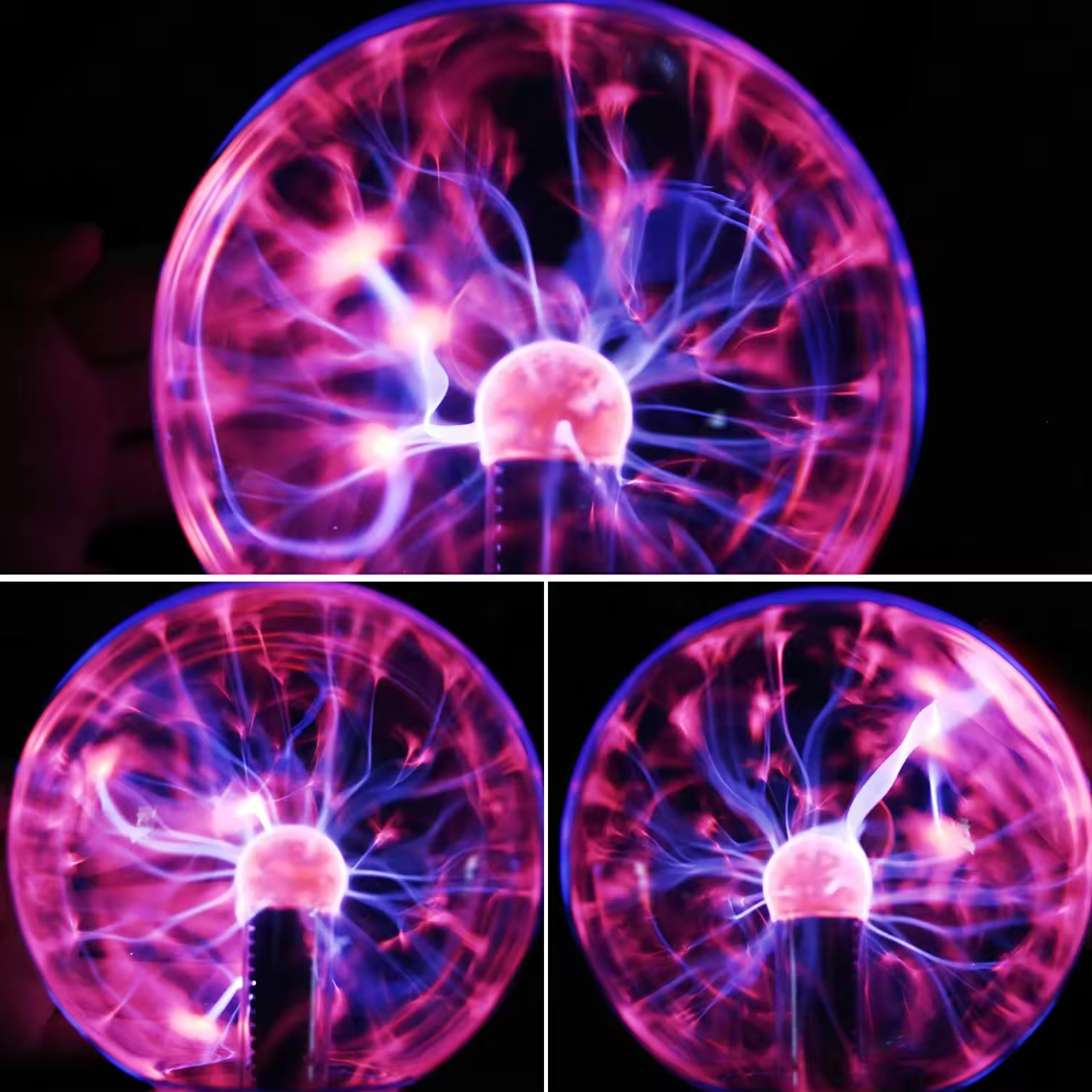
- Visual Spectacle: When turned on, the ball lights up with glowing, thread-like plasma filaments that dance and follow your touch. It’s like holding a mini lightning storm in your hands, which is instantly attention-grabbing.
- Hands-On Science: It’s not just a toy—it’s a living demonstration of physics. Boys can experiment by touching the glass, bringing objects close (like a pen or their hand), and watching how the plasma filaments react. This turns play into informal learning, sparking curiosity about electricity, plasma, and magnetism.
- Unique Decor: Beyond play, a plasma ball makes a stylish addition to a bedroom or desk. With its soft, glowing light, it doubles as a nightlight or a cool decorative piece, making it a gift that’s both fun and functional.
Unlike video games or action figures that often isolate users, plasma balls invite sharing. Whether it’s showing off to friends at a birthday party or experimenting with family, it’s a gift that encourages social interaction—another big plus for parents and kids alike.
3. What Exactly Is a Plasma Ball? (And How Does It Work?)
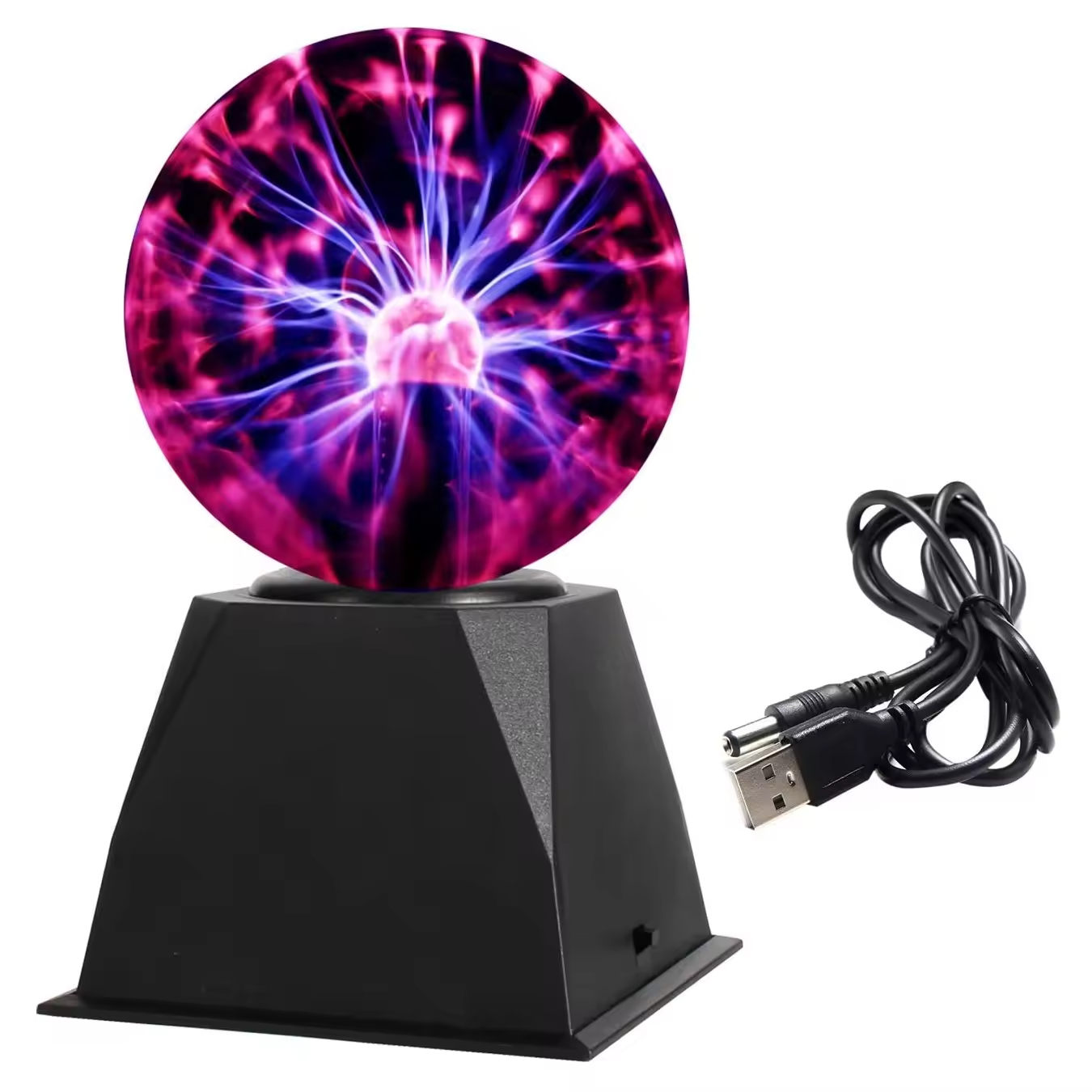
To truly appreciate why plasma balls are so amazing, let’s break down what they are and how they operate. At first glance, it looks like a glass globe filled with gas, mounted on a base. But the magic happens inside that globe, thanks to electromagnetism and plasma—one of the four fundamental states of matter (along with solid, liquid, and gas).
3.1 The Basics of Plasma
Plasma is often called the “fourth state of matter.” It forms when gas is heated to extremely high temperatures or exposed to a strong electric field, causing its atoms to lose electrons (ionization). This creates a soup of charged particles (ions and electrons) that can conduct electricity—hence why plasma is often referred to as “ionized gas.” Examples of plasma in nature include lightning, the sun, and neon lights.
3.2 How a Plasma Ball Generates Its Glow
A plasma ball works by using a high-frequency, high-voltage electrode at its center. Here’s a step-by-step breakdown:
- The Core Electrode: The base of the plasma ball contains a power supply that sends a high-voltage current to a metal electrode at the center of the glass globe.
- Ionizing the Gas: The globe is filled with a low-pressure noble gas (usually neon, argon, or a mixture). When the high-voltage current reaches the central electrode, it ionizes the gas molecules, turning them into plasma.
- The Dancing Filaments: The charged plasma particles are attracted to the nearest ground (which is usually your hand when you touch the glass). This creates the bright, thread-like filaments that stretch from the center electrode to the glass surface, following your touch as you move your hand.
- The Glow: Different gases produce different colors—neon gives a bright red/orange glow, while argon creates a softer blue or purple hue. Some plasma balls mix gases to produce multi-colored effects.
The result? A mesmerizing display of glowing “lightning” that responds to human touch, making it feel like you’re controlling electricity with your hands.
4. Key Features to Look for in a Plasma Ball Gift
Not all plasma balls are created equal. When shopping for one as a birthday gift, keep an eye on these key features to ensure you pick a high-quality, kid-friendly option:
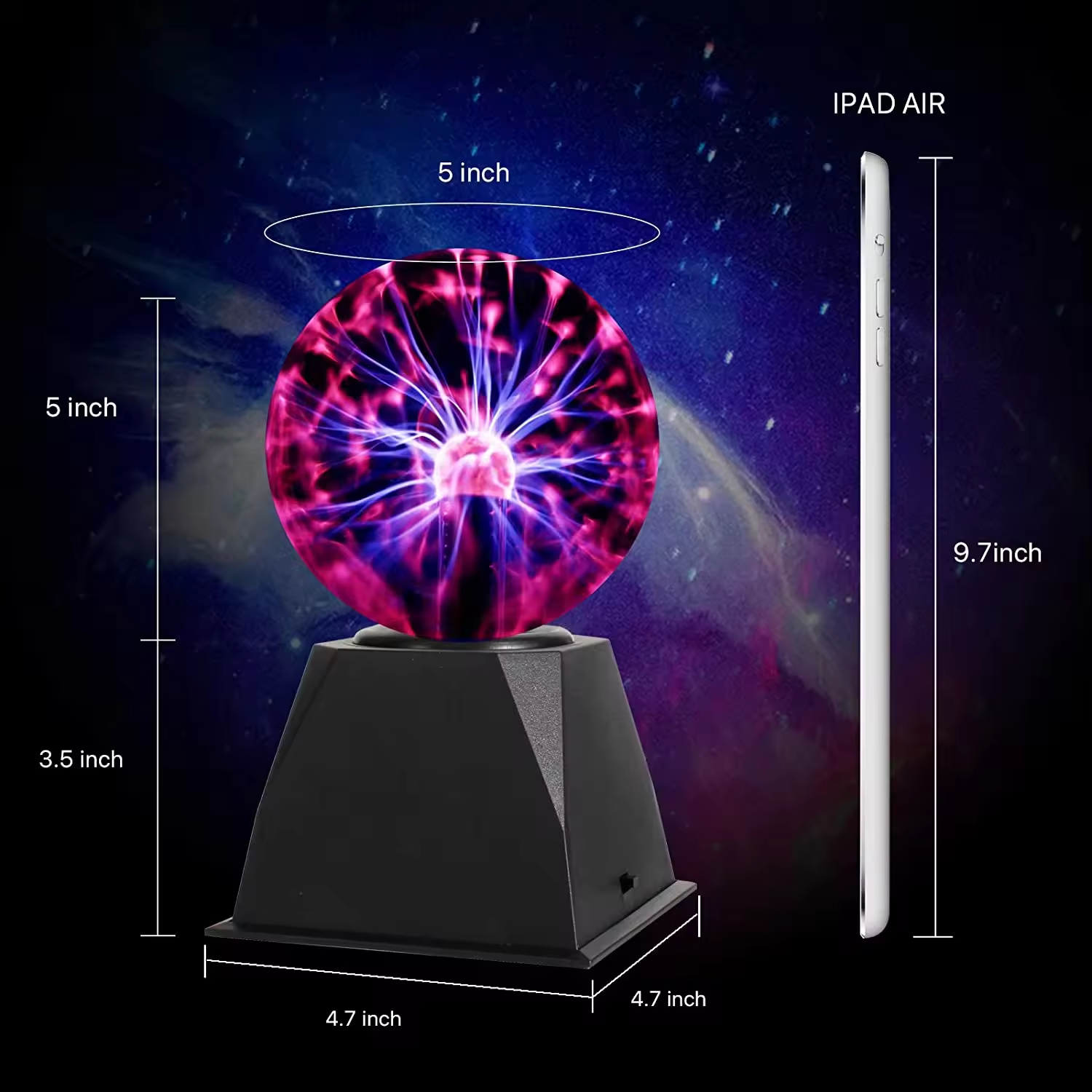
4.1 Size Matters
Plasma balls come in various sizes, from small desk-top models (6-8 inches tall) to larger statement pieces (12+ inches). For a boy’s gift, a medium-sized ball (8-10 inches) is ideal—it’s big enough to be impressive but small enough to fit on a desk or shelf without taking up too much space.
4.2 Safety First
Since plasma balls use electricity, safety is paramount, especially for younger boys. Look for:
- Sturdy Glass Globe: A thick, shatter-resistant glass globe reduces the risk of breakage.
- UL-Certified Base: Ensure the power supply and base are certified by a safety organization (like UL in the US) to meet electrical safety standards.
- Low Voltage Operation: Most plasma balls operate at low voltages (even though the internal electrode is high-voltage), making them safe to touch—just avoid using them with wet hands!
4.3 Additional Features
Some plasma balls come with extra features that enhance the fun:
- Color Modes: Multi-color plasma balls can cycle through different hues, adding more visual variety.
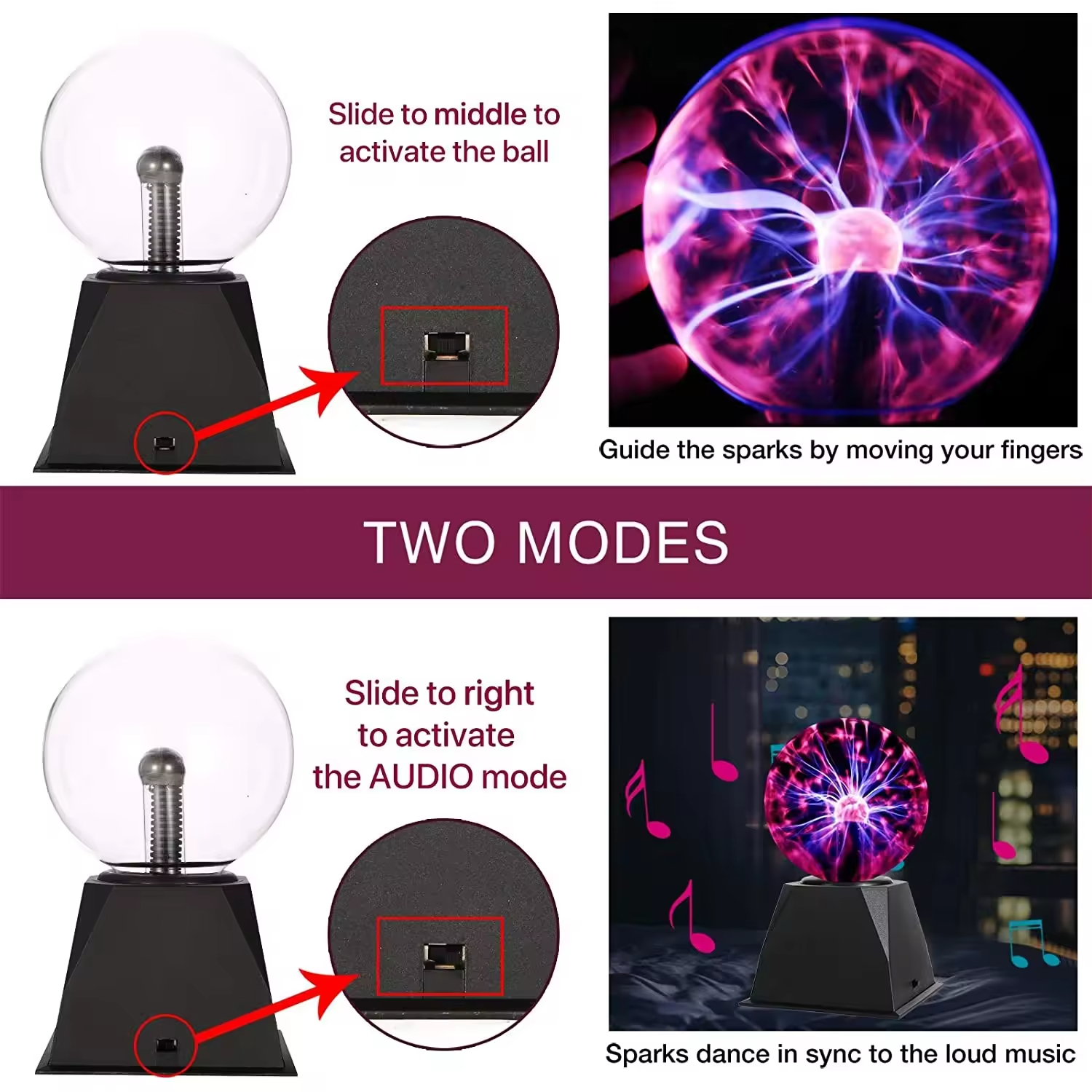
- Sound Activation: Some models react to music or sound, making the plasma filaments dance in time with beats—perfect for parties!
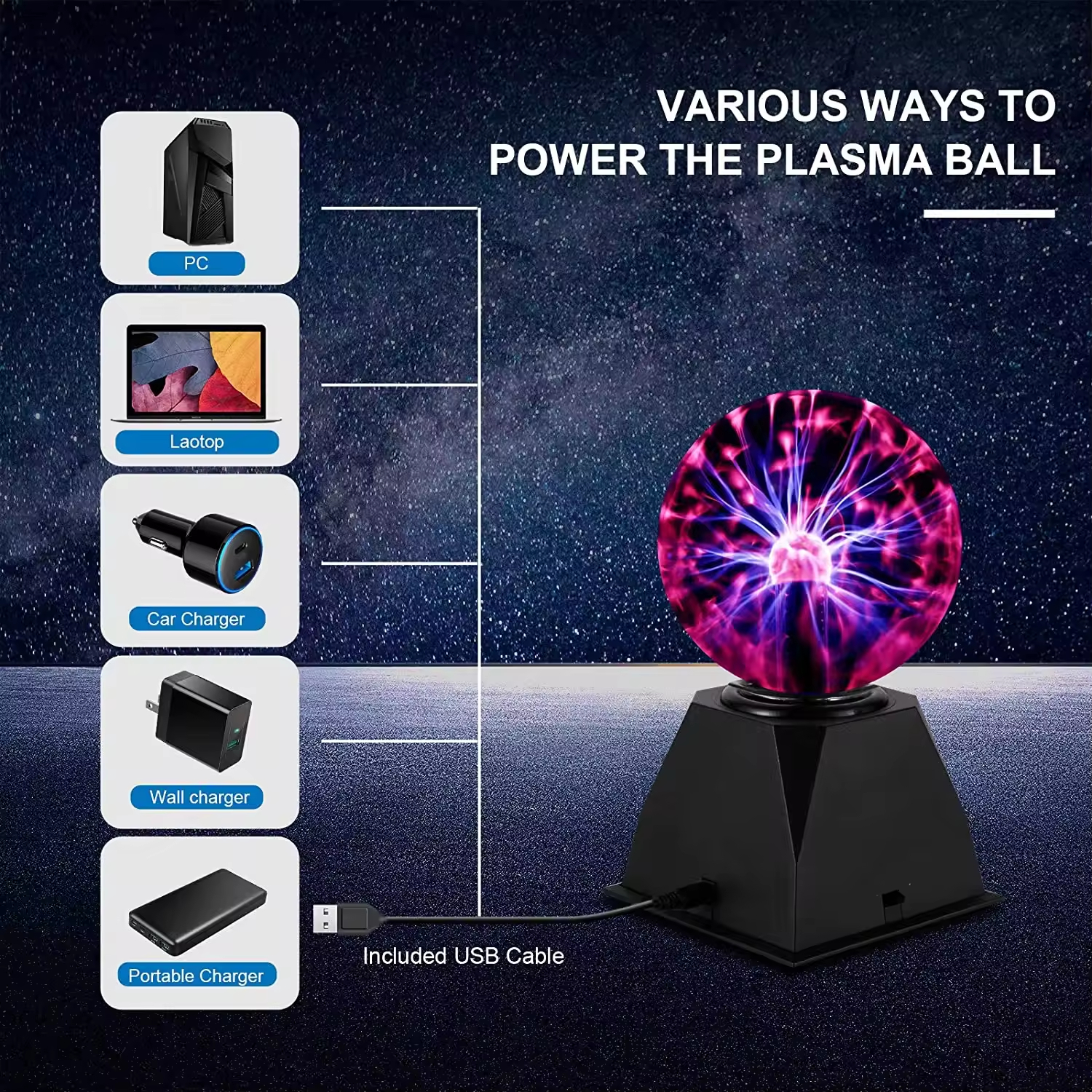
- USB or Battery Power: USB-powered plasma balls are convenient for desks (no need for an outlet), while battery-powered ones offer portability.
4.4 Durability
Kids can be rough with toys, so choose a plasma ball with a sturdy, non-slip base to prevent it from tipping over. Avoid models with flimsy plastic parts that are easy to break.
5. Expert Insights: Why Plasma Balls Spark Curiosity in Kids
To understand why plasma balls are more than just a toy, we turned to Dr. Emily Carter, a physicist and science educator with over 15 years of experience teaching children about electromagnetism.
“Plasma balls are brilliant tools for engaging kids in science because they make abstract concepts tangible,” says Dr. Carter. “Most kids learn about solids, liquids, and gases in school, but plasma is often overlooked. A plasma ball lets them see and interact with plasma—they can touch the glass, watch the filaments move, and start asking questions like, ‘Why does it follow my hand?’ or ‘What’s that glowing stuff?’”
She adds, “This kind of hands-on exploration is key to fostering a love of STEM. When kids have fun while learning, they’re more likely to retain information and develop a curiosity that extends beyond the toy. A plasma ball isn’t just a gift—it’s a gateway to a lifelong interest in science.”
Dr. Carter also notes that plasma balls are great for teaching basic safety around electricity. “Kids learn that while the plasma is safe to touch (because the glass insulates the high voltage), they should never stick objects inside the globe or use it near water. It’s a gentle way to introduce important safety rules without feeling like a lecture.”
6. A Quick Nod to Our Previous Blog: Can Two People Touch the Electrostatic Plasma Ball?
If you’re curious about the social side of plasma balls, you might want to check out our previous blog: Can two people touch the electrostatic plasma ball? In that post, we explored whether multiple people can interact with a plasma ball at the same time—and the answer is yes!
When two people touch the glass (or hold hands while one touches it), the plasma filaments will often stretch to both hands, creating a “bridge” of light between them. This happens because the human body is a conductor, so the electric current travels through both people to the ground. It’s a fun party trick that turns the plasma ball into a group activity, and it’s a great way to demonstrate how electricity flows through conductors. For more details on this and other plasma ball experiments, be sure to give that blog a read!
7. FAQs: Common Questions About Plasma Balls
If you’re new to plasma balls, you probably have some questions. Here are answers to the most common ones we hear:
7.1 Is a plasma ball safe for kids?
Yes, when used properly. Most plasma balls are designed with safety in mind— the glass globe insulates the high-voltage electrode, so touching the glass is safe. However, keep them away from young children who might try to break the glass or stick objects inside. Always follow the manufacturer’s safety instructions.
7.2 How long do plasma balls last?
With proper care, a high-quality plasma ball can last for 5-10 years. Avoid leaving it on for extended periods (most manufacturers recommend no more than 4-6 hours at a time) to prevent overheating, which can shorten its lifespan.
7.3 Can a plasma ball damage electronics?
Plasma balls emit a small amount of electromagnetic radiation, but it’s not strong enough to damage most electronics. However, it’s best to keep them a few feet away from sensitive devices like laptops or smartphones, just to be safe.
7.4 Why do the plasma filaments follow my touch?
Your hand is a conductor of electricity. When you touch the glass, you become the nearest ground for the charged plasma particles, so the filaments are attracted to your hand. It’s like creating a “path” for the electricity to follow.
7.5 Can I use a plasma ball as a nightlight?
Absolutely! Many plasma balls have a dimmer switch or a low-light mode, making them perfect for use as a nightlight. The soft, glowing light is calming and adds a cool vibe to any bedroom.
8. Final Thoughts: Why a Plasma Ball Is the Ultimate Surprise
When it comes to birthday gifts that surprise and delight, a plasma ball stands out from the crowd. It’s not just a toy—it’s a fusion of science, art, and fun that will keep boys entertained for hours. Whether they’re experimenting with its physics, showing it off to friends, or using it as a stylish desk accessory, it’s a gift that keeps on giving.
So, if you want to give a gift that’s more than just “another present”—one that sparks curiosity, encourages exploration, and creates lasting memories—a plasma ball is the way to go. Trust us, the look of wonder on his face when he turns it on for the first time will be priceless.
Where is the best place to put the bubble fish lamp in the house?
Do electrostatic plasma balls consume a lot of electricity?
Related Article

he global decorative lighting market is changing rapidly. Instead of selling only standard lighting products, more brands, retailers, and distributors are looking for customized lighting solutions that help them create unique products and strengthen their market position.
Why Custom Decorative Lighting Is Becoming a Key Growth Strategy for Global Brands in 2026

Home lighting is no longer just about brightness. In 2026, smart ambient lighting has become an important element of modern interior design, helping people create personalized spaces with color, atmosphere, and visual experiences.
How Smart Ambient Lighting Is Transforming Modern Home Decor in 2026?

Decorative lighting is no longer just about illumination. In 2026, it has become an essential part of interior design, lifestyle branding, and consumer experience. Whether in homes, hotels, retail stores, cafés, or entertainment venues, decorative lighting products are increasingly chosen to create atmosphere, express personality, and enhance living spaces.
How Decorative Lighting Is Evolving in 2026: Trends Buyers Should Know
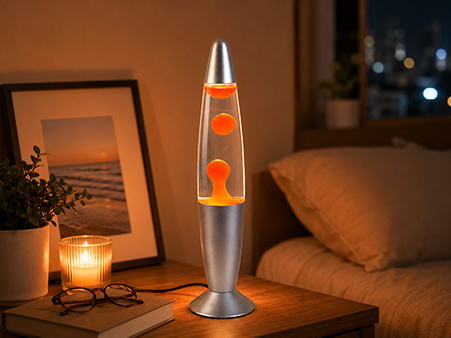
When global B2B buyers and gift shop retailers source commercial lava lamps, identifying manufacturing quality is critical to avoiding product returns and ensuring safety compliance. High-quality commercial lava lamps are defined by three core benchmarks: high-borosilicate scratch-resistant glass, certified non-toxic paraffin wax formulas that prevent cloudiness, and strict thermal safety compliance including CE, RoHS, and UL certifications.
How to Identify High-Quality Motion Lighting for Wholesale