What should I do if the electrostatic ion ball glass breaks?
What should I do if the electrostatic ion ball glass breaks?
Table of Contents
- Introduction to the Electrostatic Ion Ball (Plasma Ball)
- Immediate Steps to Take When the Glass Breaks
- Expert Advice on Handling Broken Plasma Ball Glass
- USB Charger Specifications for Plasma Balls
- Related: Multi-Person Interaction with Plasma Balls
- Frequently Asked Questions
Introduction to the Electrostatic Ion Ball (Plasma Ball)
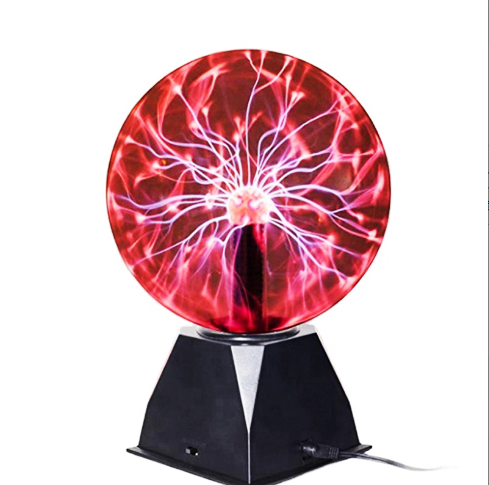
The electrostatic ion ball, more commonly known as a plasma ball, is a fascinating device that combines science and aesthetics. It consists of a sealed glass sphere filled with inert gases (such as neon or argon) and a metal electrode at its center. When connected to a power source, the electrode emits high-voltage, low-current electricity, which ionizes the gas inside, creating glowing plasma filaments that dance and follow the electric field.
Plasma balls are widely used for educational purposes, home decoration, and science demonstrations. Their glass sphere is a crucial component—it not only contains the inert gas but also protects the internal electrode and ensures safe operation. However, accidents can happen, and if the glass breaks, proper handling is essential to avoid harm and further issues.
Immediate Steps to Take When the Glass Breaks
If the glass of your plasma ball breaks, follow these critical steps to ensure safety and minimize risks:
- Turn Off the Power Immediately: The first and most important step is to disconnect the plasma ball from its power source (whether it’s a USB charger or an AC adapter). This prevents any potential electric shock from the exposed electrode, as the device operates at high voltages.
- Avoid Direct Contact with Broken Glass: Wear thick gloves (such as work gloves or gardening gloves) to protect your hands from sharp glass shards. Never touch the broken glass with bare hands, as it can cause deep cuts.
- Ventilate the Area: The plasma ball contains inert gases, which are generally non-toxic. However, in rare cases, small amounts of other gases or dust might be released when the glass breaks. Open windows and doors to ensure proper ventilation and avoid inhaling any potentially harmful particles.
- Collect Broken Glass Safely: Use a stiff cardboard or a plastic scraper to gather the glass shards, rather than a broom (which can scatter small pieces). Place the collected glass in a sealed plastic container (labeled “Broken Glass” for safety) and dispose of it according to your local waste management guidelines. Do not throw broken glass in regular trash bags, as it can puncture the bag and harm waste handlers.
- Inspect for Internal Damage: After removing the broken glass, check the central electrode and internal wiring for damage. If the electrode is bent, exposed, or the wiring is frayed, do not attempt to repair it yourself—contact a professional or replace the device.
- Clean the Surrounding Area Thoroughly: Use a vacuum cleaner with a HEPA filter to suck up any small glass particles that might be left on the floor or surface. After vacuuming, wipe the area with a damp cloth to ensure no tiny shards remain.
Expert Advice on Handling Broken Plasma Ball Glass
Dr. Michael Chen, a materials scientist specializing in glass and electrical devices, emphasizes the importance of safety first:
“When a plasma ball’s glass breaks, the primary risk is not from the inert gases inside, but from the high-voltage electrode and sharp glass. Always disconnect the power before touching any part of the broken device. Inert gases like neon and argon are harmless in small quantities, but the glass can cause serious injuries if not handled properly.”
He also warns against DIY repairs:
“Many people try to glue the broken glass back together, but this is unsafe. The glass sphere is designed to withstand specific pressure and electrical conditions—glued glass cannot provide the same protection, and it may lead to electric shocks or further breakage when the device is powered on.”
USB Charger Specifications for Plasma Balls
Most modern plasma balls use USB chargers for convenient power supply. Using the correct charger is essential for the device’s safety and performance. Below is a table of standard USB charger parameters suitable for typical plasma balls:
| Parameter | Specification |
| Input Voltage | 100-240V AC (universal for global use) |
| Output Voltage | 5V DC |
| Output Current | 1-2A |
| Connector Type | USB-A (standard) or USB-C (modern models) |
| Power Rating | 5-10W |
| Safety Certifications | CE, FCC, or UL (depending on region) |
Note: Always refer to the plasma ball’s user manual for the exact charger requirements. Using a charger with incorrect voltage or current can damage the device’s internal circuitry, even if the glass is intact.
Related: Multi-Person Interaction with Plasma Balls
In our previous blog, Can two people touch the electrostatic plasma ball?, we discussed how plasma filaments react when multiple people touch the glass sphere. When two people place their hands on the glass, the plasma filaments are drawn to their hands, creating a visible “electrical connection” between them. This interaction is safe only when the glass is intact—if the glass is broken, touching the device is extremely dangerous due to the exposed high-voltage electrode.
Dr. Chen adds: “The intact glass acts as an insulator, preventing direct contact with the electrode. In the blog about multi-person touch, we highlighted that the glass is a key safety feature. Once the glass breaks, that safety barrier is gone, and any contact with the internal components can result in electric shock.”
Frequently Asked Questions
No. Most plasma balls contain inert gases (neon, argon), which are non-toxic and safe to breathe in small quantities. However, it’s still best to ventilate the area to avoid inhaling any dust or debris from the broken glass.
It’s not recommended. The glass sphere is sealed to contain the inert gas and maintain the device’s electrical safety. Repairing the glass (e.g., with glue) will not restore the seal or safety, and using the device afterward can lead to electric shock or further damage.
Wash the wound with soap and water, apply pressure to stop bleeding, and cover it with a clean bandage. If the cut is deep, won’t stop bleeding, or shows signs of infection (redness, swelling), seek medical attention immediately.
Replacing the glass is not a simple DIY task. The new glass must be properly sealed to contain the inert gas and withstand the device’s electrical conditions. It’s more cost-effective and safer to replace the entire plasma ball.
Place the plasma ball on a stable, flat surface away from the edge of tables or shelves. Keep it away from children and pets who might knock it over. Avoid dropping or hitting the device, and store it in a padded case if you need to move it.
- Is the gas inside a broken plasma ball toxic?
- Can I repair a plasma ball with broken glass?
- What should I do if I get cut by the broken glass?
- Can a broken plasma ball still work if I replace the glass?
- How can I prevent the plasma ball’s glass from breaking?
Simulated Jellyfish Lamp: Decorative Lamp for Creating an Immersive Oceanic Atmosphere
Will the plasma ball be damaged if the mobile phone is brought close to it?
Related Article