
Deciphering the Plasma Ball: Unveiling the Magic of Electrified Gas
author: Tony
2025-09-15
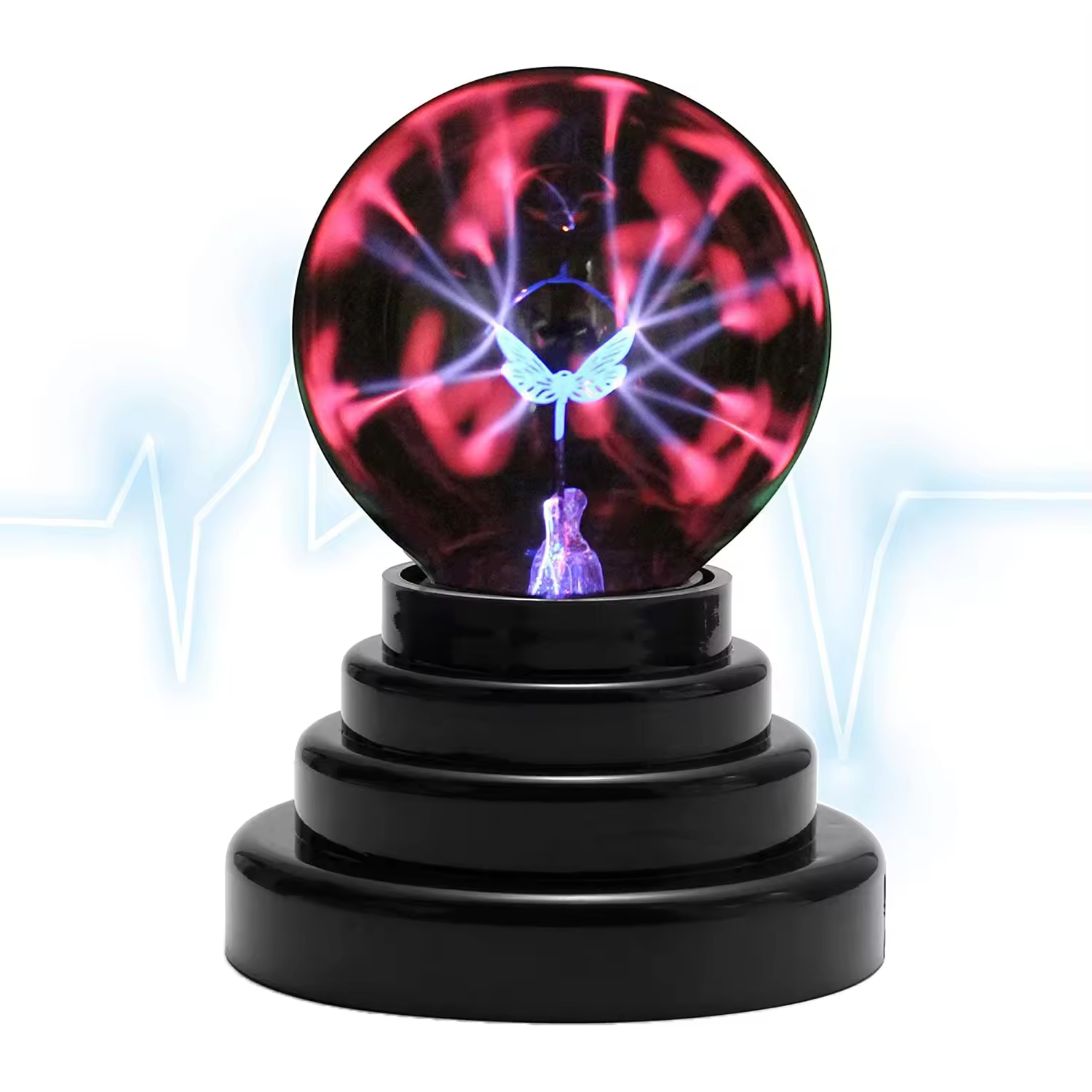
Deciphering the Plasma Ball: Unveiling the Magic of Electrified Gas
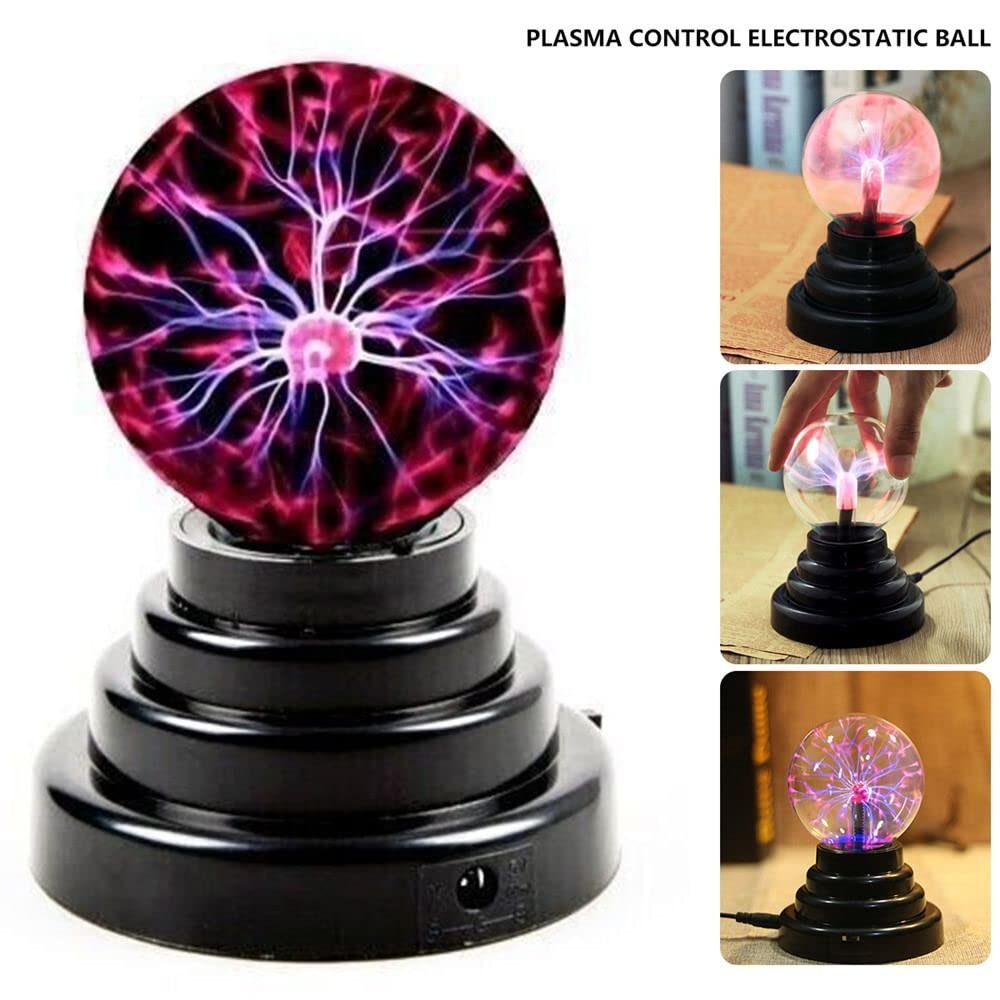
Table of Contents
- Introduction: The Allure of the Plasma Ball
- What Is a Plasma Ball, Exactly?
- The Science Behind the Spark: How Plasma Balls Work
- A Brief History: From Lab Invention to Desktop Decor
- Practical Uses and Safety Tips (With a Nod to Our Past Guide)
- Expert Insights: Why Plasma Balls Matter Beyond Aesthetics
- FAQs: Answering Common Plasma Ball Questions
Introduction: The Allure of the Plasma Ball
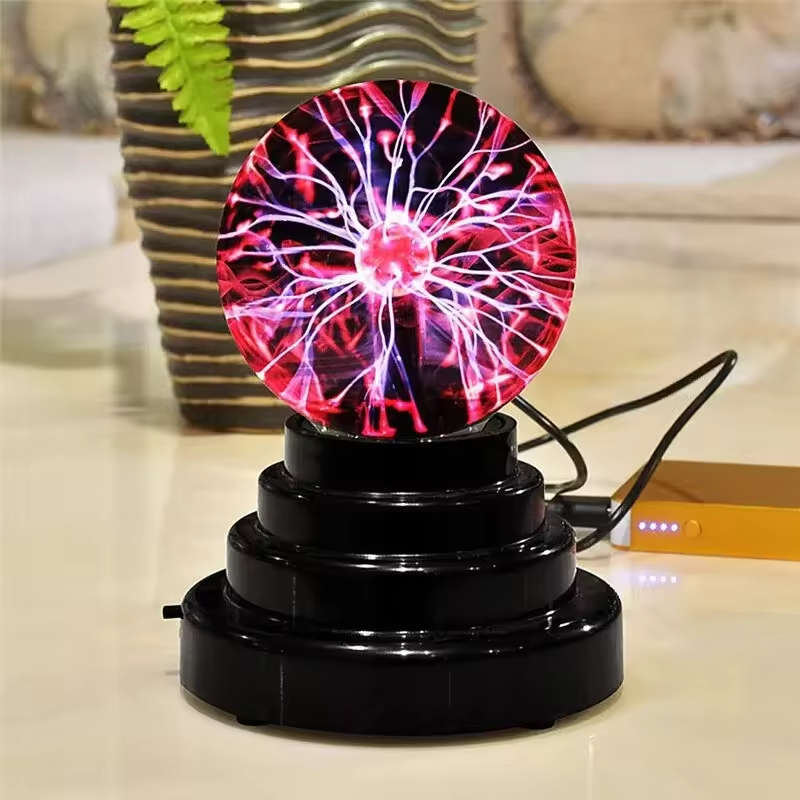
Walk into a science museum gift shop, a trendy café, or even a student’s dorm room, and you’re likely to spot it: a glass orb filled with what looks like dancing lightning. The plasma ball (also called a plasma globe or plasma lamp) has captivated audiences for decades—not just for its mesmerizing glow, but for the science it hides in plain sight. What seems like magic is actually a clever demonstration of plasma, the fourth state of matter, and electromagnetic principles. In this blog, we’ll break down how plasma balls work, their history, and why they’re more than just a decorative item—plus, we’ll tie in lessons from our earlier guide on safe static electricity observation with plasma balls.
What Is a Plasma Ball, Exactly?
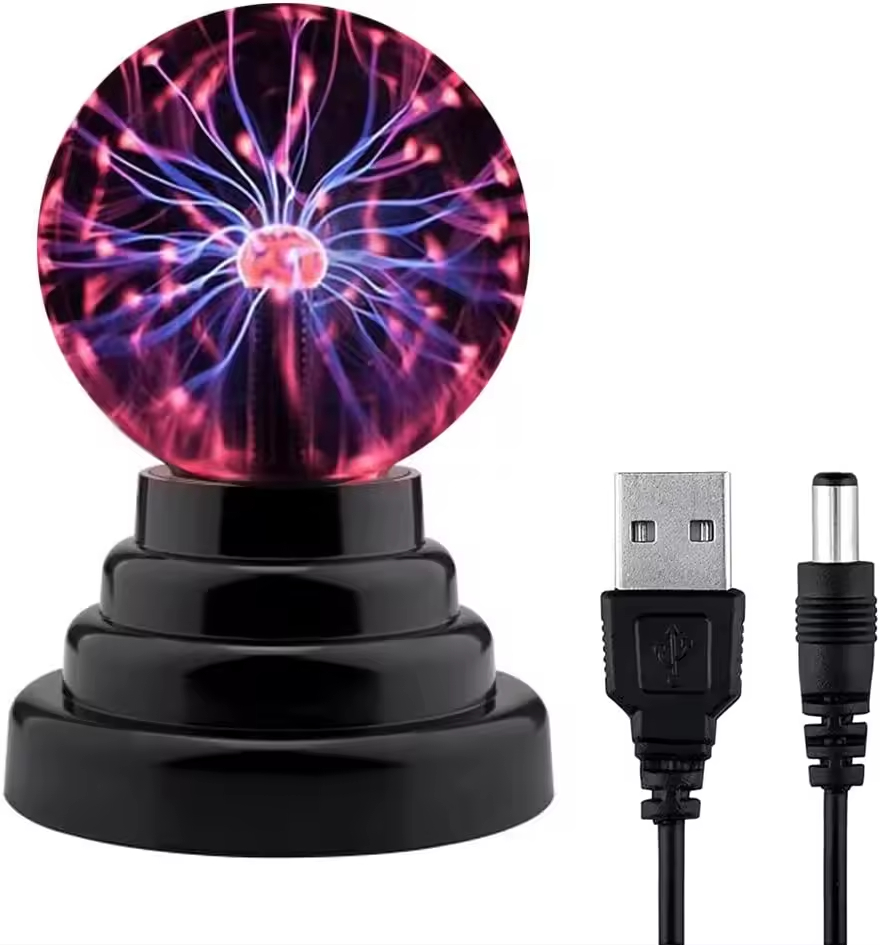
At its core, a plasma ball is a sealed glass sphere filled with a low-pressure noble gas mixture (usually neon, argon, or krypton) and a small metal electrode at its center. When connected to an AC power source (typically 110–240V), the electrode generates a high-frequency, high-voltage electric field. This field ionizes the gas inside the globe, turning it into plasma—the same state of matter found in stars, lightning, and fluorescent bulbs.
The key difference between a plasma ball and natural plasma (like lightning) is control: the globe’s sealed design and low gas pressure let the plasma form gentle, colorful filaments that follow the electric field. These filaments glow brightly—neon produces red or orange, argon gives off blue or purple—making the plasma visible to the naked eye.
The Science Behind the Spark: How Plasma Balls Work
To truly decipher the plasma ball, let’s break down its operation step by step:
- Powering the Electrode: When you plug in the plasma ball, the central electrode receives a high-voltage current (often 2,000–5,000 volts) at a high frequency (around 30–50 kHz). This creates a strong electric field inside the glass sphere.
- Ionization of Gas: The electric field is strong enough to strip electrons from the noble gas atoms, turning them into ions (charged particles). This process—called ionization—transforms the gas into plasma.
- Filament Formation: The ionized plasma carries electric current from the central electrode to the inner surface of the glass globe. Since plasma is a conductor, the current flows in thin, glowing filaments that “reach” toward the glass. These filaments move dynamically because the AC current reverses direction rapidly, shifting the electric field.
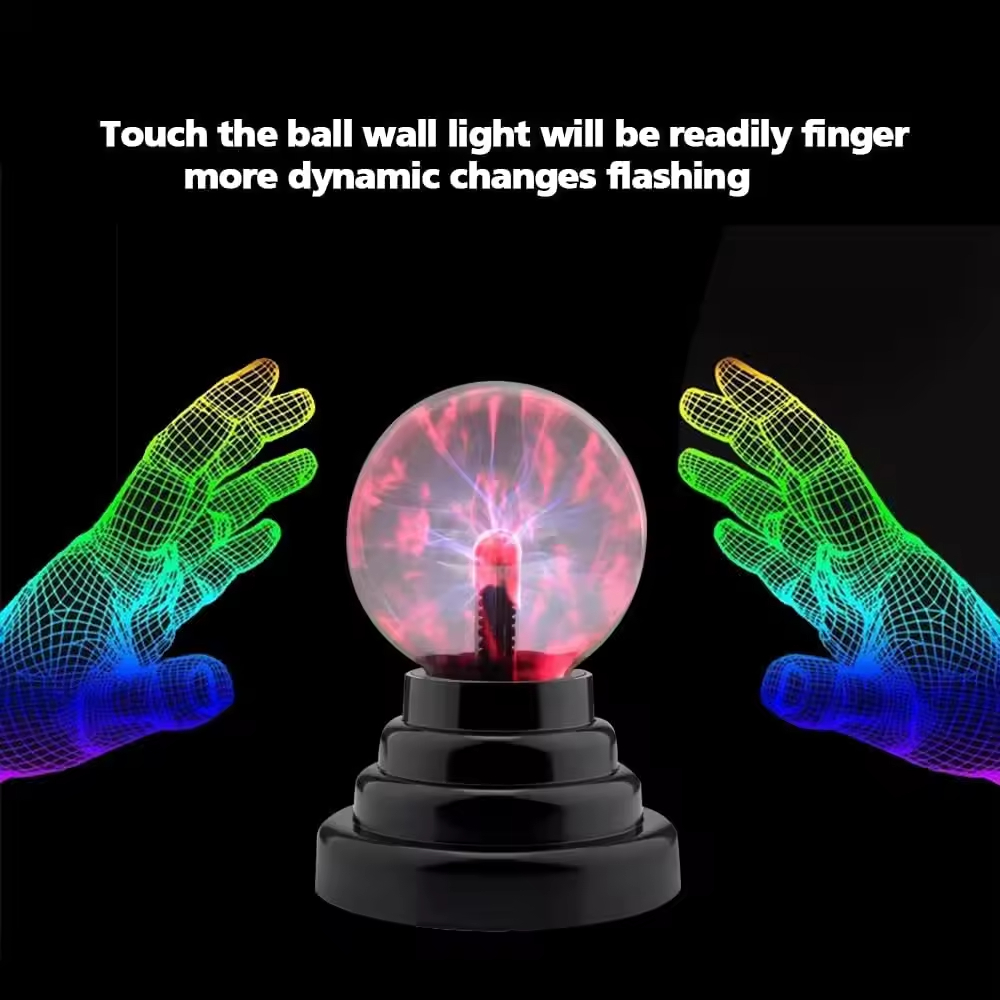
- The “Touch Effect”: A fun quirk of plasma balls is their reaction to touch. When you place your hand on the glass, your body (a conductor) creates a path of lower resistance. The plasma filaments are drawn to your hand, clustering around the point of contact—this is because your body grounds the electric field, guiding the current toward you.
A Brief History: From Lab Invention to Desktop Decor
The plasma ball wasn’t always a popular novelty. Its roots trace back to the early 20th century, when scientists experimented with gas discharge tubes to study plasma.
In 1930, inventor Nikola Tesla (yes, the same visionary behind AC electricity) created the “Tesla coil,” a device that produces high-voltage, high-frequency electricity. While Tesla’s coil wasn’t a plasma ball, it laid the groundwork for ionized gas experiments. Decades later, in the 1970s, engineer Bill Parker refined the design into the modern plasma ball we know today. Parker’s company, Lazer-Tron, marketed the first plasma globes as educational toys and decor, and they quickly gained popularity for their mix of science and visual appeal.
By the 1980s and 1990s, plasma balls became a staple in homes, classrooms, and media—appearing in movies, TV shows, and music videos as a symbol of “futuristic” science. Today, they’re still beloved for their ability to make complex physics feel accessible.
Practical Uses and Safety Tips (With a Nod to Our Past Guide)
Plasma balls are often dismissed as just “toys,” but they have real practical value—especially in education. Teachers use them to demonstrate:
- The four states of matter (solid, liquid, gas, plasma)
- Electromagnetism and conductivity
- Ionization and static electricity
But as with any device involving electricity, safety matters. In our earlier blog, Safe and Close-Range Observation of Static Electricity: Plasma Ball, we emphasized key safety rules—and they’re worth repeating here:
- Never touch the electrode directly: The central electrode carries high voltage, so never attempt to open the globe or touch it.
- Keep away from water and metal: Plasma balls should be used on dry, non-metallic surfaces to avoid short circuits.
- Limit exposure for sensitive groups: People with pacemakers or other electronic medical devices should stay at least 3 feet away, as the electric field may interfere with equipment.
- Avoid prolonged use: While the glass doesn’t get hot, the internal components can overheat if left on for hours.
Following these tips ensures you can enjoy the
Can two people touch the electrostatic plasma ball?
Why Is a Jellyfish Lamp Worth Buying?
Related Article

he global decorative lighting market is changing rapidly. Instead of selling only standard lighting products, more brands, retailers, and distributors are looking for customized lighting solutions that help them create unique products and strengthen their market position.
Why Custom Decorative Lighting Is Becoming a Key Growth Strategy for Global Brands in 2026

Home lighting is no longer just about brightness. In 2026, smart ambient lighting has become an important element of modern interior design, helping people create personalized spaces with color, atmosphere, and visual experiences.
How Smart Ambient Lighting Is Transforming Modern Home Decor in 2026?

Decorative lighting is no longer just about illumination. In 2026, it has become an essential part of interior design, lifestyle branding, and consumer experience. Whether in homes, hotels, retail stores, cafés, or entertainment venues, decorative lighting products are increasingly chosen to create atmosphere, express personality, and enhance living spaces.
How Decorative Lighting Is Evolving in 2026: Trends Buyers Should Know
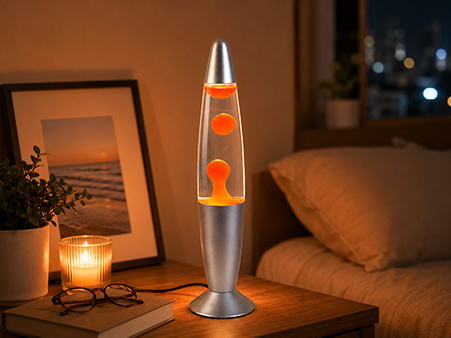
When global B2B buyers and gift shop retailers source commercial lava lamps, identifying manufacturing quality is critical to avoiding product returns and ensuring safety compliance. High-quality commercial lava lamps are defined by three core benchmarks: high-borosilicate scratch-resistant glass, certified non-toxic paraffin wax formulas that prevent cloudiness, and strict thermal safety compliance including CE, RoHS, and UL certifications.
How to Identify High-Quality Motion Lighting for Wholesale