
The Principle of Touching an Electrostatic Sphere: Unveiling the Magic of Plasma Balls
author: Tony
2025-08-18
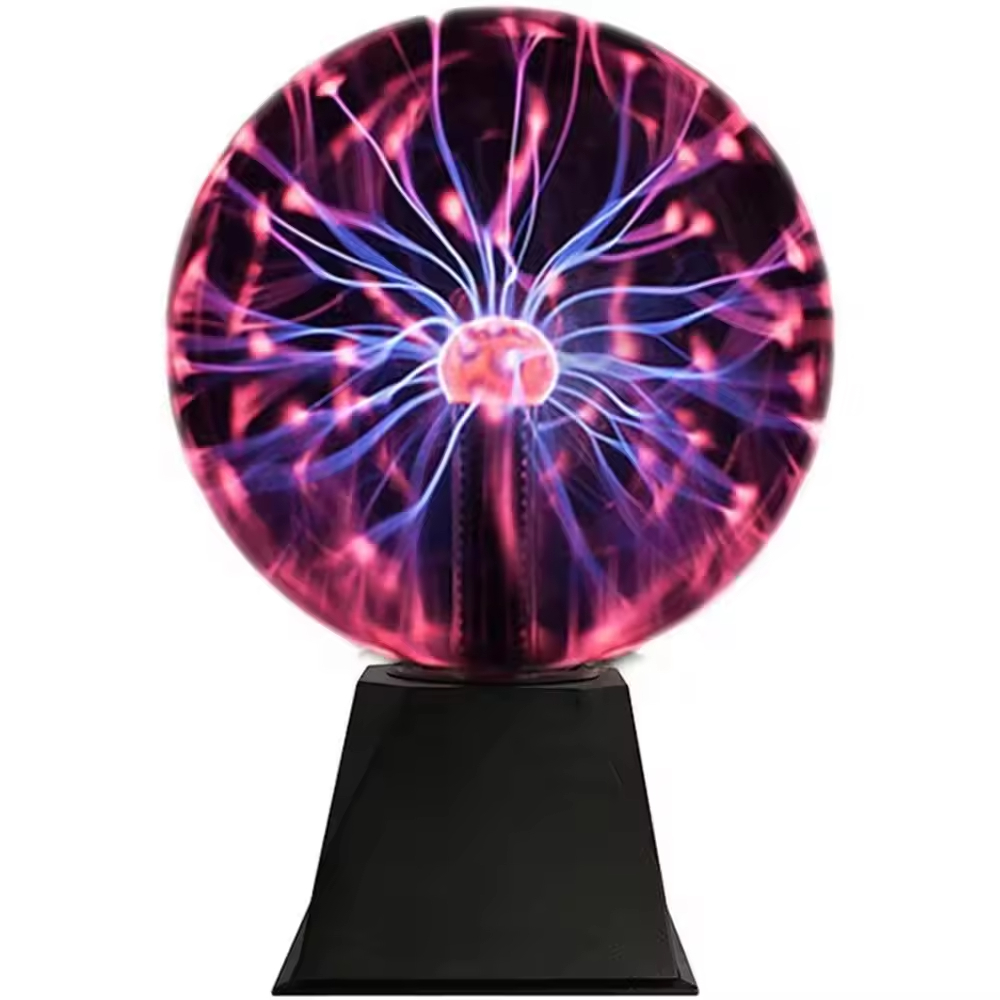
The Principle of Touching an Electrostatic Sphere: Unveiling the Magic of Plasma Balls
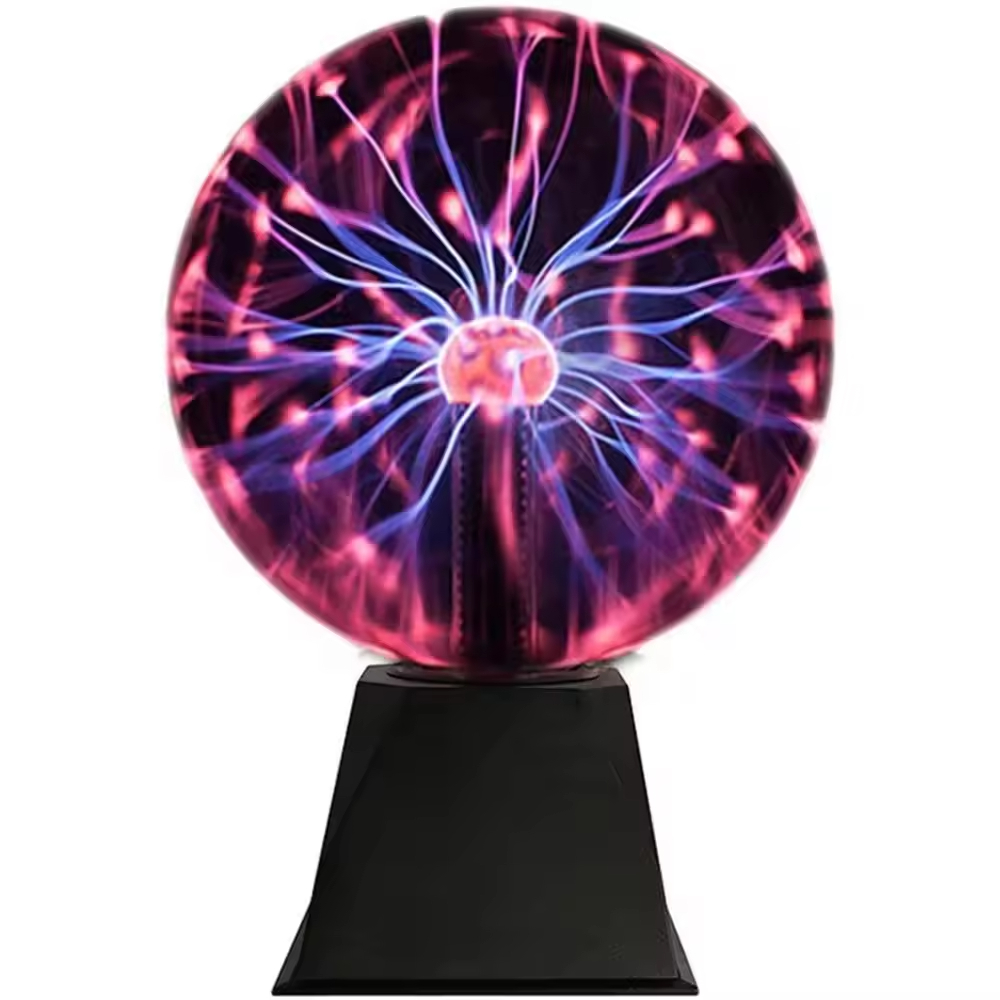
Table of Contents
- Introduction: Why Plasma Balls Make Electrostatics Tangible
- The Science Behind Touching an Electrostatic Sphere (Plasma Ball Principle)
- Core Features of the 3-Inch Plasma Ball (From Our Early Education Blog)
- Universal USB Charger Specifications (For Plasma Balls)
- Comparison: 3-Inch Plasma Ball vs. 6-Inch Plasma Ball
- Expert Insights on Plasma Balls as Science Demonstration Tools
- FAQs: All About Plasma Balls & Electrostatic Principles
- Conclusion: Plasma Balls – The Best Way to Explore Electrostatics
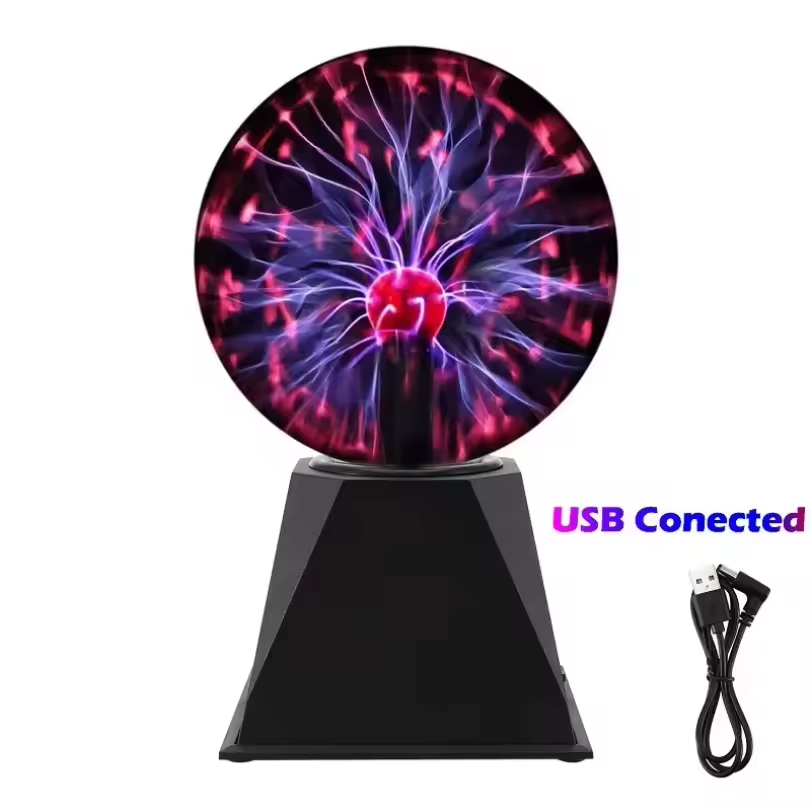
1. Introduction: Why Plasma Balls Make Electrostatics Tangible
Electrostatics can feel abstract—until you touch a plasma ball. Our earlier blog, Children's Early Education Toy: 3-Inch Plasma Ball with Battery, highlighted how this compact device turns science into play for kids. Now, we’re diving deeper into the principle of touching an electrostatic sphere: why plasma filaments follow your fingers, how the science works, and why plasma balls (not just toys) are powerful tools for understanding static electricity. Whether you’re a parent, teacher, or science enthusiast, the plasma ball makes complex physics visible and fun.

2. The Science Behind Touching an Electrostatic Sphere (Plasma Ball Principle)
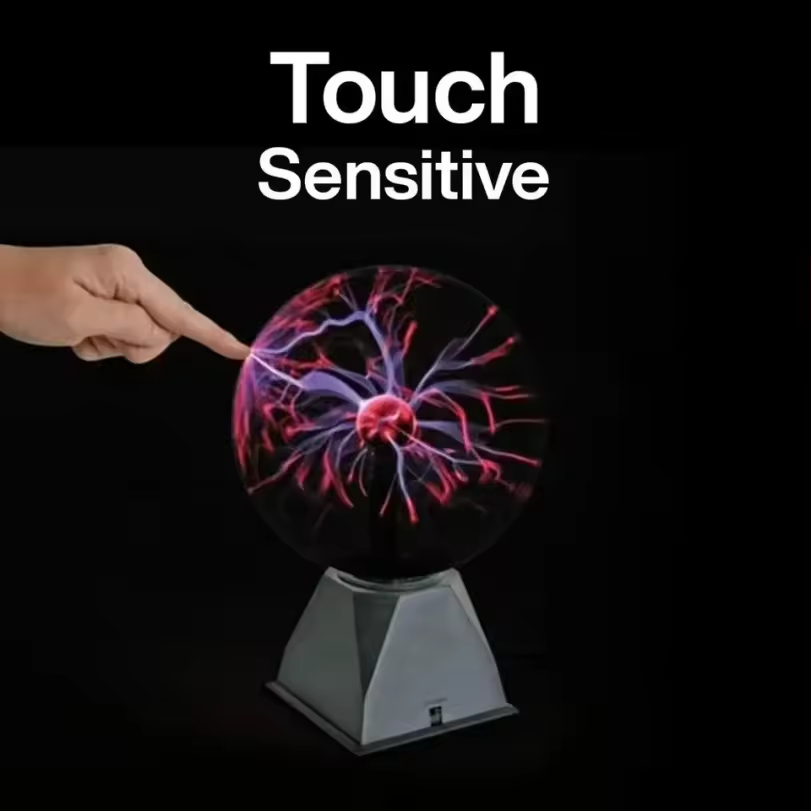
A plasma ball is essentially a sealed glass globe filled with inert gases (usually neon, argon, or xenon) and a metal electrode at its center. Here’s what happens when you touch it:
- Electrostatic Induction: The electrode connects to a high-voltage power source (low current, safe for touch), creating a strong electric field inside the globe. When you place your hand on the glass, your body (a conductor) disrupts this field—pulling the electric charge toward your touch.
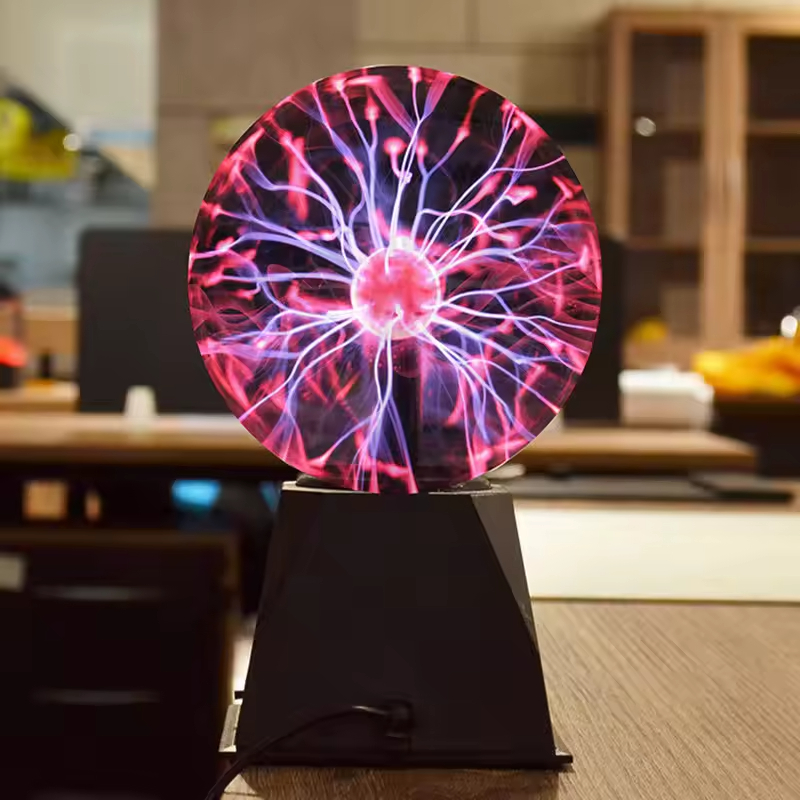
- Plasma Filaments Formation: The high voltage ionizes the inert gases, turning them into plasma (a fourth state of matter). These plasma filaments glow brightly (often purple, pink, or blue) and follow the electric field—so they cluster around your finger, making it look like the “magic” is following your touch.
- Safety First: Despite the high voltage, the low current (usually <1mA) means touching the globe is safe—no shocks, just a fascinating visual of electrostatic forces at work.
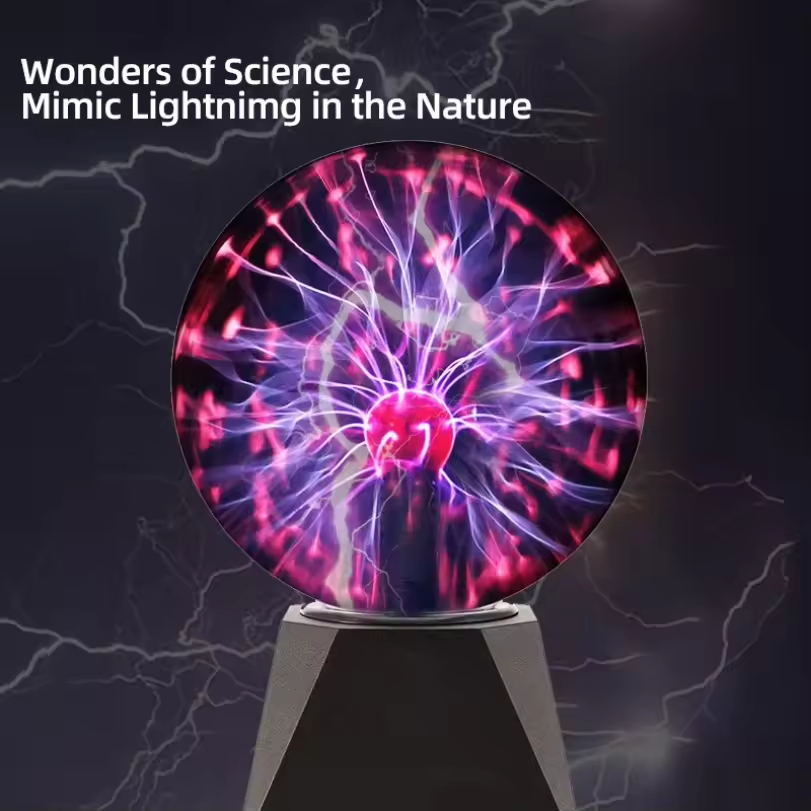
3. Core Features of the 3-Inch Plasma Ball (From Our Early Education Blog)
As we covered in our early education blog, the 3-inch plasma ball stands out for making this science accessible:
- Kid-Safe Design: Sealed glass, low current, and a durable base—perfect for little hands to explore without risk.
- Battery + USB Power: It runs on batteries (for portability) or the included USB charger (see specs below), so you can use it anywhere, from classrooms to living rooms.
- Clear Visuals: Its small size focuses the plasma filaments, making it easy to see how touch affects the electrostatic field—ideal for teaching basic electrostatics.
- Dual Use: More than a demo tool; it doubles as a night light (like the snail lamp we paired with it earlier), blending science and practicality.
4. Universal USB Charger Specifications (For Plasma Balls)
Both 3-inch and 6-inch plasma balls work with this kid-safe, versatile USB charger—designed to keep the science going without hassle:
| Parameter | Specification |
| Input Voltage | 100-240V AC (Global Compatibility) |
| Output Current | 5V/1A (Low-Current, Safe for Plasma Balls) |
| Cable Length | 1.5M (Flexible for Classroom/Home Use) |
| Compatibility | 3-Inch Plasma Ball + 6-Inch Plasma Ball + USB Devices |
| Safety Certifications | CE, FCC, RoHS (Lead-Free, Kid-Safe) |
| Charging Indicator | Red (Charging) / Green (Fully Charged) |
5. Comparison: 3-Inch Plasma Ball vs. 6-Inch Plasma Ball
While both demonstrate electrostatic principles, their differences matter for use case and experience:
| Feature | 3-Inch Plasma Ball (From Early Education Blog) | 6-Inch Plasma Ball |
| Size & Portability | Compact (3-inch) – easy to carry; fits small desks | Large (6-inch) – heavy; needs stable surface |
| Plasma Visuals | Focused filaments – clear for teaching basics | Wider, brighter arcs – more dramatic for demos |
| Power Source | Battery + USB-rechargeable (portable) | Plug-in only (fixed location) |
| Safety for Kids | Low current + small size – ideal for ages 4+ | Safe but bulky – better for ages 8+ (harder to drop) |
| Best For | Home learning, small classrooms, early education | Labs, large classes, adult science displays |
| Pros | - Portable - Dual power - Kid-friendly - Affordable |
- Dramatic visuals - More durable - Longer lifespan |
| Cons | - Less bright arcs - Battery needs recharging |
- Not portable - Higher price - Needs outlet |
6. Expert Insights on Plasma Balls as Science Demonstration Tools
Plasma balls are more than toys—they’re valuable educational tools, says Dr. Leo Evans, a physics educator with 20 years of classroom experience. “Electrostatics is hard to visualize, but plasma balls turn it into a hands-on experience. When a kid touches the globe and sees filaments follow their finger, they’re not just playing—they’re observing electrostatic induction in real time. The 3-inch model (from your early education blog) is brilliant for young learners because its size keeps the focus on the science, not just the glow. Larger 6-inch models are great for demos, but the 3-inch one lets kids take ownership of the experiment.”
He adds, “Unlike static generators (which are bulky and risky), plasma balls are safe, affordable, and make abstract physics click. That’s why I recommend them for both home and classroom use.”
7. FAQs: All About Plasma Balls & Electrostatic Principles
Q1: Why do plasma filaments follow my finger when I touch the globe?
A1: Your hand is a conductor—when you touch the glass, it disrupts the plasma ball’s electric field, pulling plasma filaments toward your finger (electrostatic induction in action).
Q2: Is touching a plasma ball safe for kids?
A2: Yes! Plasma balls use high voltage but low current (<1mA)—no shocks. The 3-inch model (from our early education blog) is tested for kids ages 4+.
Q3: How long does the 3-inch plasma ball’s battery last?
A3: It lasts 2-3 hours on full charge (use the included USB charger for a 2-hour recharge).
Q4: Can a plasma ball help teach older kids advanced electrostatics?
A4: Absolutely! For teens, it demonstrates ionization and electric field dynamics—pair a 6-inch model with textbooks for deeper learning.
Q5: Which size is better for a home with young kids?
A5: The 3-inch model (from our early education blog) – it’s portable, kid-safe, and perfect for teaching basics without the bulk of a 6-inch globe.
A1: Your hand is a conductor—when you touch the glass, it disrupts the plasma ball’s electric field, pulling plasma filaments toward your finger (electrostatic induction in action).
Q2: Is touching a plasma ball safe for kids?
A2: Yes! Plasma balls use high voltage but low current (<1mA)—no shocks. The 3-inch model (from our early education blog) is tested for kids ages 4+.
Q3: How long does the 3-inch plasma ball’s battery last?
A3: It lasts 2-3 hours on full charge (use the included USB charger for a 2-hour recharge).
Q4: Can a plasma ball help teach older kids advanced electrostatics?
A4: Absolutely! For teens, it demonstrates ionization and electric field dynamics—pair a 6-inch model with textbooks for deeper learning.
Q5: Which size is better for a home with young kids?
A5: The 3-inch model (from our early education blog) – it’s portable, kid-safe, and perfect for teaching basics without the bulk of a 6-inch globe.
8. Conclusion: Plasma Balls – The Best Way to Explore Electrostatics
The principle of touching an electrostatic sphere becomes magical with a plasma ball—turning abstract science into a hands-on experience. Whether you choose the 3-inch model (ideal for early education, as we covered earlier) or the 6-inch one (great for dramatic demos), both let you observe electrostatic induction, plasma formation, and electric fields in real time. With the included universal USB charger, you can keep the science going anywhere. If you loved our Children's Early Education Toy: 3-Inch Plasma Ball with Battery blog, this deep dive into its 原理 (principle) will help you get even more value from this fantastic tool. For learning, teaching, or just marveling at physics—plasma balls are unbeatable.
The must-have item for creating a cozy atmosphere in your new home: Corner Floor Lamp
Children's early education toy: 3-inch electrostatic ball with battery
Related Article

he global decorative lighting market is changing rapidly. Instead of selling only standard lighting products, more brands, retailers, and distributors are looking for customized lighting solutions that help them create unique products and strengthen their market position.
Why Custom Decorative Lighting Is Becoming a Key Growth Strategy for Global Brands in 2026

Home lighting is no longer just about brightness. In 2026, smart ambient lighting has become an important element of modern interior design, helping people create personalized spaces with color, atmosphere, and visual experiences.
How Smart Ambient Lighting Is Transforming Modern Home Decor in 2026?

Decorative lighting is no longer just about illumination. In 2026, it has become an essential part of interior design, lifestyle branding, and consumer experience. Whether in homes, hotels, retail stores, cafés, or entertainment venues, decorative lighting products are increasingly chosen to create atmosphere, express personality, and enhance living spaces.
How Decorative Lighting Is Evolving in 2026: Trends Buyers Should Know
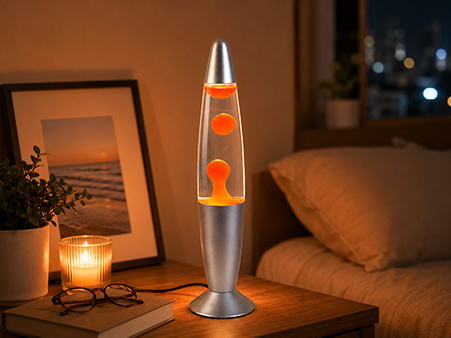
When global B2B buyers and gift shop retailers source commercial lava lamps, identifying manufacturing quality is critical to avoiding product returns and ensuring safety compliance. High-quality commercial lava lamps are defined by three core benchmarks: high-borosilicate scratch-resistant glass, certified non-toxic paraffin wax formulas that prevent cloudiness, and strict thermal safety compliance including CE, RoHS, and UL certifications.
How to Identify High-Quality Motion Lighting for Wholesale