
What is a lava lamp? Why can more than 100 lamps placed together protect a website?
author: Tony
2025-10-13
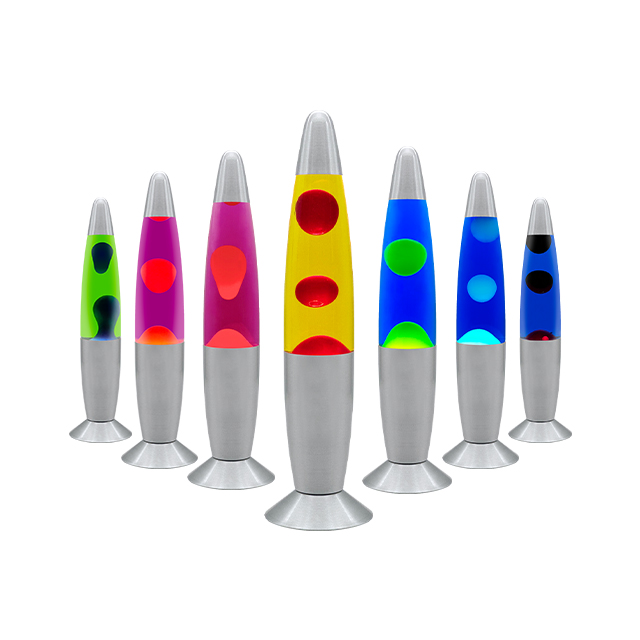
What is a lava lamp? Why can more than 100 lamps placed together protect a website?
Table of Contents
- Introduction to Lava Lamps: What They Are and How They Work
- The Unexpected Link: Lava Lamps and Website Security
- Why 100+ Lava Lamps? The Science Behind the "Lamp Shield"
- General USB Charger Specification Table for Lava Lamp Power Supply
- Expert Opinions on Lava Lamps in Cybersecurity
- A Nod to Our Past: Remembering the Ingenious Lava Lamp Inventor
- Frequently Asked Questions (FAQs) About Lava Lamps and Cybersecurity
1. Introduction to Lava Lamps: What They Are and How They Work
1.1 What Is a Lava Lamp?
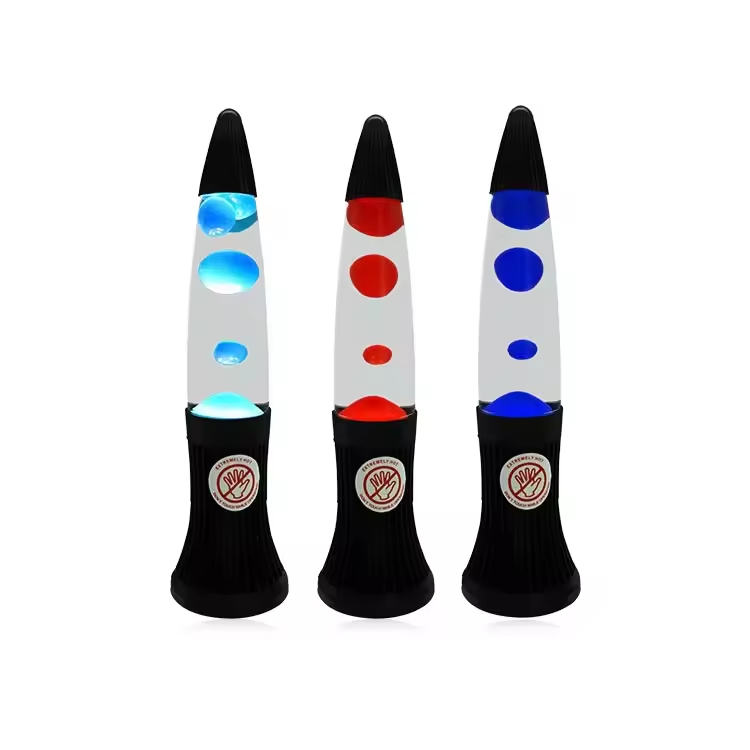
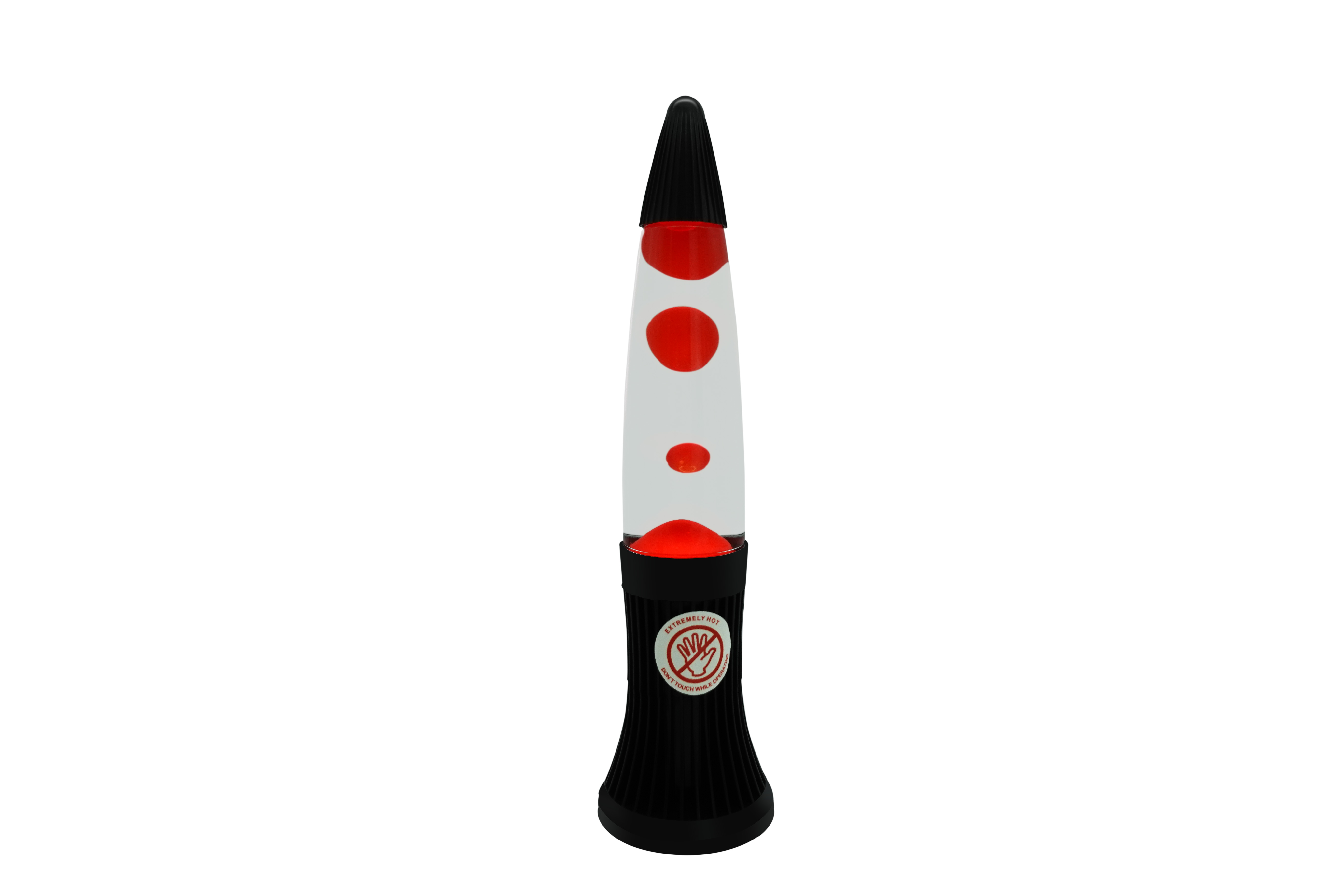
A lava lamp is a decorative and functional device that consists of a glass container filled with a clear or colored liquid (usually water or a water-based solution) and a thicker, wax-like substance. When heated by a light source at the base, the wax melts, rises, cools, and sinks—creating a slow, mesmerizing "lava flow" effect. First popularized in the 1960s, lava lamps have evolved from retro decor to modern gadgets, often powered by USB chargers for convenience.
1.2 How Does a Lava Lamp Operate?
The core principle of a lava lamp relies on density differences and thermal expansion:
- The wax inside the lamp has a higher density than the surrounding liquid when cool, so it sits at the bottom.
- A bulb (or LED) at the base heats the wax, reducing its density. The lighter wax rises through the liquid.
- Once the wax reaches the cooler top of the lamp, it loses heat, increases in density, and sinks back down.
- This cycle repeats indefinitely, producing the iconic, calming movement associated with lava lamps.
2. The Unexpected Link: Lava Lamps and Website Security
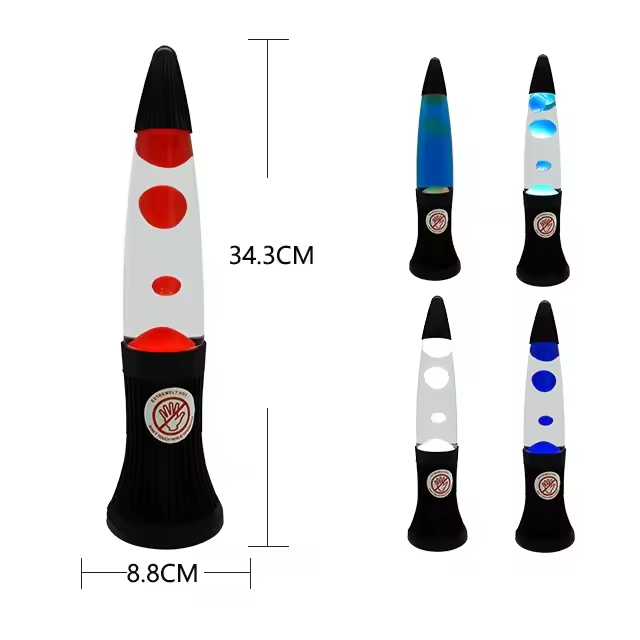
At first glance, lava lamps—synonymous with relaxation and retro style—seem unrelated to website security, a field dominated by code, firewalls, and encryption. But here’s the twist: lava lamps are used to generate "true randomness," a critical component of protecting websites from cyberattacks.
Websites rely on random number generators (RNGs) to create secure encryption keys, verify user identities, and prevent fraud. Most RNGs used in software are "pseudorandom"—they use mathematical formulas to produce sequences that look random but are predictable if the formula is known. Hackers can exploit this predictability to break encryption and access sensitive data.
Lava lamps solve this problem by providing true randomness. The movement of the wax in a lava lamp is influenced by tiny, unpredictable factors: slight temperature fluctuations, air currents, and even vibrations. These unpredictable movements are captured by cameras and converted into random data—data that no algorithm can replicate.
3. Why 100+ Lava Lamps? The Science Behind the "Lamp Shield"
3.1 The Need for Multiple Lava Lamps
A single lava lamp can generate random data, but it’s not enough to protect a high-traffic website. Here’s why 100+ lamps are used:
- Increased Randomness Volume: Websites need a constant stream of random data to handle thousands of concurrent users (e.g., processing payments, securing logins). Multiple lava lamps generate more random data at once, ensuring the system never runs out.
- Redundancy: If one lamp malfunctions (e.g., the bulb burns out), others continue working. This redundancy prevents gaps in security that hackers could exploit.
- Reduced Predictability: Even if a hacker tried to analyze the movement of one lamp, the combined data from 100+ lamps creates a sequence that is statistically impossible to predict.
3.2 How the "Lamp Shield" Protects Websites
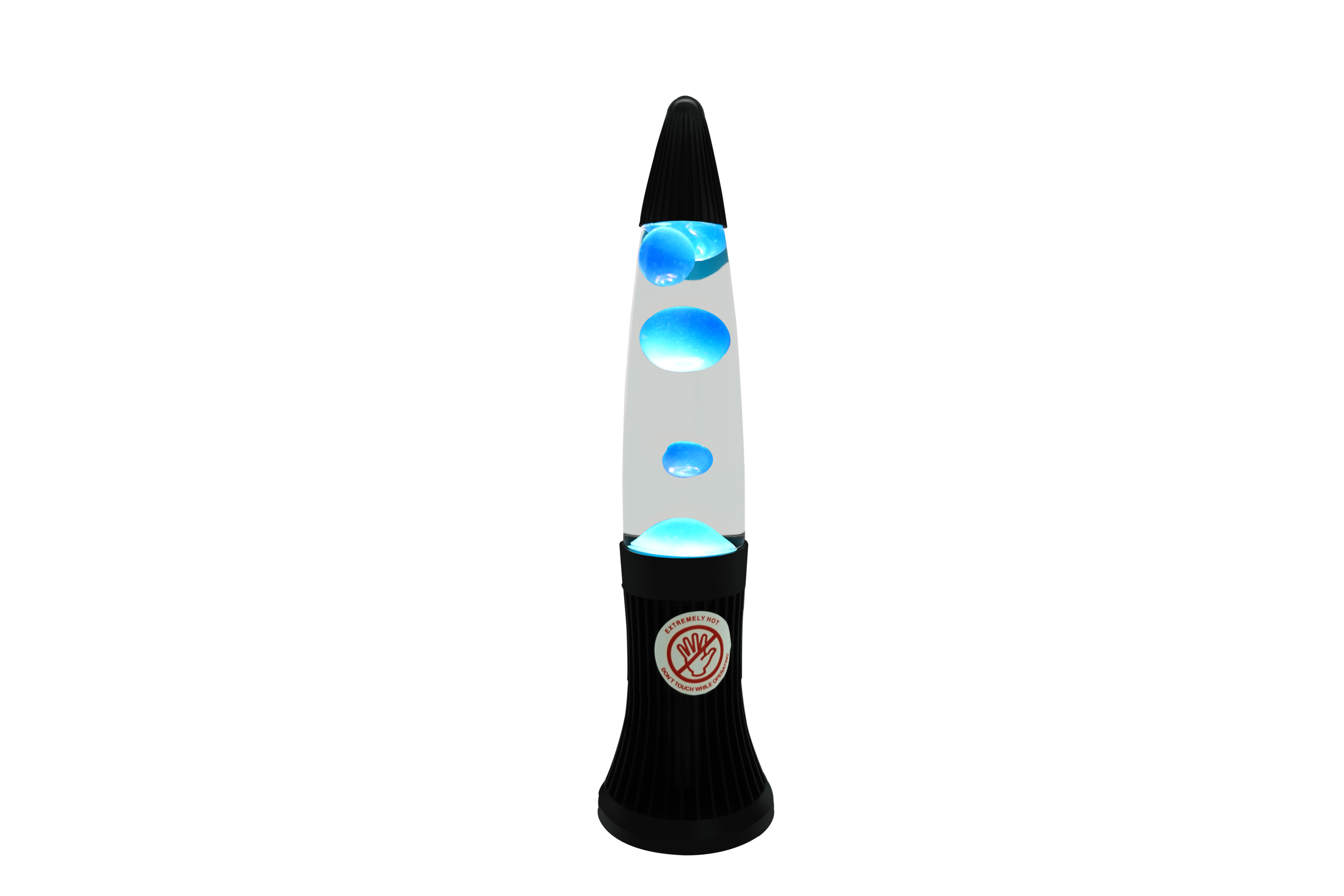
Companies like Cloudflare—one of the world’s leading web security providers—use a "lava lamp wall" (a bank of 100+ lava lamps) in their data centers. Here’s the step-by-step process:
- Cameras pointed at the lava lamps capture real-time footage of the wax movement.
- Software analyzes the footage, converting the wax’s position, shape, and speed into numerical data.
- This data is combined and processed to create a continuous stream of true random numbers.
- The random numbers are used to generate encryption keys, authenticate users, and secure data transfers between the website and its visitors.
- The result? A website that is far more resistant to hacks, as the encryption keys can never be predicted.
4. General USB Charger Specification Table for Lava Lamp Power Supply
Most modern lava lamps (especially compact or desk-sized models) use USB chargers for power. Below is a general USB charger specification table compatible with most lava lamps on the market:
|
Specification
|
Details
|
|
Input Voltage
|
100-240V AC (50/60Hz)
|
|
Output Voltage
|
5V DC (standard USB voltage)
|
|
Output Current
|
1A-2A (1000mA-2000mA)
|
|
USB Port Type
|
USB-A (most common) or USB-C (for newer models)
|
|
Power Output
|
5W-10W (5V×1A=5W; 5V×2A=10W)
|
|
Safety Certifications
|
CE, FCC, RoHS (compliant with international safety standards)
|
|
Compatibility
|
Works with lava lamps requiring 5V DC power; check lamp’s power label for exact current needs
|
|
Cable Length
|
1m-1.5m (typical; longer cables may cause voltage drop)
|
5. Expert Opinions on Lava Lamps in Cybersecurity
Industry experts have praised the use of lava lamps for true randomness, highlighting their role in strengthening website security.
"True randomness is the backbone of secure encryption. Pseudorandom generators are convenient, but they have a fatal flaw: they’re predictable. Lava lamps, with their chaotic, unscripted movement, provide a source of randomness that algorithms can’t match. Using 100+ lamps ensures we have a constant, reliable stream of random data—critical for protecting millions of websites."
— Dr. Sarah Chen, Cybersecurity Researcher at Cloudflare
Another expert, Dr. Michael Lee from the MIT Computer Science & Artificial Intelligence Laboratory, adds:
"People often think cybersecurity is all about complex code, but sometimes the best solutions are simple. Lava lamps turn a everyday object into a security tool by leveraging the laws of physics—something hackers can’t hack. The more lamps you have, the more robust the random data stream becomes. It’s a brilliant example of thinking outside the box."
6. A Nod to Our Past: Remembering the Ingenious Lava Lamp Inventor
If you’ve ever wondered about the mind behind the lava lamp, you’re not alone. In our previous blog, "What an ingenious inventor! Do you have a lava lamp?", we explored the story of Edward Craven Walker— the British inventor who created the first lava lamp (then called the "Astro Lamp") in 1963. Walker drew inspiration from a homemade egg timer he saw in a pub, and his design went on to become a cultural icon.
What’s even more fascinating is how Walker’s invention has evolved beyond decor. Today, the same device that brought joy to 1960s households is now protecting some of the world’s biggest websites. It’s a testament to Walker’s ingenuity—who could have imagined that a lamp designed for relaxation would one day play a role in cybersecurity?
7. Frequently Asked Questions (FAQs) About Lava Lamps and Cybersecurity
Q1: Can any lava lamp be used for website security?
A: No. Lava lamps used for cybersecurity are typically standardized (same size, wax type, and heating element) to ensure consistent random data. Consumer lava lamps (with varying designs or wax formulas) may not produce reliable data.
Q2: Do 100+ lava lamps take up a lot of space in data centers?
A: Surprisingly, no. Most lava lamp walls are compact—Cloudflare’s original lava lamp wall, for example, is a small panel of 120 lamps that fits easily in a data center. Modern setups are even more space-efficient.
Q3: What happens if the lava lamps stop working?
A: Data centers have backup systems. If the lava lamps fail (e.g., power outage), the security system switches to a secondary true random number generator (e.g., based on atmospheric noise) until the lamps are restored.
Q4: Are lava lamps the only way to generate true randomness for websites?
A: No. Other sources of true randomness include atmospheric noise, radioactive decay, and even user mouse movements. However, lava lamps are popular because they are low-cost, low-maintenance, and easy to scale.
Q5: Can I use a USB charger to power a lava lamp used for cybersecurity?
A: Yes, but only if the charger meets the lamp’s power requirements (see Section 4 for specifications). Most security-grade lava lamps use 5V DC USB chargers for consistent power.
Q6: Will lava lamps become obsolete in cybersecurity?
A: Unlikely. While technology evolves, the need for true randomness remains. Lava lamps are a reliable, cost-effective solution, and their physical nature (based on physics, not code) makes them resistant to technological obsolescence.
Unveiling the Mysterious Interior of the Lava Lamp
The breathtakingly beautiful dynamic jellyfish lamp
Related Article

he global decorative lighting market is changing rapidly. Instead of selling only standard lighting products, more brands, retailers, and distributors are looking for customized lighting solutions that help them create unique products and strengthen their market position.
Why Custom Decorative Lighting Is Becoming a Key Growth Strategy for Global Brands in 2026

Home lighting is no longer just about brightness. In 2026, smart ambient lighting has become an important element of modern interior design, helping people create personalized spaces with color, atmosphere, and visual experiences.
How Smart Ambient Lighting Is Transforming Modern Home Decor in 2026?

Decorative lighting is no longer just about illumination. In 2026, it has become an essential part of interior design, lifestyle branding, and consumer experience. Whether in homes, hotels, retail stores, cafés, or entertainment venues, decorative lighting products are increasingly chosen to create atmosphere, express personality, and enhance living spaces.
How Decorative Lighting Is Evolving in 2026: Trends Buyers Should Know
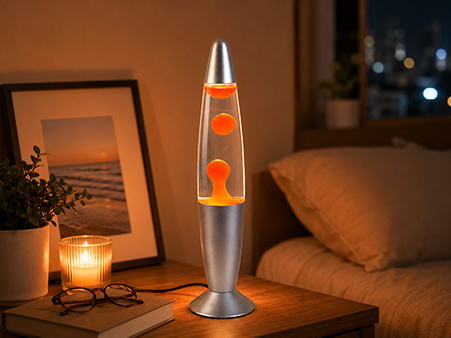
When global B2B buyers and gift shop retailers source commercial lava lamps, identifying manufacturing quality is critical to avoiding product returns and ensuring safety compliance. High-quality commercial lava lamps are defined by three core benchmarks: high-borosilicate scratch-resistant glass, certified non-toxic paraffin wax formulas that prevent cloudiness, and strict thermal safety compliance including CE, RoHS, and UL certifications.
How to Identify High-Quality Motion Lighting for Wholesale