
What an ingenious inventor! Do you have a lava lamp?
author: Tony
2025-09-20
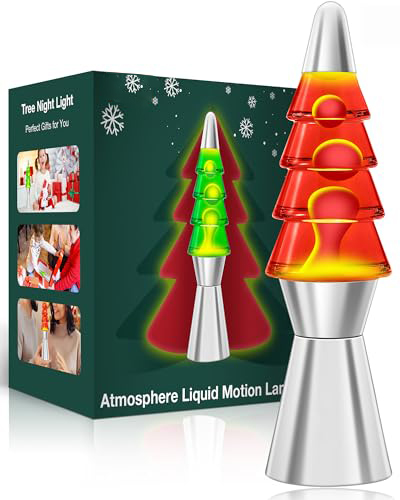
What an ingenious inventor! Do you have a lava lamp?

Table of Contents
- The Ingenious Mind Behind the Lava Lamp
- What Makes a Lava Lamp Tick?
- The Timeless Charm of Lava Lamps
- Expert Perspectives on Lava Lamp Appeal
- Lava Lamps: Beyond the Basics (A Nod to Our Previous Blog)
- FAQs About Lava Lamps

1. The Ingenious Mind Behind the Lava Lamp
When we marvel at the slow, hypnotic dance of blobs in a lava lamp, we owe a debt to Edward Craven Walker—the British inventor who brought this iconic piece of decor to life in 1963. Walker drew inspiration from a peculiar egg timer he saw in a pub, which used a mixture of oil and water. Recognizing its visual potential, he spent years refining the formula, swapping water for a special wax and oil combination that would rise and fall with heat. His ingenuity didn’t just create a light source; it birthed a cultural phenomenon that has endured for over six decades.

2. What Makes a Lava Lamp Tick?
At first glance, a lava lamp seems almost magical, but its operation relies on simple yet precise science. Here’s the breakdown of its key components and how they work:
- Glass Vessel: A sealed container that holds the lamp’s core ingredients.
- Wax Blobs: A specially formulated paraffin-based wax that’s denser than oil at room temperature.
- Colored Oil: A clear or tinted mineral oil that acts as the medium for the wax.
- Heating Element: Usually a small light bulb at the base. When turned on, it heats the wax, reducing its density. Once the wax becomes less dense than the oil, it rises to the top. As it cools there, its density increases again, causing it to sink back down. This cycle repeats indefinitely, creating the lamp’s signature “lava” movement.

3. The Timeless Charm of Lava Lamps
Why does this 60-year-old invention still captivate us? For one, it’s a visual stress reliever. The slow, predictable motion of the blobs has a calming effect, making lava lamps popular in bedrooms, home offices, and even therapy spaces. They also serve as a nostalgic throwback to the 1960s and 1970s, evoking memories of retro decor and counterculture. Yet, they’re not just for nostalgia—modern designers have reimagined lava lamps in sleek shapes and bold colors, making them relevant for contemporary interiors too.

4. Expert Perspectives on Lava Lamp Appeal
Dr. Elena Marquez, a psychologist specializing in environmental design, explains the enduring allure: “Lava lamps tap into our innate love for rhythmic, unthreatening motion. In a world filled with fast-paced digital stimuli, their slow movement provides a rare moment of visual rest. It’s a form of passive relaxation that doesn’t require effort, which is why they remain popular across age groups.”
John Harrison, a vintage lighting collector and expert, adds: “Walker’s genius was in balancing simplicity and spectacle. The lava lamp has no complicated parts, yet it creates a display that feels almost alive. That combination of accessibility and wonder is what makes it a design classic.”
5. Lava Lamps: Beyond the Basics (A Nod to Our Previous Blog)
In our earlier post, Lava Lamps: More Than Just a Groovy Light Source, we delved deeper into the cultural impact of these lamps—from their role in 1960s pop art to their appearances in movies and music videos. We also explored lesser-known facts, such as how NASA once studied the lamp’s movement to understand fluid dynamics in microgravity. If you’re curious about the richer history and unexpected uses of lava lamps, that blog is a must-read.

6. FAQs About Lava Lamps
Q1: How long does it take for a lava lamp to start working?
A: Most lava lamps take 20-30 minutes to heat up and begin the rising-sinking cycle. It’s important to let it warm up fully—moving or shaking it during this time can disrupt the wax and oil separation.
Q2: Can I add extra oil or wax to my lava lamp if it stops working?
A: No, you should never open the sealed vessel. Lava lamps are calibrated with specific amounts of wax and oil. Adding more can break the balance and ruin the lamp. If it stops working, check the bulb first (it may need replacement) or contact the manufacturer.
Q3: Are lava lamps safe for children?
A: Lava lamps get hot at the base, so they should be placed out of reach of young children to prevent burns. Also, the glass vessel is fragile, so it’s best to handle it with care.
Q4: How long do lava lamps last?
A: With proper care (avoiding extreme temperatures and frequent on-off cycles), a quality lava lamp can last 10-20 years. The wax may eventually lose its ability to flow smoothly, but this is rare with well-made models.
Q5: Can I use a higher-wattage bulb to make the lava move faster?
A: Absolutely not. Using a bulb with more watts than recommended can overheat the wax, causing it to break into small droplets or even crack the glass. Always use the bulb wattage specified by the manufacturer.
Unveiling Fiber Optic Lamps: The New Favorite of Children's Toys
Lava Lamps: More Than Just a Groovy Light Source
Related Article

he global decorative lighting market is changing rapidly. Instead of selling only standard lighting products, more brands, retailers, and distributors are looking for customized lighting solutions that help them create unique products and strengthen their market position.
Why Custom Decorative Lighting Is Becoming a Key Growth Strategy for Global Brands in 2026

Home lighting is no longer just about brightness. In 2026, smart ambient lighting has become an important element of modern interior design, helping people create personalized spaces with color, atmosphere, and visual experiences.
How Smart Ambient Lighting Is Transforming Modern Home Decor in 2026?

Decorative lighting is no longer just about illumination. In 2026, it has become an essential part of interior design, lifestyle branding, and consumer experience. Whether in homes, hotels, retail stores, cafés, or entertainment venues, decorative lighting products are increasingly chosen to create atmosphere, express personality, and enhance living spaces.
How Decorative Lighting Is Evolving in 2026: Trends Buyers Should Know
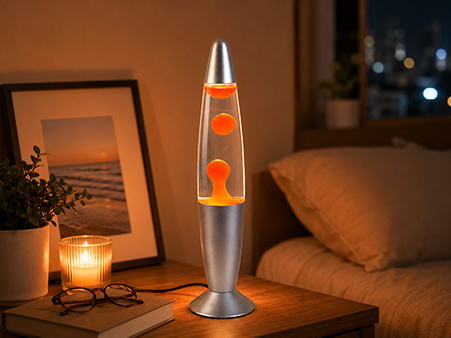
When global B2B buyers and gift shop retailers source commercial lava lamps, identifying manufacturing quality is critical to avoiding product returns and ensuring safety compliance. High-quality commercial lava lamps are defined by three core benchmarks: high-borosilicate scratch-resistant glass, certified non-toxic paraffin wax formulas that prevent cloudiness, and strict thermal safety compliance including CE, RoHS, and UL certifications.
How to Identify High-Quality Motion Lighting for Wholesale