
Can two people touch the electrostatic plasma ball?
author: Tony
2025-09-15
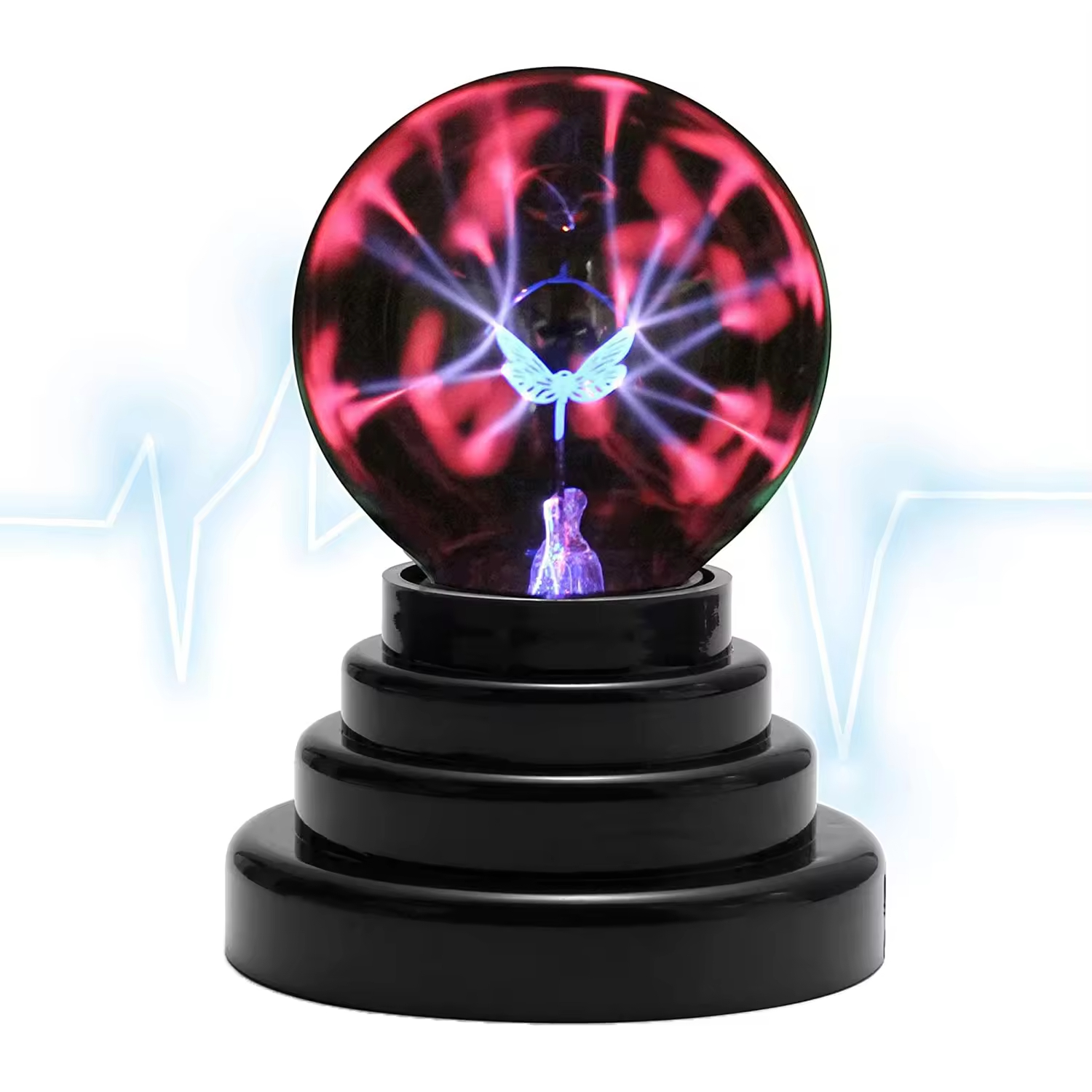
Can Two People Touch the Electrostatic Plasma Ball?
The electrostatic plasma ball—with its swirling, neon-like tendrils that reach toward your touch—has fascinated both kids and adults for decades. But one question often pops up: Is it safe for two people to touch it at the same time? Let’s dive into the science, safety, and fun of sharing a plasma ball experience.

Table of Contents
- First: What Even Is an Electrostatic Plasma Ball?
- Can Two People Touch a Plasma Ball Together? The Short Answer
- The Science Behind Shared Plasma Ball Touches
- Expert Insights: Is It Safe for Two People?
- How to Enjoy a Plasma Ball With Others (The Right Way)
- FAQs About Plasma Balls & Shared Touches
- For More Plasma Ball Science: Check Our Previous Guide
1. First: What Even Is an Electrostatic Plasma Ball?
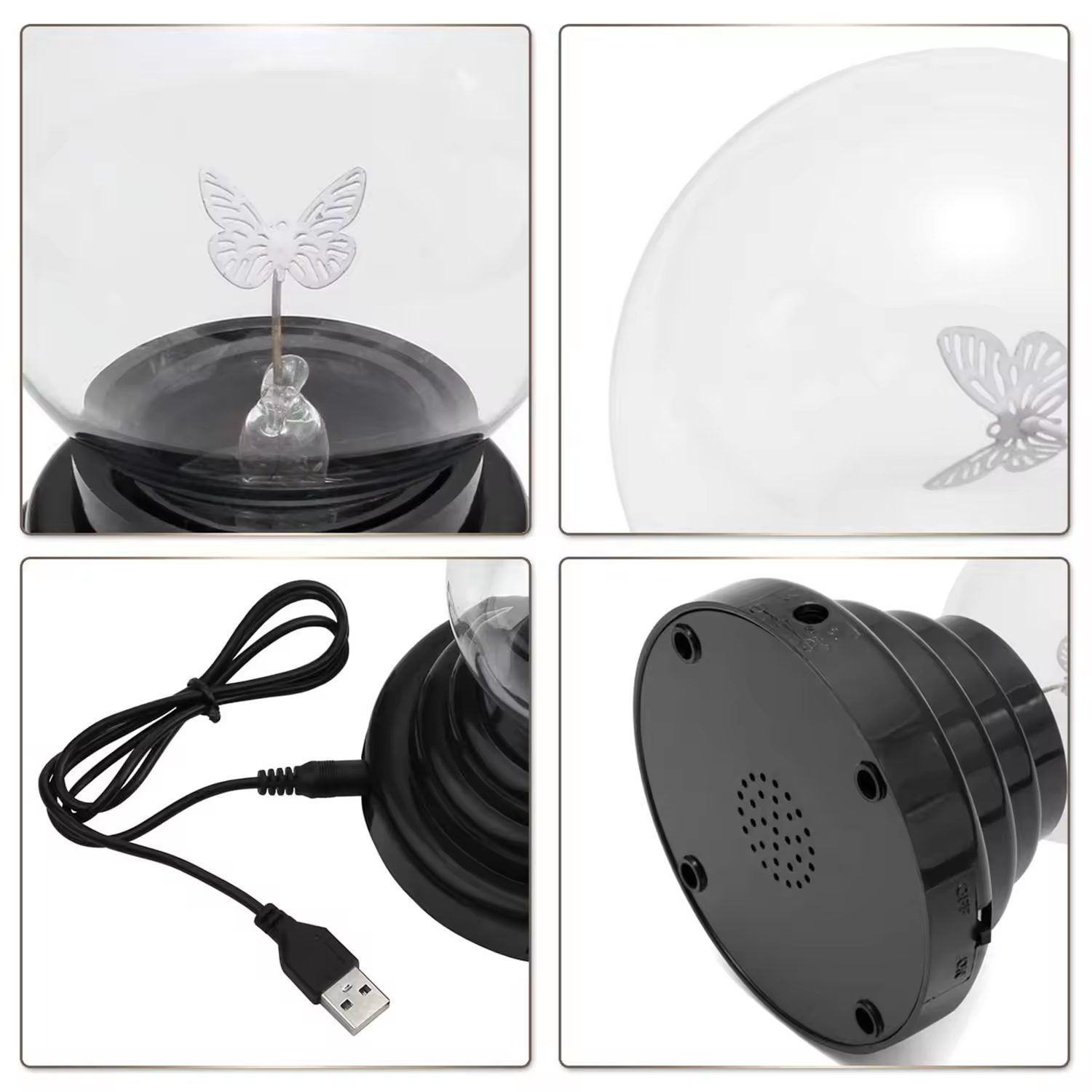
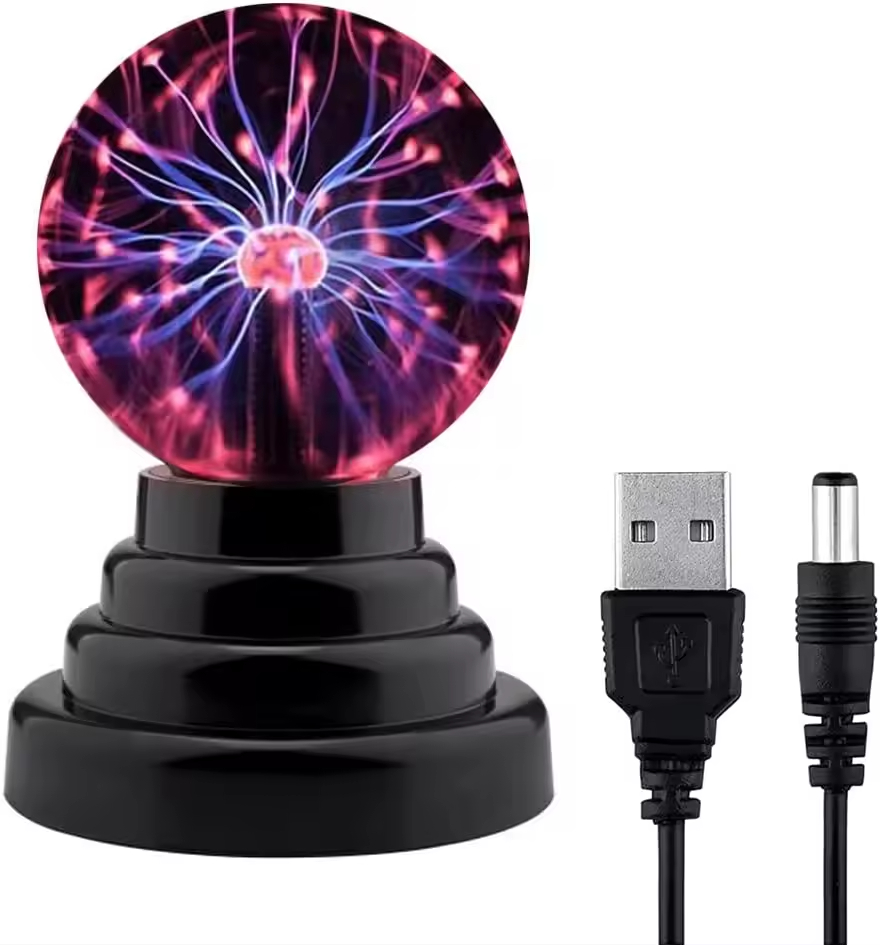
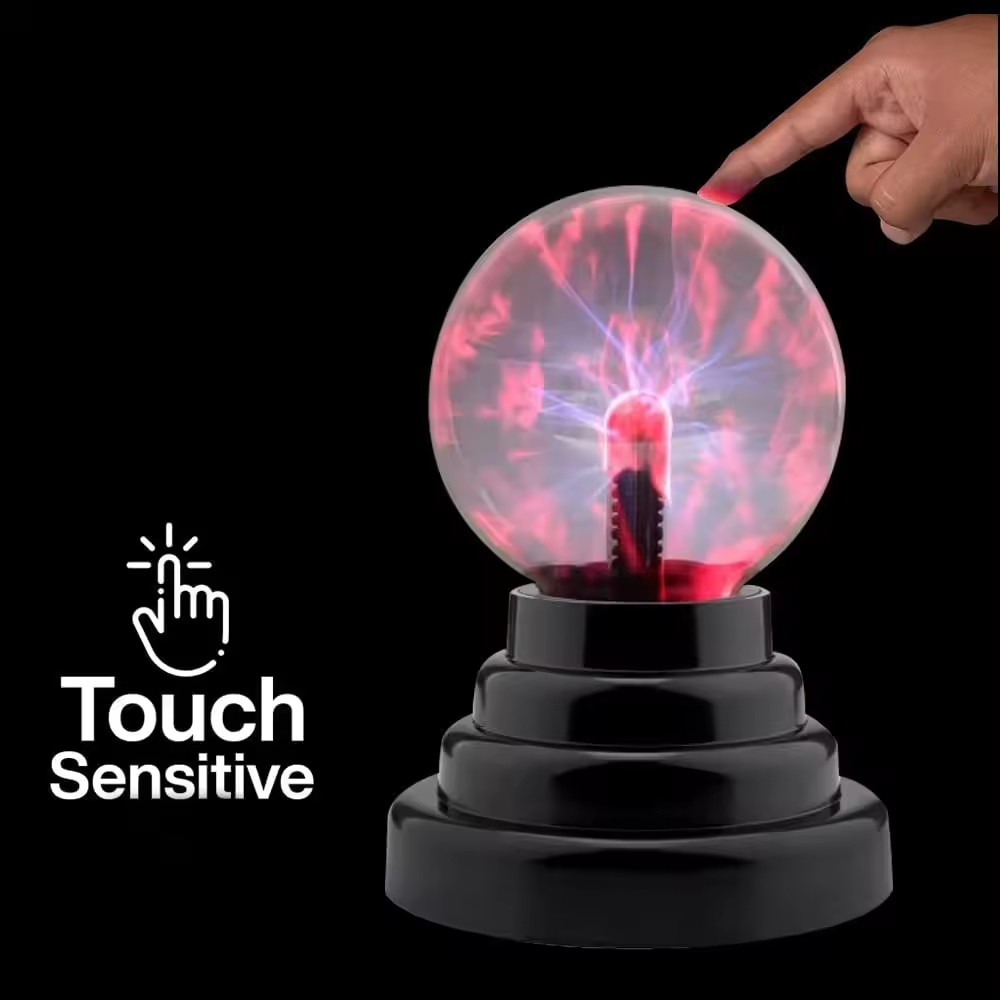
Before we answer the “two people” question, let’s recap what a plasma ball is. At its core, it’s a glass sphere filled with inert gases (like neon, argon, or xenon) and a small metal electrode at the center. When plugged in, the electrode sends high-voltage, low-current electricity through the gas—turning it into plasma (the fourth state of matter, after solid, liquid, and gas).
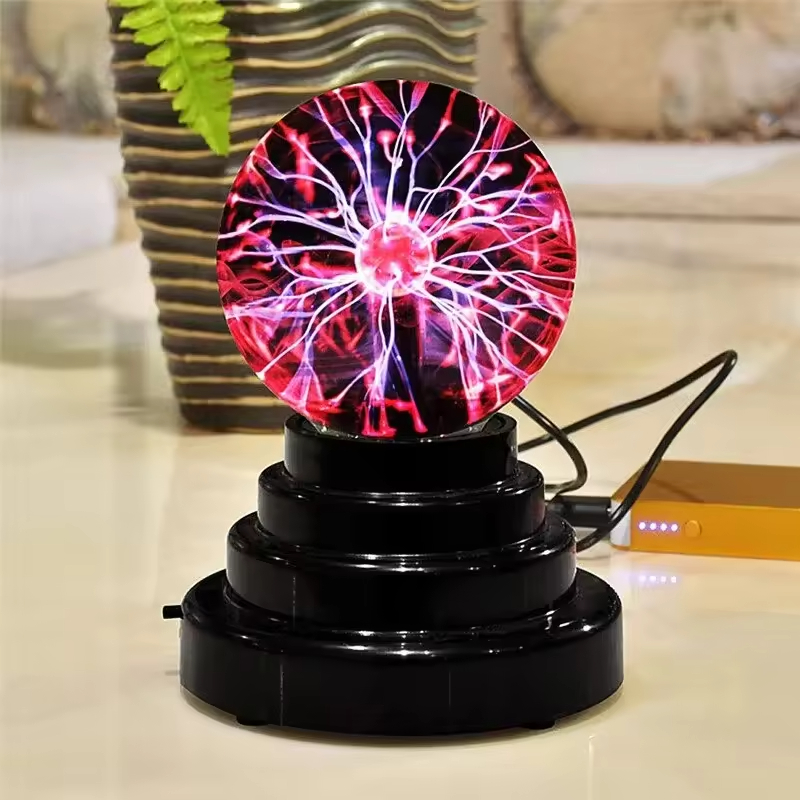
The plasma forms glowing, thread-like tendrils that stretch toward any conductive surface—like your hand—because electricity wants to flow to the ground. It’s this interactive, almost magical effect that makes plasma balls such a hit at parties, classrooms, and homes.
2. Can Two People Touch a Plasma Ball Together? The Short Answer
Yes! Two people can safely touch an electrostatic plasma ball at the same time—as long as the plasma ball is a standard, consumer-grade model (not a high-voltage industrial one). In fact, touching it together creates a fun, shared effect you won’t get alone.
When two people place their hands on the glass, the plasma tendrils will split or merge to reach both hands. If the two people also hold hands (creating a “human chain”), the plasma may even flow between their touching hands—since their bodies act as conductors. It’s a visually striking experience that feels like sharing a tiny “electrical connection.”
3. The Science Behind Shared Plasma Ball Touches
To understand why two people can touch a plasma ball safely, let’s break down the science:
- Low Current, High Voltage: Plasma balls use high voltage (often 10,000–50,000 volts) to create plasma, but the current (the actual flow of electricity) is extremely low—usually less than 1 milliamp. For reference, a typical AA battery has a current of 2,000 milliamps, and a human body can safely handle up to about 10 milliamps (anything higher risks injury). The low current means even if two people touch the ball, the electricity won’t harm them.
- Conductive Bodies: Your skin is a conductor (thanks to moisture and salts), so when you touch the glass, the plasma flows toward your hand to “ground” itself. If two people touch the ball, the electricity splits between both bodies—each carrying a tiny, harmless amount of current.
- Glass Barrier: The glass sphere acts as an insulator, so the electricity never directly touches your skin. You only feel a slight tingle (from the electrostatic field), not a shock.
4. Expert Insights: Is It Safe for Two People?
Safety is key, so we turned to Dr. Elena Rodriguez, a physicist specializing in electrostatics, for her take:
“Consumer-grade plasma balls are designed with safety in mind. The low current is the critical factor here—high voltage alone doesn’t harm you; it’s the combination of high voltage and high current that’s dangerous. When two people touch a plasma ball, the current divides between them, making the exposure even lower. I’ve even used this ‘two-person touch’ in my classroom to teach kids about conductivity—they love it, and it’s a great way to demystify electricity.”
“Consumer-grade plasma balls are designed with safety in mind. The low current is the critical factor here—high voltage alone doesn’t harm you; it’s the combination of high voltage and high current that’s dangerous. When two people touch a plasma ball, the current divides between them, making the exposure even lower. I’ve even used this ‘two-person touch’ in my classroom to teach kids about conductivity—they love it, and it’s a great way to demystify electricity.”
Dr. Rodriguez adds a caveat: “Avoid using damaged plasma balls (cracked glass, frayed cords) or touching them with wet hands—moisture increases conductivity slightly, though it still won’t cause harm. And never use industrial plasma devices meant for labs; those can have dangerous current levels.”

5. How to Enjoy a Plasma Ball With Others (The Right Way)
To make the most of a shared plasma ball experience, follow these tips:
- Use a Standard Model: Stick to plasma balls labeled for “home use” or “educational use”—avoid industrial or custom-built ones.
- Dry Hands Only: Wet skin conducts more electricity (though it’s still safe), but dry hands prevent the glass from getting slippery.
- Try the Human Chain: Have two people touch the ball with one hand, then hold each other’s free hand. The plasma will often “jump” between their connected hands, creating a cool visual.
- Keep It Away From Metals: Don’t touch the ball near metal objects (like keys or jewelry)—the plasma may flow to the metal instead, reducing the interactive effect.
6. FAQs About Plasma Balls & Shared Touches
Q1: Will two people get shocked if they touch a plasma ball together?
A: No. The low current means you’ll only feel a mild tingle (from the electrostatic field), not a painful shock.
Q2: Can kids touch a plasma ball with an adult?
A: Yes! It’s a safe, fun activity for kids (with adult supervision). Just make sure the plasma ball is placed on a stable surface to avoid tipping.
Q3: What if the plasma ball is cracked? Can we still touch it?
A: No—cracked glass can leak gas or expose the internal electrode, which is unsafe. Dispose of damaged plasma balls.
Q4: How long can two people touch a plasma ball?
A: There’s no time limit! You can touch it for minutes at a time—plasma balls don’t overheat with regular use.
Q5: Will the plasma ball stop working if two people touch it?
A: No—shared touches don’t damage the plasma ball. In fact, it’s
Will the Plasma Ball Explode if it Remains Open without being Closed?
Deciphering the Plasma Ball: Unveiling the Magic of Electrified Gas
Related Article

he global decorative lighting market is changing rapidly. Instead of selling only standard lighting products, more brands, retailers, and distributors are looking for customized lighting solutions that help them create unique products and strengthen their market position.
Why Custom Decorative Lighting Is Becoming a Key Growth Strategy for Global Brands in 2026

Home lighting is no longer just about brightness. In 2026, smart ambient lighting has become an important element of modern interior design, helping people create personalized spaces with color, atmosphere, and visual experiences.
How Smart Ambient Lighting Is Transforming Modern Home Decor in 2026?

Decorative lighting is no longer just about illumination. In 2026, it has become an essential part of interior design, lifestyle branding, and consumer experience. Whether in homes, hotels, retail stores, cafés, or entertainment venues, decorative lighting products are increasingly chosen to create atmosphere, express personality, and enhance living spaces.
How Decorative Lighting Is Evolving in 2026: Trends Buyers Should Know
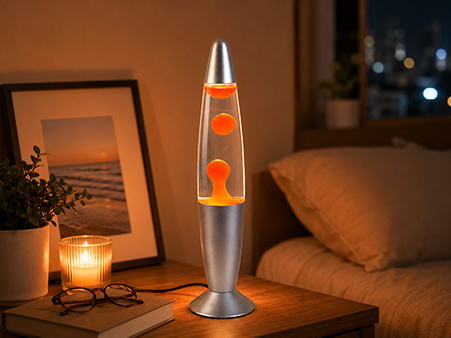
When global B2B buyers and gift shop retailers source commercial lava lamps, identifying manufacturing quality is critical to avoiding product returns and ensuring safety compliance. High-quality commercial lava lamps are defined by three core benchmarks: high-borosilicate scratch-resistant glass, certified non-toxic paraffin wax formulas that prevent cloudiness, and strict thermal safety compliance including CE, RoHS, and UL certifications.
How to Identify High-Quality Motion Lighting for Wholesale