
What's the reason for the flickering of the fiber optic lamp?
author: Tony
2025-10-21
Demystifying the Flickering of Fiber Optic Lamps
Table of Contents
Introduction
What are Fiber Optic Lamps?
Fiber optic lamps are a fascinating lighting solution that have gained popularity in various settings, from home decor to commercial and artistic installations. These lamps operate on a unique principle. At their core, they consist of a light source, a reflector, filter for colors, and optical fibers that serve as the medium for light transmission.
The light source, which can be a high - intensity halogen lamp or an energy - efficient LED, emits light. This light is then directed by the reflector to form a nearly parallel beam. The filter plays a crucial role in adding color to the light, creating a spectrum of hues. Once the light enters the optical fibers, it travels through them based on the principle of total internal reflection.
Optical fibers are made of materials like glass or plastic. They are designed in such a way that light, when it strikes the inner surface of the fiber at a certain angle, is continuously reflected within the fiber, allowing the light to be transmitted over long distances with minimal loss.
As we explored in our previous blog, "What are the Uses of Fiber Optic Lamps?", these lamps have a wide range of applications. In architecture, they are used to create stunning lighting effects on building facades, highlighting the structure's unique features. In interior design, fiber optic lamps can transform a space, creating a relaxing and ambient atmosphere. For example, they are often used to create a "starry sky" effect on ceilings in bedrooms, home theaters, or even in high - end hotels and restaurants. They are also popular in art installations, where artists use their flexibility and colorful light to create dynamic and immersive visual experiences.
Significance of Understanding Flickering
Understanding the reasons behind the flickering of fiber optic lamps is of utmost importance. Firstly, a flickering fiber optic lamp can be a major annoyance, especially in settings where a stable and consistent light is desired. For instance, in a home theater setup where a fiber optic star ceiling is installed to enhance the viewing experience, a flickering light can be distracting and take away from the immersive atmosphere.
Secondly, flickering can be an indication of an underlying problem that, if left unaddressed, could lead to more serious issues. It might be a sign of a malfunctioning light source, which could eventually burn out completely, leaving you in the dark. In some cases, it could also be related to a problem with the power supply, and if not resolved, there could be a risk of electrical hazards, such as overheating or short - circuits.
Moreover, in commercial settings like museums or art galleries where fiber optic lamps are used to showcase delicate artifacts or artworks, flickering lights can be unacceptable as they can disrupt the display and the overall visitor experience. Therefore, being able to identify and resolve the causes of flickering is essential for ensuring the proper functioning and longevity of fiber optic lamps, as well as for maintaining a safe and visually appealing environment.

Common Reasons for Flickering
Power - Related Issues
Voltage Fluctuations
Voltage fluctuations are a common culprit behind the flickering of fiber optic lamps. The power grid is not always perfectly stable. In some areas, especially during peak electricity consumption hours, such as evenings when many households are using various electrical appliances simultaneously, the voltage supplied to your home can vary. When the voltage fluctuates, the power input to the fiber optic lamp's power supply unit (PSU) also changes.
If the PSU is not designed to handle these fluctuations effectively, the light output from the lamp will be affected. For example, a sudden drop in voltage might cause the light source to dim momentarily, and a subsequent increase can make it brighten again, resulting in a flickering effect. Additionally, the operation of nearby high - power electrical devices, like air conditioners, refrigerators, or electric motors, can cause momentary voltage dips or spikes in the local electrical circuit. When these devices start up, they draw a large amount of current, which can disrupt the voltage stability in the electrical wiring, leading to the flickering of fiber optic lamps connected to the same circuit.
Loose Connections in the Power Cable
A loose connection in the power cable is another straightforward but often overlooked cause of fiber optic lamp flickering. The power cable serves as the lifeline, delivering electricity from the power source to the lamp. If the plug - in connection at either end of the power cable (either the end that plugs into the wall socket or the end that connects to the lamp) is not secure, it can create an intermittent electrical connection.
This intermittent connection means that the flow of electricity to the lamp is disrupted. The lamp may receive power for a short period, then lose it briefly, and then regain it again. Each time the connection is broken and re - established, the lamp's light output is affected, causing it to flicker. To check for loose connections, simply unplug and replug the power cable at both ends. Make sure that the plugs are fully inserted into their respective sockets and that they fit snugly. If the problem persists, the power cable itself may be damaged and may need to be replaced.
Optical Fiber - Specific Problems
Fiber Bends or Kinks
Optical fibers are designed to transmit light through the principle of total internal reflection. However, when they are bent or kinked, this light - transmission process is disrupted, often leading to fiber optic lamp flickering. When an optical fiber is bent too sharply, the light rays inside the fiber can no longer maintain the necessary angle for total internal reflection. As a result, some of the light leaks out of the fiber, reducing the amount of light that reaches the end of the fiber where it is supposed to create the illumination effect.
This loss of light intensity can cause the lamp to appear to flicker as the amount of light output becomes inconsistent. For example, if you have a fiber optic lamp installed in a location where the fibers are frequently moved or bent, such as in a flexible decorative installation, over time, these bends can accumulate and lead to flickering. To prevent this, it's crucial to handle optical fibers with care during installation. When routing the fibers, ensure that they have a gentle curve, and avoid sharp bends. The minimum bend radius for most optical fibers is specified by the manufacturer, typically around 10 - 30 times the diameter of the fiber, depending on its type.
Contaminated Fiber Ends
The ends of optical fibers are highly sensitive to contamination. Even a tiny speck of dust, a fingerprint, or a droplet of moisture on the fiber end can significantly interfere with the transmission of light. Light is a form of electromagnetic radiation, and any foreign substance on the fiber end can scatter or absorb the light, reducing its intensity and causing the fiber optic lamp to flicker.
When light hits a contaminated fiber end, instead of being efficiently transmitted through the fiber, some of the light is reflected or diffracted in the wrong direction. To clean the fiber ends, first, make sure to turn off the fiber optic lamp to avoid any potential damage from the cleaning process. Then, use a lint - free, alcohol - soaked wipe or a specialized fiber - optic cleaning swab. Gently wipe the fiber end in a single, smooth motion, starting from the center and moving outwards. Be careful not to touch the clean end with your fingers or any other objects after cleaning, and immediately reconnect the fiber to the lamp once it's clean.
Lamp Source Malfunctions
LED Degradation
LEDs (Light - Emitting Diodes) are commonly used as light sources in fiber optic lamps due to their energy - efficiency, long lifespan, and ability to produce a wide range of colors. However, over time, LEDs can degrade. As an LED ages, its internal components gradually wear out. The semiconductor materials within the LED can change their properties, which affects the way the LED emits light.
One of the most noticeable effects of LED degradation is a decrease in brightness. The LED may also start to emit light in an inconsistent manner, leading to flickering. This is because the aging process can cause variations in the electrical current - to - light conversion efficiency of the LED. To determine if LED degradation is the cause of the flickering, compare the current brightness and color of the fiber optic lamp with how it looked when it was new. If there is a significant difference, especially if the lamp has been in use for a long time (several years), the LED may need to be replaced. Some fiber optic lamps are designed in a way that allows for easy LED replacement, while for others, it may require professional assistance.
Defective Drivers
The driver is an essential component in a fiber optic lamp system. Its main function is to regulate the electrical current supplied to the light source, in this case, the LED. If the driver is defective, it cannot provide a stable current to the LED. A malfunctioning driver may supply a current that fluctuates in intensity or has incorrect voltage levels.
When the current supplied to the LED is unstable, the LED's light output will also be unstable, resulting in flickering. To detect a defective driver, you can use a multimeter to measure the electrical output of the driver. Compare the measured values with the manufacturer - specified values for the driver. If there are significant deviations, the driver is likely defective. In most cases, replacing the defective driver with a new one of the same type and specifications will resolve the flickering issue. However, this process may require some knowledge of electrical components and safety precautions, so it's advisable to consult a professional if you're not experienced in handling electrical equipment.
Expert Insights
Quotes from Optical Engineers
Optical engineers, who are at the forefront of understanding fiber optic technology, have valuable insights into the flickering issue. Dr. Emily Chen, a renowned optical engineer with over 15 years of experience in fiber optic systems, emphasizes, "Voltage fluctuations are a common and often underestimated cause of fiber optic lamp flickering. Power grids are complex systems, and small variations in voltage can have a significant impact on the performance of fiber optic lamps. It's crucial for users to invest in voltage - stabilizing equipment, especially in areas with known power - quality issues."
Another optical engineer, Mr. David Lee, who specializes in fiber optic lighting design, states, "When it comes to fiber - specific problems, the handling and installation of optical fibers play a huge role. Many times, installers are not aware of the importance of maintaining the proper bend radius of the fibers. This simple oversight can lead to long - term issues like flickering. Regular inspections of fiber optic installations to check for bends and kinks should be a standard practice."
Industry - Accepted Solutions
In the industry, there are well - established solutions for each of the common causes of fiber optic lamp flickering. For power - related issues, using a voltage regulator is highly recommended. A voltage regulator can smooth out voltage fluctuations, ensuring a stable power supply to the fiber optic lamp. For loose power cable connections, manufacturers suggest using cable - management systems that keep the power cables in place and prevent them from being accidentally unplugged or becoming loose over time.
To address fiber - optic - specific problems, when installing optical fibers, following the manufacturer's guidelines regarding the minimum bend radius is non - negotiable. Additionally, using fiber - optic cleaning kits regularly can prevent issues caused by contaminated fiber ends. These kits usually include high - quality cleaning swabs and solvents that are designed to safely and effectively remove contaminants from the fiber ends.
In the case of lamp source malfunctions, if LED degradation is suspected, industry best practices suggest replacing the LED with a high - quality, compatible replacement. As for defective drivers, it's important to source drivers from reliable manufacturers and to have them installed by professionals to ensure proper functionality and compatibility with the rest of the fiber optic lamp system.
Comparison with Previous Knowledge
Referencing "What are the Uses of Fiber Optic Lamps?"
In our previous blog, "What are the Uses of Fiber Optic Lamps?", we explored the diverse applications of these unique lighting solutions. Fiber optic lamps are used in a wide range of settings, from creating a cozy and romantic atmosphere in homes to enhancing the visual appeal of commercial spaces.
In home decor, they are often used to create a starry - sky effect on ceilings, adding a touch of magic to bedrooms or home theaters. In commercial settings such as hotels, restaurants, and museums, they are used to highlight architectural features, showcase products, or create a specific ambiance.
The uses of fiber optic lamps are closely related to the issue of flickering. For example, in a home theater where a fiber optic star ceiling is installed to provide an immersive movie - watching experience, even the slightest flickering can be extremely distracting. The stable operation of the fiber optic lamp is crucial to maintain the illusion of a starry sky. In a museum, where fiber optic lamps are used to illuminate delicate artworks, flickering lights can disrupt the viewer's focus and appreciation of the art.
The different uses of fiber optic lamps also place varying demands on their stability. In areas where people are in close proximity to the lamps for extended periods, such as in living rooms or galleries, flickering is more noticeable and less tolerable. In contrast, in some less - occupied areas like certain parts of industrial installations where fiber optic lamps are used for basic illumination, the impact of flickering may be less significant. However, it's important to note that regardless of the setting, a flickering fiber optic lamp is a sign of a problem that could potentially lead to more serious malfunctions if not addressed promptly. So, understanding the reasons for flickering is essential, regardless of the lamp's intended use.
FAQs about Fiber Optic Lamps
Q1: Can environmental factors like humidity affect fiber optic lamp flickering?
Yes, environmental factors such as humidity can affect fiber optic lamp flickering. High humidity levels can introduce moisture into the lamp's components. If moisture gets into the power supply unit, it can cause short - circuits or disrupt the electrical current flow, leading to flickering.
For optical fibers, moisture on the fiber ends or within the fiber structure can scatter light. Water molecules have a different refractive index compared to the materials of the optical fiber, and this difference can cause light to deviate from its normal path of total internal reflection within the fiber. As a result, the light output becomes inconsistent, and the fiber optic lamp may flicker. Additionally, in high - humidity environments, metal components in the lamp, such as connectors or parts of the driver, can corrode over time. Corrosion can increase electrical resistance or cause intermittent electrical connections, further contributing to the flickering problem.
Q2: How often should I check my fiber optic lamp for potential flickering issues?
It is advisable to check your fiber optic lamp for potential flickering issues at least once every few months, especially if it is in constant use. Regular inspections can help you catch early signs of problems before they escalate into more serious issues that could lead to complete lamp failure.
During the check, visually inspect the power cable for any signs of wear, fraying, or loose connections. Examine the optical fibers for bends, kinks, or signs of contamination at the ends. Also, observe the light output of the lamp. If you notice any dimming, color changes, or intermittent flickering during normal operation, it's a sign that you need to investigate further. Checking the lamp's performance during different times of the day can also be helpful, as power - related issues may be more prevalent during peak electricity consumption hours. For fiber optic lamps in commercial or high - traffic areas where they are used frequently, more frequent checks, perhaps monthly, may be necessary to ensure continuous and reliable operation.
Conclusion
Recap of Key Points
In summary, the flickering of fiber optic lamps can be attributed to several factors. Power - related issues, such as voltage fluctuations and loose power cable connections, can disrupt the electrical supply to the lamp, leading to inconsistent light output. Optical fiber - specific problems, including fiber bends or kinks and contaminated fiber ends, interfere with the transmission of light within the fibers. Lamp source malfunctions, like LED degradation and defective drivers, can also cause the fiber optic lamp to flicker.
Optical engineers emphasize the importance of addressing these issues promptly. They recommend using voltage regulators for power - related problems, handling optical fibers with care during installation to avoid bends and kinks, and regularly cleaning fiber ends. For lamp source malfunctions, replacing defective components with high - quality replacements is crucial.
In the FAQs section, we learned that environmental factors like humidity can affect fiber optic lamp flickering, and it is advisable to check the lamp for potential flickering issues at least once every few months.
Final Thoughts
Understanding the reasons behind fiber optic lamp flickering is essential for maintaining a stable and visually appealing lighting environment. Whether it's for creating a cozy atmosphere at home or for enhancing the aesthetics of a commercial space, a non - flickering fiber optic lamp is key. By being aware of the common causes and following the recommended solutions and maintenance practices, users can ensure the long - term functionality and reliability of their fiber optic lamps. Promptly addressing flickering issues not only improves the visual experience but also helps to extend the lifespan of the lamp, saving both time and money in the long run. So, the next time you notice your fiber optic lamp flickering, don't ignore it; take the necessary steps to diagnose and resolve the problem.
Colorful Lava Lights: Unveiling the Charm of Light and Shadow
Fiber Optic Lamps: Illuminating a New Era Without Bulbs
Related Article

he global decorative lighting market is changing rapidly. Instead of selling only standard lighting products, more brands, retailers, and distributors are looking for customized lighting solutions that help them create unique products and strengthen their market position.
Why Custom Decorative Lighting Is Becoming a Key Growth Strategy for Global Brands in 2026

Home lighting is no longer just about brightness. In 2026, smart ambient lighting has become an important element of modern interior design, helping people create personalized spaces with color, atmosphere, and visual experiences.
How Smart Ambient Lighting Is Transforming Modern Home Decor in 2026?

Decorative lighting is no longer just about illumination. In 2026, it has become an essential part of interior design, lifestyle branding, and consumer experience. Whether in homes, hotels, retail stores, cafés, or entertainment venues, decorative lighting products are increasingly chosen to create atmosphere, express personality, and enhance living spaces.
How Decorative Lighting Is Evolving in 2026: Trends Buyers Should Know
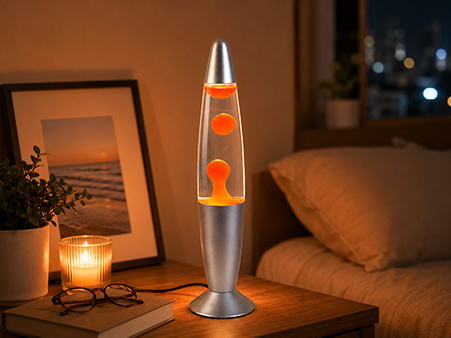
When global B2B buyers and gift shop retailers source commercial lava lamps, identifying manufacturing quality is critical to avoiding product returns and ensuring safety compliance. High-quality commercial lava lamps are defined by three core benchmarks: high-borosilicate scratch-resistant glass, certified non-toxic paraffin wax formulas that prevent cloudiness, and strict thermal safety compliance including CE, RoHS, and UL certifications.
How to Identify High-Quality Motion Lighting for Wholesale