
In the X-Men movie "Reversal of Time", when Wolverine just returned to the past, what was that thing like a lamp that was placed on the bedside?
author: Tony
2025-09-12
In the X-Men Movie "Days of Future Past", When Wolverine Just Returned to the Past, What Was That Lamp-Like Thing on the Bedside?
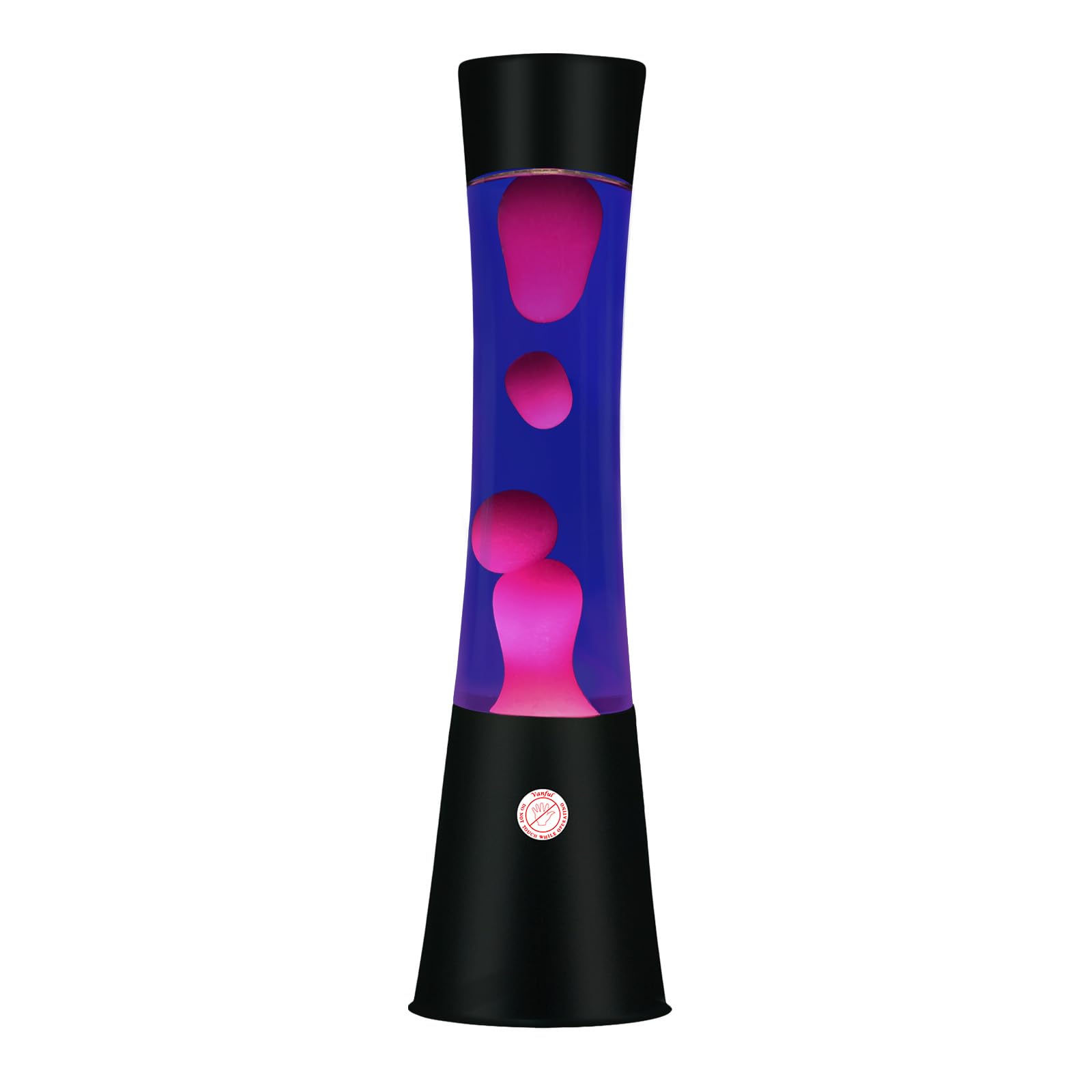
Table of Contents
- Introduction: The "Mysterious Lamp" in Wolverine’s Past Scene
- What Exactly Is a Lava Lamp?
- Why a Lava Lamp? Its Role in 1970s Setting & Movie Storytelling
- Expert’s Take: Lava Lamps as Cultural Symbols in Film
- A Recall: Our Blog on Lava Lamp Popularity – Why Do Foreigners Like Lava Lamps?
- FAQs About Lava Lamps (Movie & Daily Use)
- Conclusion: Lava Lamps – More Than a Prop, a Timeless Icon
1. Introduction: The "Mysterious Lamp" in Wolverine’s Past Scene
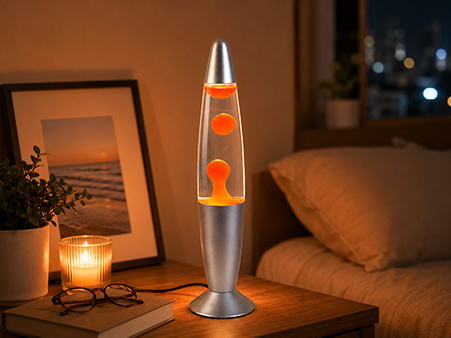
If you’re an X-Men fan, you might have paused the scene in X-Men: Days of Future Past where Wolverine (Logan) wakes up in the 1970s—confused, disoriented, and staring at a strange, glowing object on the bedside table. That “lamp” isn’t just a random prop: it’s a lava lamp—a cultural staple of the 1960s and 1970s that instantly grounds the movie in its historical setting. For viewers unfamiliar with this retro decor piece, it’s easy to wonder: What is it? Why was it there? This blog breaks down the lava lamp’s role in the film, its design, and why it remains a beloved item decades later.

2. What Exactly Is a Lava Lamp?
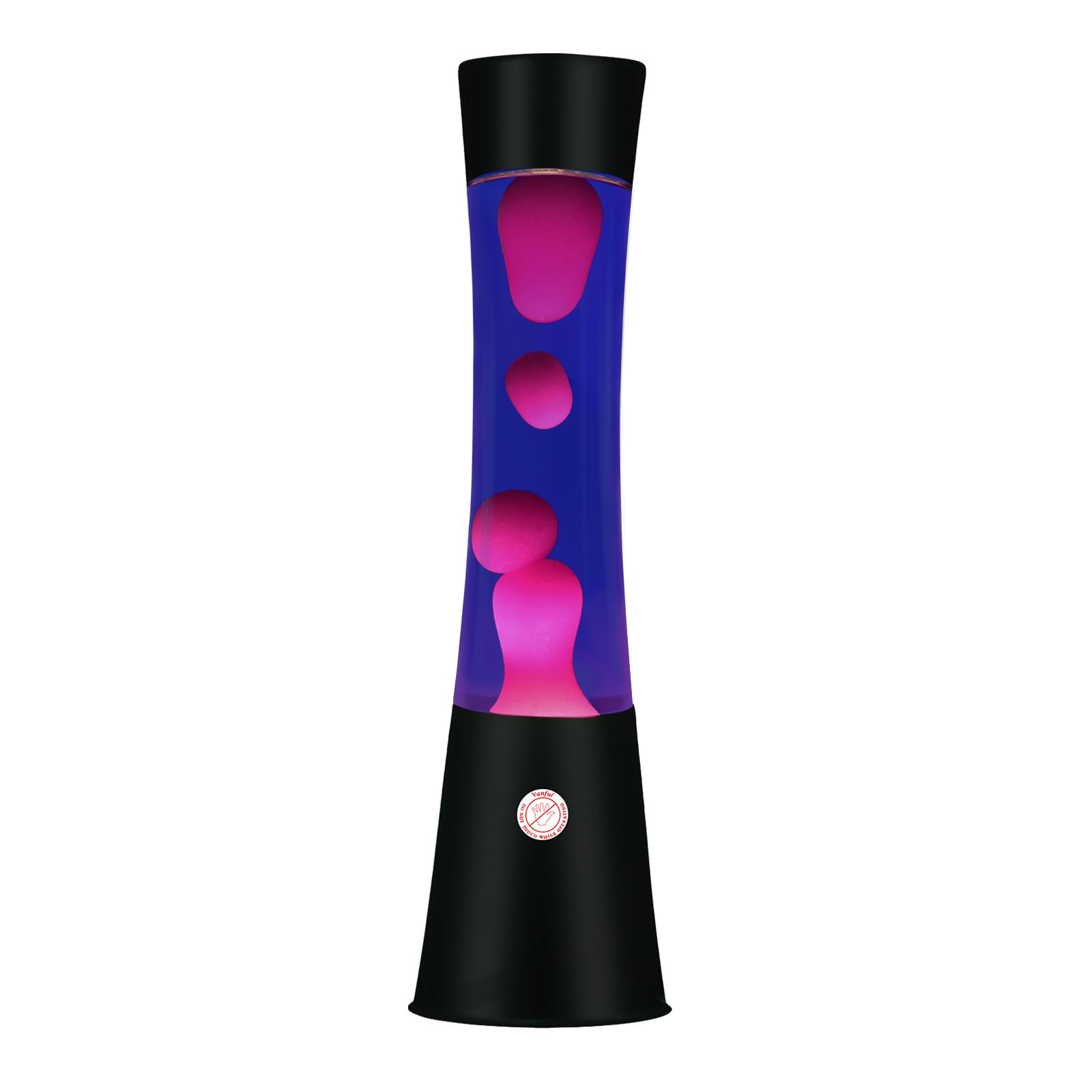
A lava lamp is a decorative lighting fixture that blends functionality with whimsical visual appeal. Its core design hasn’t changed much since its invention in 1963 by British engineer Edward Craven Walker:
- Structure: It consists of a glass bottle filled with two key components—a clear, viscous liquid (usually water or mineral oil) and colored wax or paraffin (the “lava”). The bottle sits on a base with a small incandescent or LED bulb.
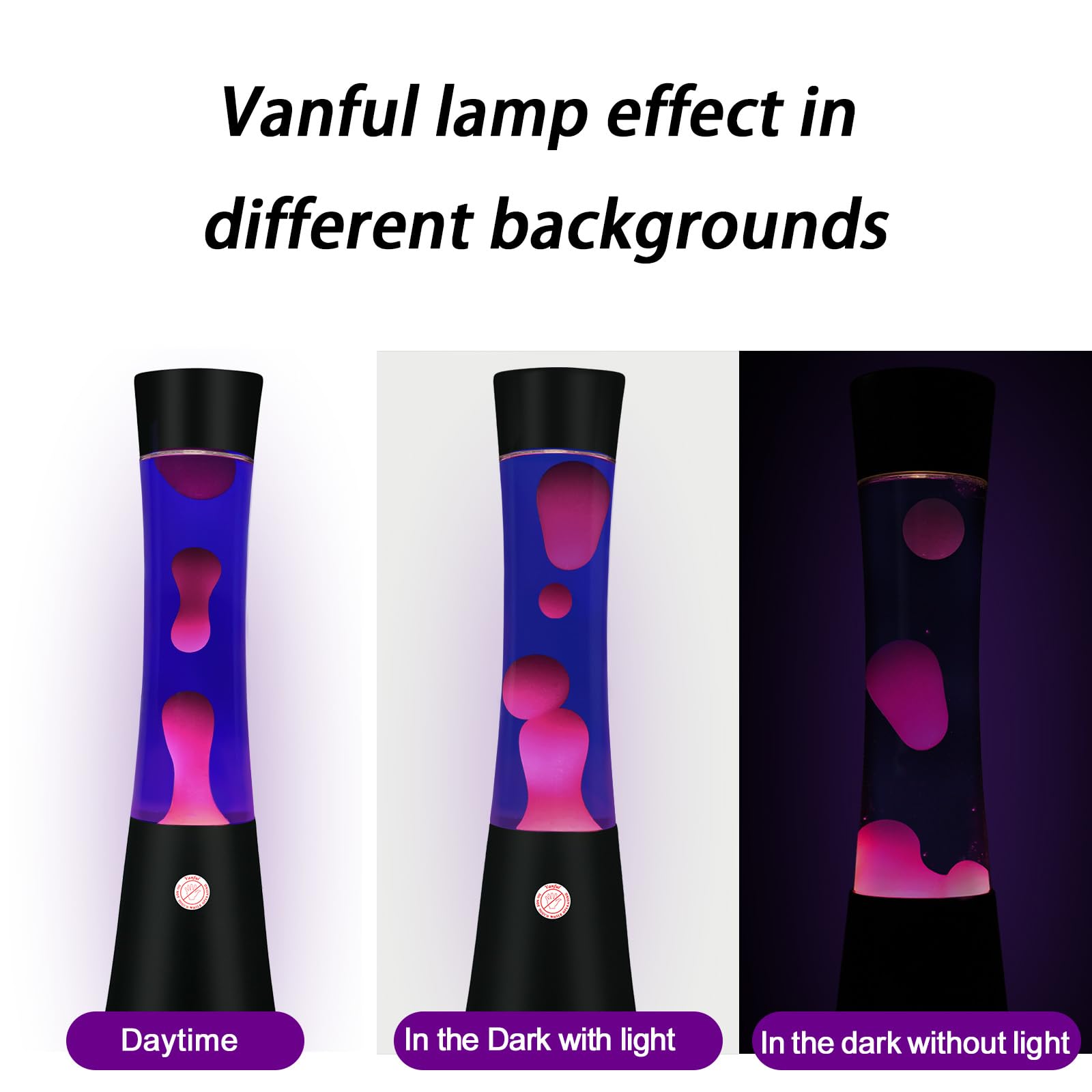
- Working Principle: When turned on, the bulb heats the wax. As the wax warms, its density decreases, causing it to rise slowly through the liquid. Once it reaches the cooler top of the bottle, it cools down, becomes denser, and sinks back to the bottom. This cycle creates a slow, hypnotic “flow” that looks like moving lava—hence the name.
- Aesthetic Charm: Lava lamps come in various colors (think deep red, bright yellow, or neon blue wax) and bottle shapes, but the classic cylindrical design (like the one in Days of Future Past) is most iconic. The soft, warm glow and gentle movement make it more than a light—it’s a “visual stress reliever.”

3. Why a Lava Lamp? Its Role in 1970s Setting & Movie Storytelling
The Days of Future Past team didn’t pick the lava lamp by accident. It’s a deliberate choice to reinforce the 1970s timeframe and Logan’s fish-out-of-water experience:
- 1970s Cultural Marker: By the 1970s, lava lamps had become a symbol of the era’s counterculture and laid-back lifestyle. They were common in college dorms, apartments, and even teenage bedrooms—perfect for the “everyday” 1970s room where Logan wakes up. Without a single line of dialogue, the lava lamp tells viewers: We’re not in the future anymore.
- Contrast to Logan’s World: Logan, a character used to harsh, futuristic battles and metal claws, wakes up to a slow, calm lava lamp. This contrast highlights his disorientation: the lamp’s gentle movement feels alien to his violent, fast-paced life, emphasizing how out of place he is in the past.
- Subtle Storytelling: Props like lava lamps add “texture” to a movie’s world. They make the 1970s feel lived-in, not just a backdrop—and help audiences believe Logan has truly traveled back in time.

4. Expert’s Take: Lava Lamps as Cultural Symbols in Film
Film historians often use everyday objects like lava lamps to anchor stories in specific decades. Dr. Emma Carter, a pop culture scholar specializing in 20th-century film props, explains:
“Lava lamps are ‘time capsules’ in prop form—they’re instantly recognizable and tied to a narrow window of time (the late 1960s to 1980s). In Days of Future Past, the lava lamp does more than decorate: it signals to the audience that we’ve shifted to an era of relaxation and retro style, which contrasts sharply with the movie’s dystopian future. Filmmakers rely on such props because they’re relatable—viewers might remember a lava lamp from a parent’s attic or a vintage store, creating an emotional connection to the scene.”
She adds: “Unlike generic ‘retro lamps,’ lava lamps have no modern equivalent with the same cultural weight. That’s why they’re still used in films set in the 70s—they’re a shortcut to authenticity.”
“Lava lamps are ‘time capsules’ in prop form—they’re instantly recognizable and tied to a narrow window of time (the late 1960s to 1980s). In Days of Future Past, the lava lamp does more than decorate: it signals to the audience that we’ve shifted to an era of relaxation and retro style, which contrasts sharply with the movie’s dystopian future. Filmmakers rely on such props because they’re relatable—viewers might remember a lava lamp from a parent’s attic or a vintage store, creating an emotional connection to the scene.”
She adds: “Unlike generic ‘retro lamps,’ lava lamps have no modern equivalent with the same cultural weight. That’s why they’re still used in films set in the 70s—they’re a shortcut to authenticity.”
5. A Recall: Our Blog on Lava Lamp Popularity – Why Do Foreigners Like Lava Lamps?
If you’re curious about why lava lamps became a global phenomenon (and why they’re still loved today), check out our earlier blog: Why Do Foreigners Like Lava Lamps? In that post, we explore how lava lamps crossed borders—from their 1960s British origins to their popularity in the U.S., Europe, and beyond. We also break down their appeal: they’re affordable, low-maintenance, and offer a nostalgic escape from busy modern life. The lava lamp in Days of Future Past is a perfect example of this enduring charm—even in a superhero movie, it feels like
What is inside the lava lamp?
Christmas is approaching. Here are some beautiful Christmas gifts to recommend: Snail Lamps
Related Article

he global decorative lighting market is changing rapidly. Instead of selling only standard lighting products, more brands, retailers, and distributors are looking for customized lighting solutions that help them create unique products and strengthen their market position.
Why Custom Decorative Lighting Is Becoming a Key Growth Strategy for Global Brands in 2026

Home lighting is no longer just about brightness. In 2026, smart ambient lighting has become an important element of modern interior design, helping people create personalized spaces with color, atmosphere, and visual experiences.
How Smart Ambient Lighting Is Transforming Modern Home Decor in 2026?

Decorative lighting is no longer just about illumination. In 2026, it has become an essential part of interior design, lifestyle branding, and consumer experience. Whether in homes, hotels, retail stores, cafés, or entertainment venues, decorative lighting products are increasingly chosen to create atmosphere, express personality, and enhance living spaces.
How Decorative Lighting Is Evolving in 2026: Trends Buyers Should Know
When global B2B buyers and gift shop retailers source commercial lava lamps, identifying manufacturing quality is critical to avoiding product returns and ensuring safety compliance. High-quality commercial lava lamps are defined by three core benchmarks: high-borosilicate scratch-resistant glass, certified non-toxic paraffin wax formulas that prevent cloudiness, and strict thermal safety compliance including CE, RoHS, and UL certifications.
How to Identify High-Quality Motion Lighting for Wholesale