
Can Plasma Balls Electrocute People? Debunking Myths About Electrified Magic
author: Tony
2025-09-16

Can Plasma Balls Electrocute People? Debunking Myths About Electrified Magic

Table of Contents
- Introduction: The Allure of Plasma Balls—And the Shock of Fear
- A Refresher: How Plasma Balls Generate Their Glow
- The Critical Distinction: Voltage vs. Current in Plasma Balls
- Expert Insights: Why Plasma Balls Rarely Pose Electrocution Risks
- When to Be Cautious: Edge Cases & Safety Boundaries
- FAQ: Your Top Plasma Ball Shock Questions Answered
- Conclusion: Enjoy the Glow Without the Worry
1. Introduction: The Allure of Plasma Balls—And the Shock of Fear
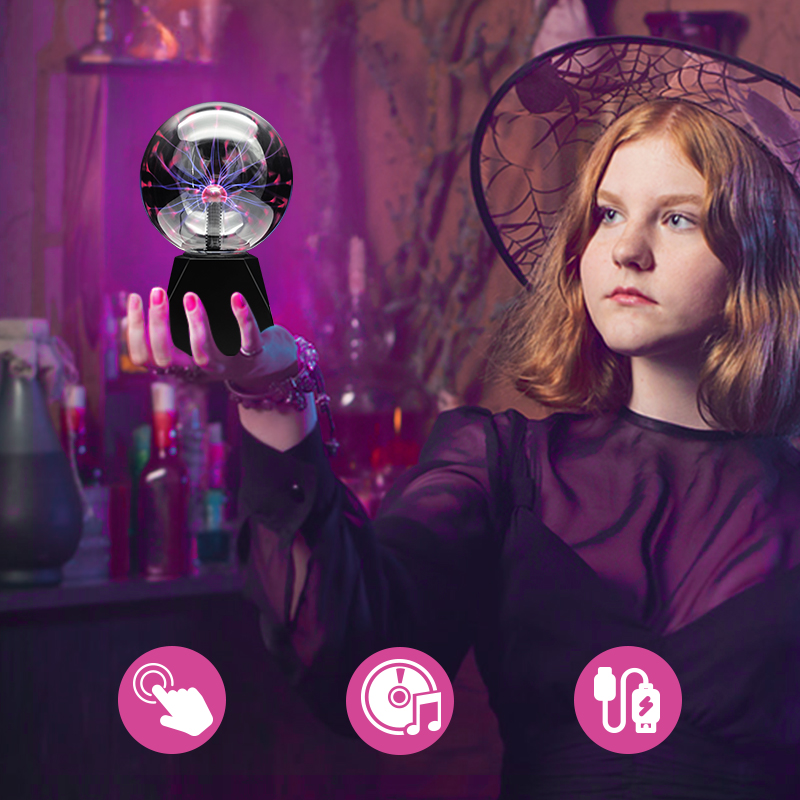
Few novelty devices blend science and wonder like the plasma ball. That glass globe, crackling with neon-hued filaments that reach for your fingertips, has fascinated museum-goers, students, and hobbyists for decades. But alongside that fascination comes a common, prickly concern: Can this thing electrocute me? It’s a valid worry—after all, the plasma ball’s “lightning” looks like raw electricity. In this blog, we’ll cut through the fear, break down the science (building on our deep dive in Deciphering the Plasma Ball: Unveiling the Magic of Electrified Gas), and share expert perspectives to answer the question once and for all.
2. A Refresher: How Plasma Balls Generate Their Glow
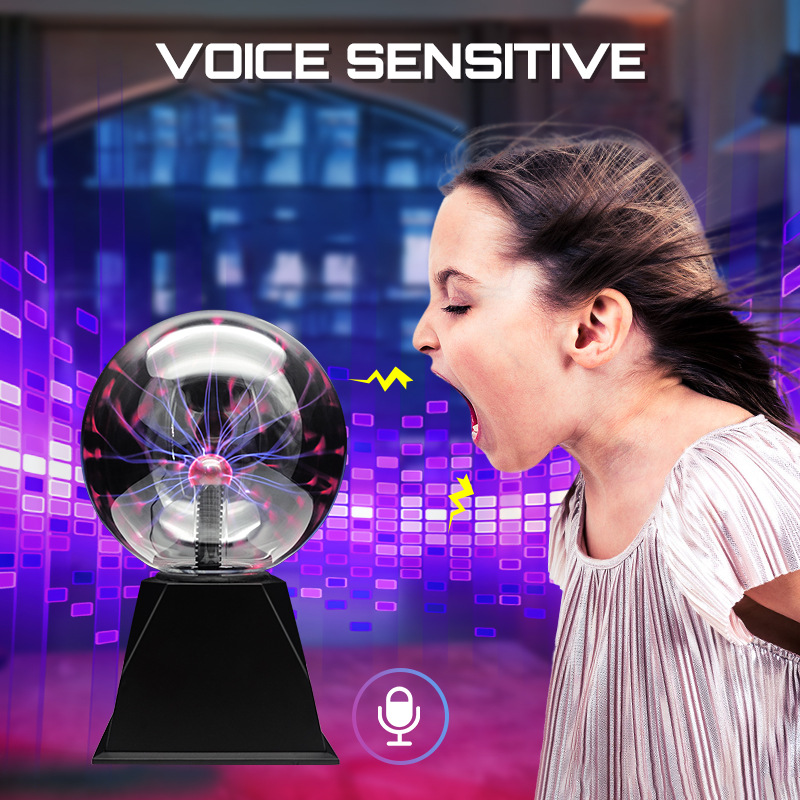
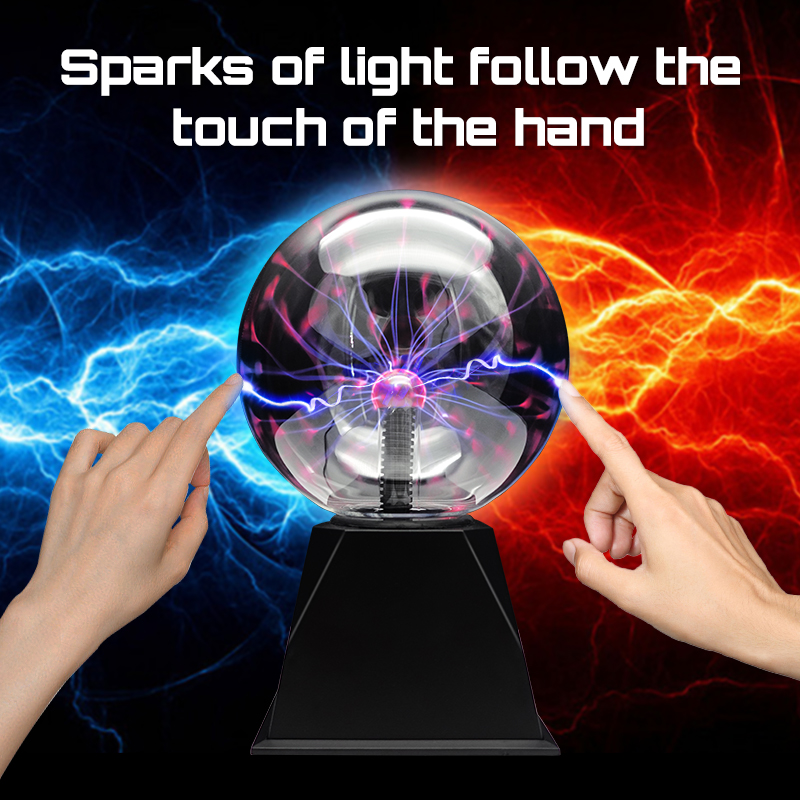
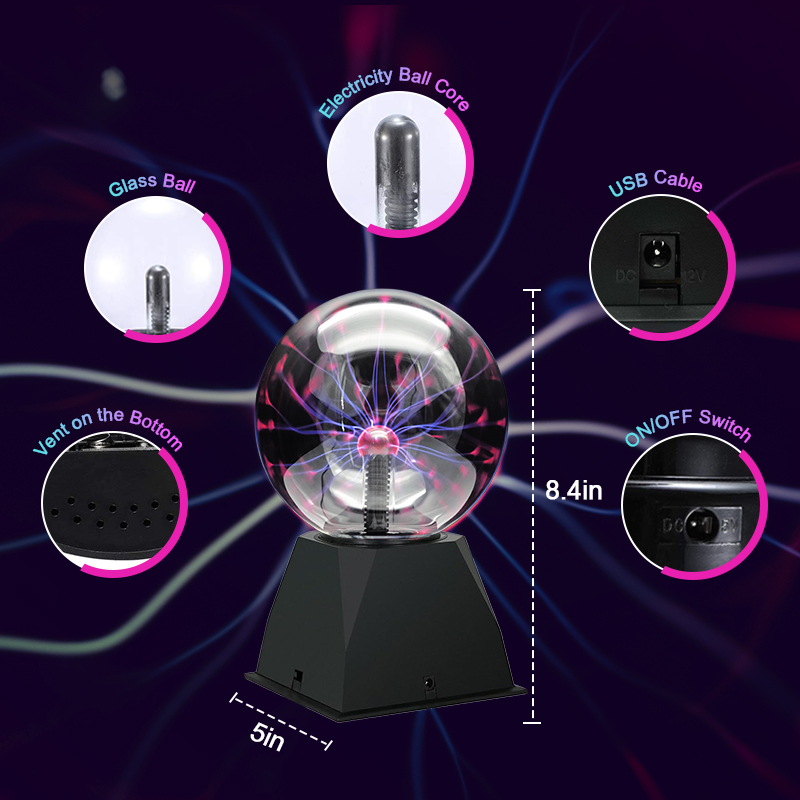
Before we tackle electrocution risks, let’s recap the plasma ball’s inner workings—foundations we first explored in Deciphering the Plasma Ball. At its core sits a high-voltage electrode (usually a metal rod or sphere) sealed inside a glass globe filled with inert gases (neon, argon, or krypton). When powered on, the electrode emits a high-frequency current of 2,000–5,000 volts—enough to ionize the gas molecules, turning them into plasma (the fourth state of matter). These ionized gas molecules form glowing filaments that stretch toward the glass, creating the illusion of lightning. When you touch the globe, your hand becomes a “ground,” drawing the plasma filaments to your fingertips—hence that tingly, otherworldly sensation.
But here’s the key detail we emphasized earlier: the glass globe isn’t just for show. It’s a hermetic seal that contains the gas and acts as a physical barrier between the high-voltage electrode and the outside world.
3. The Critical Distinction: Voltage vs. Current in Plasma Balls
To understand why electrocution is rare, we need to clarify two terms: voltage and current. Voltage (measured in volts, V) is the “pressure” that pushes electricity through a circuit. Current (measured in amperes, A) is the actual flow of electrical charge—and it’s the primary culprit behind electrocution.
Plasma balls boast high voltage (2kV–5kV), which is why they can create those dramatic plasma filaments. But they have extremely low current—usually less than 0.001 amperes (1 milliamp). For context:
- 1mA: A faint tingle (the maximum current from most plasma balls).
- 10mA: Muscle contractions (painful but not life-threatening).
- 100mA: Ventricular fibrillation (can be fatal).
The plasma ball’s design intentionally limits current. Its internal circuitry uses a transformer to boost voltage but restrict flow—similar to how a static electricity shock (which can reach 10,000V) stings but doesn’t harm you. The glass globe amplifies this safety: even if the voltage is high, the barrier prevents significant current from reaching your body.
4. Expert Insights: Why Plasma Balls Rarely Pose Electrocution Risks
We consulted Dr. Marcus Hale, an electrical engineer and safety researcher who specializes in consumer electronics, to validate these claims. “Plasma balls are engineered to be low-risk precisely because they’re marketed for home and educational use,” he explains. “The high voltage is necessary for the plasma effect, but the current is so minimal that it can’t deliver a dangerous shock—even if you touch the glass for extended periods.”
Dr. Hale also referenced the design principles we unpacked in Deciphering the Plasma Ball. “The hermetic glass seal is non-negotiable for safety. Without it, the inert gas escapes, and the plasma effect fails—but more importantly, it acts as an insulator. Even if the internal electrode had higher current, the glass would block it.” He adds, “Reputable manufacturers follow IEC 61558 standards, which require current limiting and insulation testing for devices like this.”

5. When to Be Cautious: Edge Cases & Safety Boundaries
While electrocution is highly unlikely with a working plasma ball, there are rare scenarios where risks increase—all tied to device damage or misuse:
- Cracked or Broken Glass: If the globe is chipped, cracked, or shattered, the seal is broken. The inert gas leaks out, and the exposed electrode could deliver a more direct (though still low-current) shock. Never use a plasma ball with damaged glass.
- Faulty Wiring or Modifications: Cheap, uncertified plasma balls may have shoddy internal components that fail to limit current. Modifying the device (e.g., opening the base to tamper with circuitry) also eliminates safety protections.
- Wet Hands or Surfaces: Water conducts electricity. Touching a plasma ball with wet hands, or using it near spilled liquids, could increase current flow slightly—leading to a more intense tingle (though still not electrocution).
- Vulnerable Individuals: People with pacemakers or other implantable medical devices should avoid plasma balls. The electromagnetic field (not the current) could interfere with device function—though this is a separate risk from electrocution.
6. FAQ: Your Top Plasma Ball Shock Questions Answered
Q1: Why do I feel a tingle when I touch a plasma ball?
A: That tingle is the tiny current (≤1mA) interacting with your skin’s nerves. It’s a sensory response, not a sign of danger—similar to rubbing your feet on carpet and touching a doorknob.
Q2: Can a plasma ball electrocute a child or pet?
A: No. Children and pets may find the tingle surprising, but the low current is harmless to them too. The bigger risk is dropping the ball (breaking the glass) or chewing on the power cord (a separate electrical hazard).
Christmas Lava Lamp: The Perfect Choice for Christmas Atmosphere
Will the Plasma Ball Explode if it Remains Open without being Closed?
Related Article

he global decorative lighting market is changing rapidly. Instead of selling only standard lighting products, more brands, retailers, and distributors are looking for customized lighting solutions that help them create unique products and strengthen their market position.
Why Custom Decorative Lighting Is Becoming a Key Growth Strategy for Global Brands in 2026

Home lighting is no longer just about brightness. In 2026, smart ambient lighting has become an important element of modern interior design, helping people create personalized spaces with color, atmosphere, and visual experiences.
How Smart Ambient Lighting Is Transforming Modern Home Decor in 2026?

Decorative lighting is no longer just about illumination. In 2026, it has become an essential part of interior design, lifestyle branding, and consumer experience. Whether in homes, hotels, retail stores, cafés, or entertainment venues, decorative lighting products are increasingly chosen to create atmosphere, express personality, and enhance living spaces.
How Decorative Lighting Is Evolving in 2026: Trends Buyers Should Know
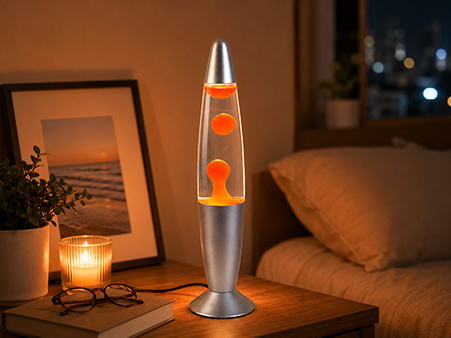
When global B2B buyers and gift shop retailers source commercial lava lamps, identifying manufacturing quality is critical to avoiding product returns and ensuring safety compliance. High-quality commercial lava lamps are defined by three core benchmarks: high-borosilicate scratch-resistant glass, certified non-toxic paraffin wax formulas that prevent cloudiness, and strict thermal safety compliance including CE, RoHS, and UL certifications.
How to Identify High-Quality Motion Lighting for Wholesale