
Will the Plasma Ball Explode if it Remains Open without being Closed?
author: Tony
2025-09-16

Will the Plasma Ball Explode if it Remains Open without being Closed?

Table of Contents
- Introduction: The Enigmatic Plasma Ball
- How Does a Plasma Ball Work? A Quick Recap
- The Core Question: Explosion Risk of Unattended Plasma Balls
- Expert Opinions on Plasma Ball Safety
- Practical Safety Tips for Using Plasma Balls
- FAQ: Common Concerns About Plasma Balls
- Conclusion

1. Introduction: The Enigmatic Plasma Ball
Walk into any science museum gift shop or novelty store, and you’re likely to spot the mesmerizing plasma ball—a glass globe filled with inert gas that dances with electric filaments when powered on. Its otherworldly glow and interactive nature make it a favorite among both kids and adults. But a common worry lingers: What if I leave it on for too long? Will it explode? In this blog, we’ll tackle this pressing question, draw on expert insights, and even circle back to concepts we explored in our previous post, Deciphering the Plasma Ball: Unveiling the Magic of Electrified Gas.

2. How Does a Plasma Ball Work? A Quick Recap
Before diving into explosion risks, let’s refresh our understanding of how these devices operate—building on the details from Deciphering the Plasma Ball. At the heart of every plasma ball is a high-voltage electrode (usually a metal sphere or rod) suspended in a glass globe. The globe is filled with inert gases like neon, argon, or krypton, which are non-reactive and stable under normal conditions. When plugged in, the electrode emits a high-frequency, high-voltage current (typically 2–5 kilovolts). This energy ionizes the gas molecules, turning them into plasma—the fourth state of matter. The plasma forms glowing filaments that reach toward the glass, creating the iconic “lightning” effect when you touch the surface.
Crucially, as we highlighted earlier, the glass globe is hermetically sealed. This seal keeps the inert gas inside and prevents external air (which contains reactive oxygen and moisture) from entering— a detail that’s key to understanding safety.

3. The Core Question: Explosion Risk of Unattended Plasma Balls
Let’s cut to the chase: Under normal conditions, a properly functioning plasma ball will not explode if left on. Here’s why:
First, the inert gas filling is non-flammable and non-explosive. Unlike flammable gases like propane or hydrogen, neon and argon won’t ignite or detonate, even when ionized. Second, the glass globe is designed to withstand the internal pressure of the sealed gas. Manufacturers test these globes to ensure they can handle the minor pressure fluctuations that occur during operation.
That said, there are extremely rare scenarios where damage might occur—but not an “explosion” in the traditional sense. If the glass globe is already cracked (from a drop or impact), leaving the plasma ball on could cause the seal to fail. In this case, the inert gas would leak out, and the plasma effect would stop working. There’s no explosion risk here—just a broken device. Another hypothetical risk is a faulty power supply: if the internal wiring short-circuits, it might cause the device to overheat or emit smoke, but this is a fire hazard (not an explosion) and is easily prevented with quality products.

4. Expert Opinions on Plasma Ball Safety
To back up these claims, we consulted Dr. Elena Marquez, a physicist specializing in plasma technology and electrical safety. “Plasma balls are inherently low-risk devices,” she explains. “The high voltage is contained within the sealed globe, and the inert gas eliminates any explosion potential. The biggest misconception is confusing ‘high voltage’ with ‘high danger’—the current (amperage) is very low, so even if the glass breaks, the electrical shock risk is minimal for healthy adults.”
Dr. Marquez also references the design standards we touched on in Deciphering the Plasma Ball. “Reputable manufacturers adhere to IEC (International Electrotechnical Commission) safety standards for small electrical devices. These standards require pressure-resistant glass and overheat protection in the power supply, further reducing any risks.”

5. Practical Safety Tips for Using Plasma Balls
While explosions aren’t a concern, following these tips will keep your plasma ball working safely for years:
- Inspect the glass first: Never use a plasma ball with a cracked or chipped globe—this breaks the seal and risks gas leakage.
- Avoid extended, unattended use: Even though it won’t explode, leaving it on for weeks (e.g., in a forgotten store display) can shorten the lifespan of the electrode and power supply. Most manufacturers recommend turning it off when not in use.
- Keep it away from liquids: Water or other fluids can damage the internal wiring and create a shock hazard.
- Buy from trusted brands: Cheap, uncertified plasma balls may skip safety features like overheat fuses.

6. FAQ: Common Concerns About Plasma Balls
Q1: Can a plasma ball start a fire if left on?
A: Only if it has a manufacturing defect (e.g., faulty wiring) or is placed near flammable materials (like paper or fabric). A working plasma ball itself doesn’t produce enough heat to ignite objects.
Q2: Is the radiation from a plasma ball dangerous?
A: No. Plasma balls emit very low levels of electromagnetic radiation—far below the safety limits set by agencies like the FDA. They’re safe for daily use.
Q3: What happens if the glass breaks while it’s on?
A: The plasma effect will immediately stop (since the inert gas escapes). The electrical current is low, so the shock risk is low, but you should unplug it immediately and discard the device.
Q4: How long can I safely leave a plasma ball on?
A: Most experts recommend no more than 8–12 hours at a time. Extended use can overheat the power supply, but it won’t cause an explosion.
7. Conclusion
The fear of a plasma ball exploding from being left on is largely unfounded. Thanks to its sealed, inert gas filling and safe design—details we first unpacked in Deciphering the
Can Plasma Balls Electrocute People? Debunking Myths About Electrified Magic
Can two people touch the electrostatic plasma ball?
Related Article

he global decorative lighting market is changing rapidly. Instead of selling only standard lighting products, more brands, retailers, and distributors are looking for customized lighting solutions that help them create unique products and strengthen their market position.
Why Custom Decorative Lighting Is Becoming a Key Growth Strategy for Global Brands in 2026

Home lighting is no longer just about brightness. In 2026, smart ambient lighting has become an important element of modern interior design, helping people create personalized spaces with color, atmosphere, and visual experiences.
How Smart Ambient Lighting Is Transforming Modern Home Decor in 2026?

Decorative lighting is no longer just about illumination. In 2026, it has become an essential part of interior design, lifestyle branding, and consumer experience. Whether in homes, hotels, retail stores, cafés, or entertainment venues, decorative lighting products are increasingly chosen to create atmosphere, express personality, and enhance living spaces.
How Decorative Lighting Is Evolving in 2026: Trends Buyers Should Know
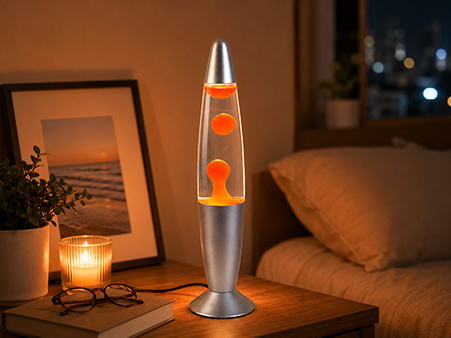
When global B2B buyers and gift shop retailers source commercial lava lamps, identifying manufacturing quality is critical to avoiding product returns and ensuring safety compliance. High-quality commercial lava lamps are defined by three core benchmarks: high-borosilicate scratch-resistant glass, certified non-toxic paraffin wax formulas that prevent cloudiness, and strict thermal safety compliance including CE, RoHS, and UL certifications.
How to Identify High-Quality Motion Lighting for Wholesale