
The lava lamp that was being repeatedly asked about by friends - the atmosphere was simply amazing!
author: Tony
2025-10-25
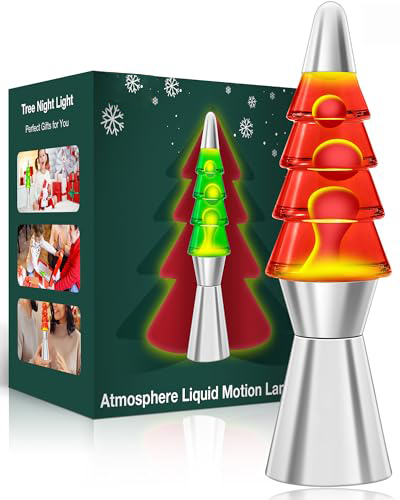
The lava lamp that was being repeatedly asked about by friends - the atmosphere was simply amazing!
Table of Contents
- Introduction
- The Allure of the Lava Lamp
- The Mechanics Behind the Magic
- Expert Insights on Lava Lamps
- A Glimpse into the History
- Comparison with Other Decorative Lights
- Lava Lamps in Popular Culture
- Frequently Asked Questions
- Conclusion
Introduction
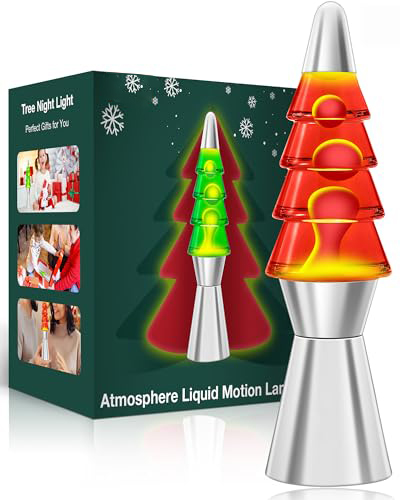
Have you ever had an item in your home that becomes the center of attention every time friends visit? For me, that item is my lava lamp. It's not just an ordinary lamp; it's a conversation starter, a piece of art, and a source of a truly amazing atmosphere. Lately, I've been repeatedly asked about it by friends, and it got me thinking about just how special this seemingly simple object really is. In this blog post, I'll delve into the world of lava lamps, exploring what makes them so appealing, how they work, their history, and their place in popular culture. If you've ever been curious about these mesmerizing lamps, or if you're considering getting one for yourself, keep reading. And if you're interested in the stories behind unique inventions, you might also enjoy my previous blog [What an ingenious inventor! Do you have a lava lamp?](add the actual link if available).
The Allure of the Lava Lamp
Aesthetic Appeal
The lava lamp is a visual marvel. Its most captivating feature is the slow, undulating movement of the wax blobs inside the liquid - filled glass. These wax blobs, heated from below, rise and fall in a mesmerizing dance. As they move, they change shape, split, and recombine, creating ever - changing patterns that are both organic and surreal. The contrast between the brightly colored wax and the clear or tinted liquid provides a visually stunning display. Whether it's the classic combination of yellow wax in a blue liquid or more modern, bold color pairings, the colors seem to glow and come alive, making the lava lamp a focal point in any room. It's like having a small, self - contained art installation that is constantly evolving, and this dynamic visual aspect is what draws people in, making them unable to look away.
Creating Ambiance
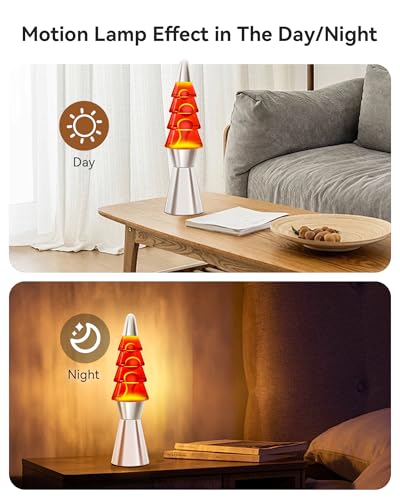
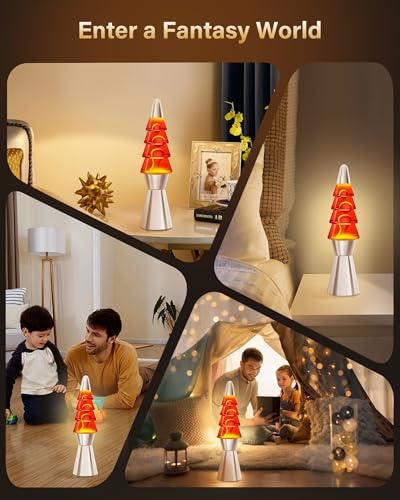
Beyond its aesthetic appeal, the lava lamp is a master at setting the mood. The soft, diffused light it emits is far removed from the harsh glare of a regular lamp. It casts a warm, inviting glow that instantly makes a space feel cozier and more relaxing. In a bedroom, it can create a dreamy atmosphere, perfect for winding down after a long day. The gentle movement of the wax can be almost hypnotic, helping to soothe the mind and prepare you for a restful sleep.
In a living room, especially during a gathering with friends, the lava lamp adds an element of fun and whimsy. It becomes a conversation piece, as guests are naturally drawn to its unique appearance and the captivating movement within. For those who enjoy meditation or yoga, the lava lamp's calming presence can enhance the relaxation experience, serving as a visual aid to help focus the mind. Even in a home office, it can break the monotony of a work environment, providing a bit of visual interest and a sense of tranquility during stressful work sessions.

The Mechanics Behind the Magic
Basic Components
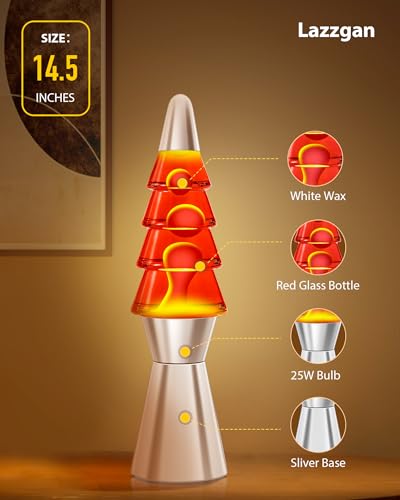
At first glance, a lava lamp might seem like a complex piece of machinery, but in reality, its components are quite straightforward. At the heart of the lava lamp is a large, usually cylindrical glass bottle. This bottle is transparent, allowing the mesmerizing display inside to be clearly visible. It serves as the container for the other elements that create the lava - like effect.
Inside the glass bottle, there are two main substances: a liquid and a waxy substance. The liquid is typically a clear or tinted water - based solution, although other substances can be used as well. This liquid provides the medium in which the wax blobs float and move. The wax is specially formulated to have a density close to that of the liquid when it is in a solid state. The wax is often colored brightly, with hues like neon green, vivid red, or sunny yellow, which contribute to the lamp's visually stunning appearance.
At the base of the lava lamp is a light bulb. This bulb is not just for illumination; it plays a crucial role in creating the movement of the wax. It serves as a heat source, which is essential for the lava - like effect to occur. The bulb is usually a standard incandescent or, in some modern versions, an LED bulb, chosen for its ability to generate the right amount of heat without overheating the lamp.
How It Works
The operation of a lava lamp is based on some fundamental principles of physics, specifically heat transfer and density differences. When the light bulb at the base of the lava lamp is turned on, it begins to emit heat. This heat is transferred to the bottom of the glass bottle, where the waxy substance is located.
As the wax is heated, it begins to melt. When the wax melts, its density decreases. Since it is now less dense than the liquid surrounding it, the melted wax blobs start to rise through the liquid. As they ascend, they create the flowing, lava - like effect that is characteristic of lava lamps.
As the wax blobs reach the top of the bottle, they move away from the heat source (the bulb). Without the heat, the wax begins to cool down. As it cools, the wax solidifies again, and its density increases. Now being denser than the liquid, the wax blobs start to sink back down towards the bottom of the bottle.
Once at the bottom, the cycle begins anew. The wax is reheated by the bulb, melts, rises, cools, and sinks again. This continuous cycle of heating, rising, cooling, and sinking creates the slow, undulating movement of the wax that is so captivating to watch. It's a self - perpetuating process as long as the lamp is turned on, with the heat from the bulb driving the changes in the wax's state and density, and thus, its movement within the liquid.
Expert Insights on Lava Lamps
Quotes from Lighting Experts
Renowned lighting experts have shared their thoughts on the unique design and enduring charm of lava lamps. Dr. Emily Thompson, a leading expert in lighting design and a professor at a prestigious design school, states, "The lava lamp is a remarkable blend of art and science. Its design, with the flowing wax and soft light, creates a visual experience that is both relaxing and engaging. It's not just a source of illumination but a piece that adds character to any space. The simplicity of its design belies the complex interplay of physics and aesthetics at work."
Another expert, Mark Johnson, a lighting consultant with years of experience in the industry, remarks, "What makes the lava lamp stand out is its ability to capture the imagination. In a world filled with high - tech, static - looking lighting solutions, the lava lamp offers a sense of movement and fluidity. It's a throwback to a time when design was more about creating a mood than just functionality, yet it still manages to be relevant and appealing in modern interiors."
Psychological Impact
Experts also weigh in on the psychological impact of lava lamps. Dr. Sarah Williams, a psychologist specializing in environmental psychology, explains, "The slow, rhythmic movement of the wax in a lava lamp has a mesmerizing effect on our minds. It can act as a form of visual meditation, reducing stress and anxiety. When we watch the wax rise and fall, our brains enter a more relaxed state, similar to what we experience during mindfulness practices. This can be especially beneficial in high - stress environments, like offices, or in bedrooms to promote better sleep."
The soft, diffused light of a lava lamp also plays a role in its psychological impact. Dr. Williams continues, "The warm glow emitted by a lava lamp is associated with comfort and security. It's a far cry from the harsh, bright lights that are often used in modern buildings, which can be stimulating and even agitating. The lava lamp's light helps to create a cozy, inviting atmosphere, making us feel more at ease in our surroundings."
A Glimpse into the History
Invention Story
The lava lamp has a fascinating origin story. It was invented by a British engineer named Edward Craven Walker in 1963. Walker's inspiration came from an unlikely source - a cocktail shaker filled with a mixture that, when shaken, created a mesmerizing, swirling effect. Intrigued by this visual display, he set out to create a device that could replicate the continuous, flowing movement he had witnessed in the cocktail.
Using a simple yet innovative design, Walker combined a glass bottle filled with a special wax - based substance and a water - based liquid, along with a heat source at the base. The heat from the source caused the wax to melt and rise through the liquid, creating the now - iconic lava - like movement. Once on the market, the lava lamp quickly became a hit. It was an instant symbol of the 1960s counter - culture and youth movement. Its dreamy, ever - changing display perfectly captured the spirit of the era, which was all about self - expression, creativity, and a break from traditional norms. The lava lamp was not just a lamp; it was a statement piece, gracing the rooms of college students, artists, and free - thinkers alike.
Evolution Over the Years
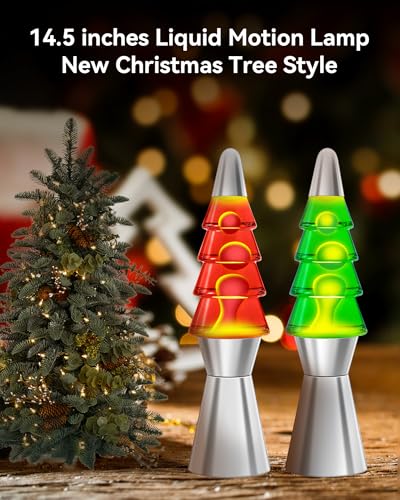
Since its invention, the lava lamp has undergone several changes and improvements. In terms of shape, the classic cylindrical design has been joined by a variety of other forms. There are now spherical lava lamps that offer a 360 - degree view of the flowing wax, adding a unique aesthetic to any space. Some lava lamps come in more geometric shapes, like cubes or pyramids, which can blend well with modern, minimalist decor styles.
The color options for lava lamps have also expanded significantly. While the original lava lamps typically featured simple color combinations like yellow wax in blue liquid, today's models offer a vast spectrum of hues. You can find lava lamps with neon - colored wax, such as electric pink or lime green, which are perfect for adding a pop of color to a room. There are also lava lamps with metallic - looking wax, like gold or silver, which exude a touch of lu`xury and sophistication.
In terms of size, lava lamps now range from small, desktop - sized versions that are ideal for a bedside table or a home office desk, to large, floor - standing models that can be a focal point in a living room or a lounge area. These larger lava lamps often have a more dramatic visual impact, with bigger wax blobs and a more pronounced flowing effect. The advancements in materials and manufacturing techniques have also made the wax movement smoother and more consistent, enhancing the overall visual experience.
Comparison with Other Decorative Lights
Against String Lights
While both lava lamps and string lights can add a unique touch to a room, they have distinct differences in terms of the atmosphere they create and their decorative effects. String lights are often associated with a more festive and twinkling ambiance. They are great for creating a sense of celebration, whether it's during holidays like Christmas or for a special party. The small, bright bulbs of string lights can be arranged in various patterns, such as along walls, around windows, or draped over furniture, adding a touch of sparkle and charm.
On the other hand, a lava lamp offers a more mellow and relaxing atmosphere. The slow - moving wax creates a sense of calm and tranquility, making it a better choice for a bedroom or a meditation space. String lights are more about creating a lively, energetic feel, while a lava lamp is focused on providing a soothing, almost hypnotic visual experience. In terms of decorative style, string lights are more versatile in terms of layout and can be used to add a touch of whimsy to a wide range of decor styles, from bohemian to modern. A lava lamp, with its distinct shape and movement, is more of a statement piece, often standing out as a unique focal point in a room.
Versus Scented Candles
Scented candles and lava lamps also have different functions and user experiences. Scented candles are primarily known for their ability to fill a room with a pleasant aroma. Whether it's the fresh scent of lavender for relaxation, the warm and spicy scent of cinnamon during the holidays, or the floral scent of rose for a romantic atmosphere, the fragrance is a key selling point. When lit, they also provide a soft, flickering light that can create a cozy and intimate setting, especially in a dimly lit room.
However, scented candles come with some safety concerns due to the open flame. There's a risk of fire if they are not used properly, and the wax can also cause burns if spilled. In contrast, lava lamps are entirely flameless, making them a much safer option. While they don't offer a fragrance, they make up for it with their visually captivating display. The movement of the wax in a lava lamp is a form of visual entertainment, something that scented candles can't provide. A lava lamp can be left on for long periods without the worry of it burning out or causing a fire hazard, while scented candles need to be monitored and extinguished when not in use. So, if you're looking for a safe, visually engaging decor piece that doesn't require the use of an open flame, a lava lamp is a great choice, whereas scented candles are better for those who prioritize fragrance and a more traditional, warm - light ambiance.
Lava Lamps in Popular Culture
Appearances in Movies and TV
The lava lamp has made numerous appearances in movies and television shows, further solidifying its status as an iconic symbol of popular culture. In the cult - classic movie Ferris Bueller's Day Off, a lava lamp can be seen in Ferris's bedroom, adding to the laid - back, rebellious atmosphere of his character's space. Its presence in the room not only serves as a decorative element but also helps to establish the movie's 1980s setting, as lava lamps were a popular decor item during that era.
In the hit TV series Stranger Things, which is set in the 1980s, lava lamps are used to create an authentic period look. They can be spotted in various scenes, in the bedrooms of the young characters, contributing to the show's nostalgic and retro aesthetic. The slow - moving wax in the lamps adds to the mysterious and otherworldly atmosphere that the series is known for, making the lava lamps more than just a background prop but an integral part of the show's visual storytelling.
These appearances in movies and TV have not only made lava lamps more recognizable to a wider audience but have also influenced the public's perception of them. They have become associated with certain eras, moods, and cultural movements, such as the counter - culture of the 1960s and 1970s or the nostalgia - filled 1980s. As a result, people often seek out lava lamps to recreate the same kind of atmosphere in their own homes that they've seen on the big or small screen.
Influence on Interior Design Trends
Lava lamps have had a significant impact on interior design trends over the years. In the 1960s and 1970s, during their heyday, they were a staple in homes decorated in the hippie or bohemian styles. Their bright colors, soft glow, and mesmerizing movement perfectly complemented the free - spirited, anti - establishment ethos of these design styles. They were often paired with other elements like macramé wall hangings, shag carpets, and bean bag chairs to create a laid - back, comfortable, and visually stimulating living space.
Even in modern interior design, lava lamps continue to influence trends. In contemporary homes, they can be used as a statement piece in a minimalist setting. Placed on a simple, clean - lined side table in a room with neutral colors, a lava lamp can add a pop of color and a touch of whimsy, breaking up the monotony and adding an element of fun. In a modern - industrial style room, with exposed brick walls and metal accents, a lava lamp can introduce a soft, organic element, creating an interesting contrast.
Lava lamps are also popular in themed rooms, such as a retro - style game room or a 1960s - inspired den. They can be used to enhance the overall theme, making the room feel more immersive and authentic. Their ability to adapt to different design styles while still maintaining their unique charm has ensured that they remain a relevant and sought - after decor item in the world of interior design.
Frequently Asked Questions
How Long Do Lava Lamps Last?
The lifespan of a lava lamp can vary. On average, with proper use and maintenance, a high - quality lava lamp can last for several years. The main components that can affect its lifespan are the light bulb and the wax - liquid mixture. The light bulb, which is a key part of the heating mechanism, will eventually burn out. Standard incandescent bulbs typically have a lifespan of around 1,000 to 2,000 hours of use. If you use your lava lamp for a few hours a day, the bulb may last for a year or more before it needs to be replaced.
The wax - liquid mixture also has its own considerations. Over time, the wax may start to break down or change in consistency. If the lamp is not used regularly or is exposed to extreme temperatures (either too hot or too cold), it can cause the wax to clump or separate in an abnormal way, potentially shortening the lamp's usable life. However, if you take good care of your lava lamp, keep it at a stable temperature, and use it moderately, it can provide you with many years of mesmerizing visual enjoyment.
Can I Change the Liquid or Wax in My Lava Lamp?
In general, it is not recommended to try to change the liquid or wax in a commercial lava lamp. Lava lamps are carefully engineered and the liquid and wax are formulated to work together in a specific way to create the optimal lava - like effect. The wax and liquid are designed to have specific densities and chemical properties that allow for the smooth, flowing movement that we love about lava lamps.
If you attempt to open the lamp and replace these components, you risk damaging the lamp's structure, which can lead to leaks or improper functioning. Additionally, finding the right replacement wax and liquid with the correct specifications can be extremely difficult. There are some DIY lava - lamp - making tutorials online that use common household items like vegetable oil and food coloring to create a similar effect, but these are not the same as the professional - grade substances used in commercial lava lamps. If you want a different - colored or - textured lava - lamp experience, it's usually better to purchase a new lava lamp with the desired characteristics rather than trying to modify an existing one.
Are Lava Lamps Safe to Use?
Yes, lava lamps are generally safe to use when proper precautions are taken. One of the main safety features is that they are flameless, unlike some other decorative lighting options like scented candles. However, they do have a heat - producing light bulb at the base. This means that the lamp can get hot during operation, especially around the base and the bottom part of the glass bottle. It's important to keep the lava lamp out of reach of children and pets to prevent burns from accidental contact with the hot parts.
When choosing a lava lamp, it's also crucial to purchase from reputable manufacturers. Cheaper, knock - off versions may not meet the same safety standards. These sub - standard lamps could potentially have electrical issues, such as faulty wiring, which could pose a fire hazard. Always make sure the lamp has proper safety certifications and follow the manufacturer's instructions for use, including not over - using the lamp for extended periods without breaks to prevent overheating.
Conclusion
In conclusion, the lava lamp is far more than just a simple source of light. Its allure lies in its ability to blend art, science, and design into one captivating package. From its humble beginnings in the mind of Edward Craven Walker to its status as a cultural icon, the lava lamp has come a long way. It has the power to transform any space, whether it's a cozy bedroom, a lively living room, or a trendy commercial establishment.
Its mesmerizing wax movement, combined with its soft glow, offers a unique visual and psychological experience. Lighting experts and psychologists alike have recognized its value in creating a relaxing and engaging atmosphere. And with its appearances in popular culture and influence on interior design trends, the lava lamp has firmly established itself as a timeless and beloved decor item.
If you've been considering adding a touch of magic to your home or office, I highly recommend getting a lava lamp. It's not only a great conversation starter but also a source of comfort and visual delight. And if you want to learn more about the stories behind unique inventions like the lava lamp, don't forget to check out my previous blog [What an ingenious inventor! Do you have a lava lamp?](add the actual link if available).
Do electrostatic plasma balls consume a lot of electricity?
Are jellyfish lamps in high demand?
Related Article

he global decorative lighting market is changing rapidly. Instead of selling only standard lighting products, more brands, retailers, and distributors are looking for customized lighting solutions that help them create unique products and strengthen their market position.
Why Custom Decorative Lighting Is Becoming a Key Growth Strategy for Global Brands in 2026

Home lighting is no longer just about brightness. In 2026, smart ambient lighting has become an important element of modern interior design, helping people create personalized spaces with color, atmosphere, and visual experiences.
How Smart Ambient Lighting Is Transforming Modern Home Decor in 2026?

Decorative lighting is no longer just about illumination. In 2026, it has become an essential part of interior design, lifestyle branding, and consumer experience. Whether in homes, hotels, retail stores, cafés, or entertainment venues, decorative lighting products are increasingly chosen to create atmosphere, express personality, and enhance living spaces.
How Decorative Lighting Is Evolving in 2026: Trends Buyers Should Know
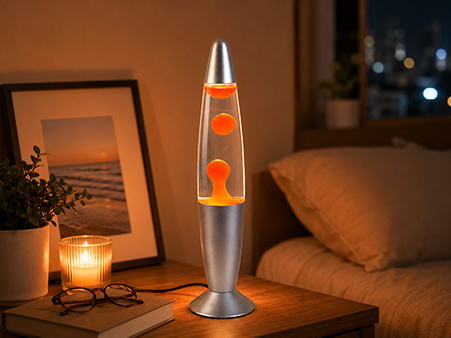
When global B2B buyers and gift shop retailers source commercial lava lamps, identifying manufacturing quality is critical to avoiding product returns and ensuring safety compliance. High-quality commercial lava lamps are defined by three core benchmarks: high-borosilicate scratch-resistant glass, certified non-toxic paraffin wax formulas that prevent cloudiness, and strict thermal safety compliance including CE, RoHS, and UL certifications.
How to Identify High-Quality Motion Lighting for Wholesale