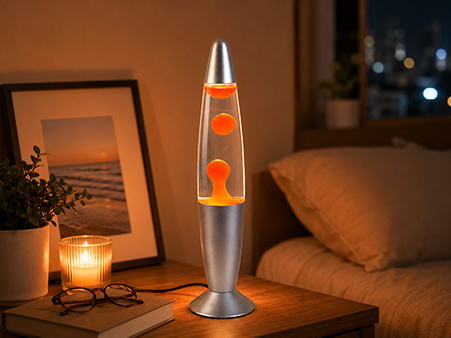
Dream Jellyfish Lamp, Say Goodbye to Insomnia, Sweet Night Dream

Dream Jellyfish Lamp, Say Goodbye to Insomnia, Sweet Night Dream
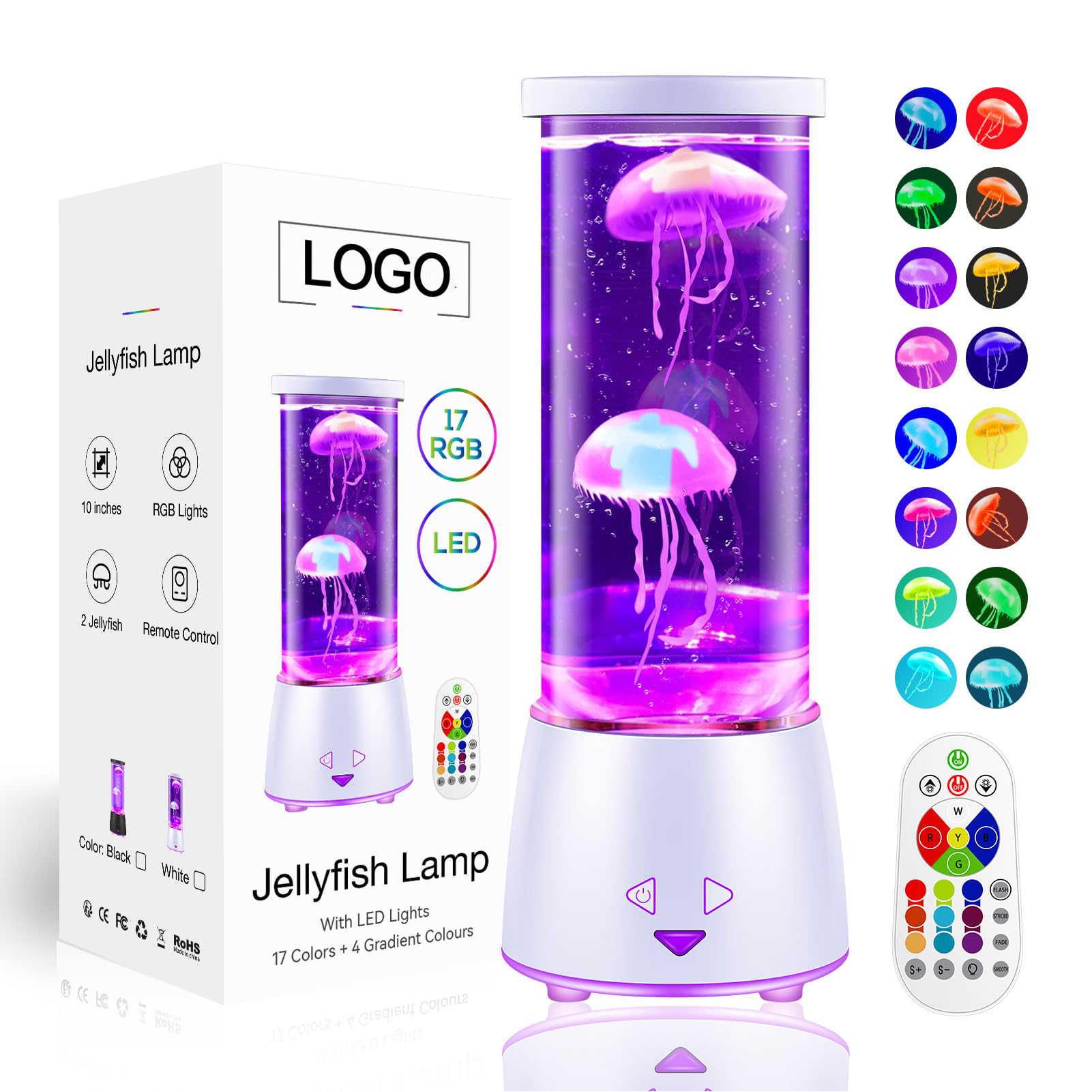
Table of Contents
- Introduction: How the Dream Jellyfish Lamp Fights Insomnia
- Why the Dream Jellyfish Lamp Works for Better Sleep (Science Behind It)
- 3 Simple Ways to Use the Dream Jellyfish Lamp for Sweet Dreams
- Expert View: The Dream Jellyfish Lamp as an Insomnia Relief Tool
- FAQs: Using the Dream Jellyfish Lamp for Sleep
- Conclusion: Let the Dream Jellyfish Lamp Guide You to Restful Nights

1. Introduction: How the Dream Jellyfish Lamp Fights Insomnia
Insomnia can turn nights into endless struggles—staring at the ceiling, racing thoughts, and the frustration of “just wanting to sleep.” But what if a simple lamp could change that? The Dream Jellyfish Lamp isn’t just a decor piece; it’s a gentle ally against insomnia, turning restless nights into sweet, dream-filled ones. As we shared in our earlier blog Feeling Depressed? Try the Jellyfish Lamp. It Can Help You Feel Better Easily., this lamp eases stress—and stress is one of the biggest causes of insomnia. Today, we’ll explore how the Dream Jellyfish Lamp specifically targets sleep struggles, helping you say goodbye to insomnia and hello to restful nights.

2. Why the Dream Jellyfish Lamp Works for Better Sleep (Science Behind It)
The Dream Jellyfish Lamp doesn’t “cure” insomnia, but it addresses the physical and mental barriers that keep you awake—all through its thoughtful design:
- Regulates Melatonin with Soft Light: Harsh blue light (from phones, TVs, or overhead bulbs) suppresses melatonin (the “sleep hormone”). The lamp’s warm, dimmable glow (no harsh blue hues!) lets your body naturally produce melatonin, signaling it’s time to sleep. Unlike bright lights that jolt you awake, its softness eases your brain into a sleepy state.
- Calms Racing Thoughts with Slow Motion: Insomnia often comes with overactive minds. The lamp’s floating jellyfish move in a slow, predictable rhythm—like ocean waves at night. Studies show repetitive, gentle motion lowers cortisol (stress hormone) and quiets mental chatter, making it easier to stop “overthinking” and drift off.
- Creates a “Sleep-Friendly” Bedroom Vibe: Your brain associates spaces with habits—if your bedroom feels like a “stress zone” (laptops, work papers), it’s hard to sleep. The Dream Jellyfish Lamp turns it into a “calm zone”: its dreamy glow and soft motion tell your brain, “This is where you rest,” training your body to feel sleepy just by being in the room.
3. 3 Simple Ways to Use the Dream Jellyfish Lamp for Sweet Dreams
You don’t need a complicated routine—just these small steps to maximize the lamp’s sleep power:
- Turn It On 30 Minutes Before Bed: Give your body time to adjust. Flip on the lamp while you do a calming pre-sleep activity (read a physical book, drink warm tea, or stretch gently). By the time you lie down, your melatonin levels will be up, and your mind will be calmer.
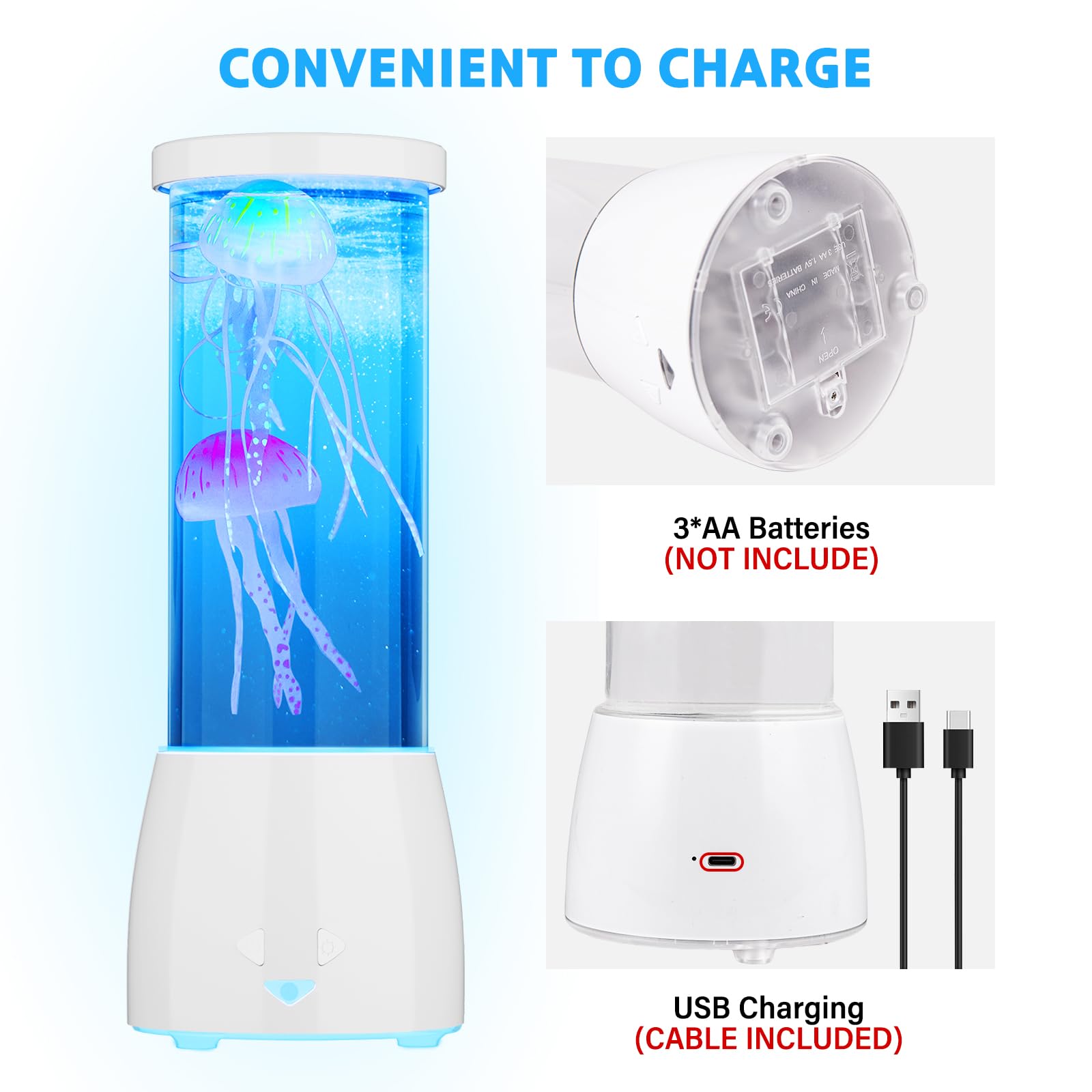
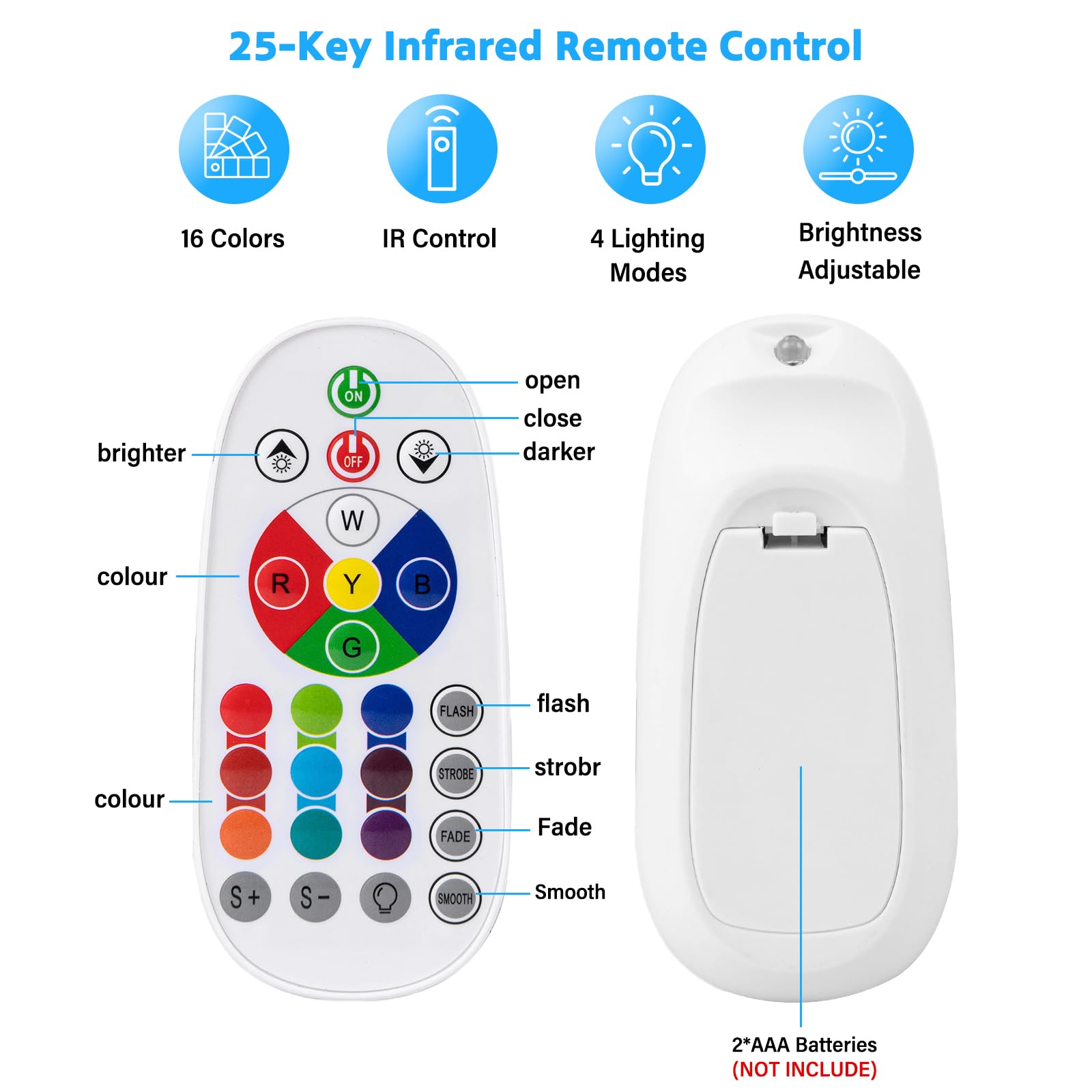
- Choose the Right Light Setting: Skip bright or colorful modes—opt for warm white or soft pale blue. These hues are the most sleep-friendly: warm white feels like candlelight (no harshness), while pale blue mimics the calm of night, without suppressing melatonin. Keep the brightness low (under 15 lumens)—just enough to see, but not enough to feel “awake.”
- Place It Where You Can Glimpse It Easily: Put the lamp on your nightstand, slightly to the side (not directly in your face). You don’t need to stare at it—just a quick glance at the floating jellyfish when you’re lying down will calm your mind. If you wake up in the middle of the night, its soft glow will help you fall back asleep faster (no need to turn on bright lights!).
4. Expert View: The Dream Jellyfish Lamp as an Insomnia Relief Tool
We spoke to Dr. Liam Cooper, a sleep specialist with over 15 years of experience helping patients with insomnia, to get his take on the Dream Jellyfish Lamp:
“Insomnia treatments often focus on ‘fixing’ the body—but the mind is just as important,” Dr. Cooper says. “The Dream Jellyfish Lamp works because it targets both: its light regulates melatonin (body), and its motion calms the mind. It’s a ‘low-effort’ tool, which is key—people with insomnia often feel overwhelmed by ‘sleep routines,’ but this lamp fits seamlessly into their night.”
He adds, “Your earlier blog was correct to highlight its stress-relief benefits—since stress and insomnia go hand in hand, this lamp hits two birds with one stone. I often recommend it to patients who struggle with ‘bedtime anxiety’: the gentle motion gives their mind something to focus on other than ‘I can’t sleep,’ which breaks the cycle of frustration.”
5. FAQs: Using the Dream Jellyfish Lamp for Sleep
Q1: Will the lamp’s pump noise keep me awake?
A1: No! The pump is nearly silent (under 25 decibels)—quieter than a whisper or a clock tick. Most people don’t even notice it, and some say the subtle hum (if they hear it) feels like a calming “white noise” that helps them sleep.
Q2: Can I use the lamp if I have a sleep disorder (like sleep apnea)?
A2: Yes—it’s safe for most sleep disorders! The lamp doesn’t interfere with CPAP machines or other sleep treatments. It’s a “complementary tool” to help with the mental stress of sleep disorders, not a replacement for medical care. Always check with your doctor if you have severe sleep issues.
Q3: How long until I see results (better sleep)?
A3: Most people notice a difference in 3–7 nights. Your brain needs time to associate the lamp with “sleep”—after a week, you’ll likely feel calmer faster when you turn it on, and fall asleep more easily.
Q4: Is this lamp different from the one in Feeling Depressed? Try the Jellyfish Lamp...?
A4: It shares the same core design (stress relief via motion and light), but this “Dream” version has extra sleep-focused features: a “sleep timer” (auto-shuts off after 1–2 hours, so you don’t waste energy) and softer “nighttime-only” hues (no bright options that could disrupt sleep). It’s still great for easing stress—now tailored for insomnia!
Q5: What if I share a bed? Will the lamp bother my partner?
A5: Unlikely! The light is dim and directional—your partner won’t feel it if they’re on the other side of the bed. If they’re sensitive to light, you can angle the lamp slightly away from them, or use the lowest brightness setting. Many couples say it helps both of them sleep better!
6. Conclusion: Let the Dream Jellyfish Lamp Guide You to Restful Nights
Insomnia doesn’t have to be a permanent struggle—sometimes, a little “dreamy” help is all you need. The Dream Jellyfish Lamp turns your bedroom into a sleep-friendly haven: its soft light regulates your body’s sleep hormones, its slow motion calms your mind, and its gentle vibe trains your brain to associate your bedroom with rest. As we saw in our earlier blog, it eases stress—and when stress fades, sleep follows. So say goodbye to staring at the ceiling, and hello to sweet night dreams. Plug in the Dream Jellyfish Lamp, let the jellyfish float, and let sleep come easily—for the first time in a long time.
Safe and Close-Range Observation of Static Electricity: Plasma Ball
This jellyfish lamp is so relaxing! The bedroom at night instantly transforms into a dreamy ocean.
Related Article