
Fiber Optic Lamps: Illuminating a New Era Without Bulbs
author: Tony
2025-10-20
Fiber Optic Lamps: Illuminating a New Era Without Bulbs
Table of Contents

What are Fiber Optic Lamps
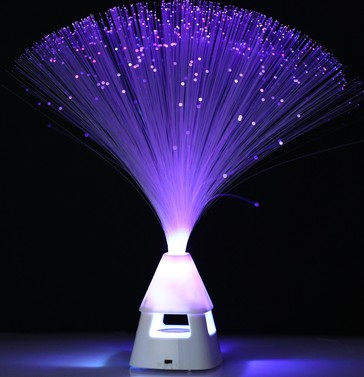
Fiber optic lamps are a unique and innovative lighting solution that have been gaining popularity in recent years. Unlike traditional lamps that rely on light bulbs, fiber optic lamps use optical fibers to transmit light, creating a soft, colorful, and visually stunning illumination effect.
These lamps typically consist of two main components: a light source and a bundle of optical fibers. The light source can be an LED (Light Emitting Diode), halogen lamp, or other types of light - emitting devices. The optical fibers, on the other hand, are thin, flexible strands made of glass or plastic. They are designed to efficiently guide light from the source to the end of the fibers, where it is emitted.
The appearance of fiber optic lamps can vary greatly. Some are designed as decorative table lamps, with a base that houses the light source and a cluster of fiber optic strands cascading down like a waterfall of light. Others may be in the form of wall - mounted fixtures, ceiling installations, or even used in outdoor landscaping to create a magical glow. The fibers themselves can be very fine, often as thin as a human hair, allowing for a delicate and elegant lighting display.

How Do Fiber Optic Lamps Work
The operation of fiber optic lamps is based on the principle of total internal reflection, a fundamental concept in optics. When light enters the optical fiber, it first hits the boundary between the core (the inner part of the fiber) and the cladding (the outer layer of the fiber). The core has a higher refractive index than the cladding.
When light travels from a medium with a higher refractive index to a medium with a lower refractive index (from the core to the cladding in this case), and the angle of incidence is greater than a certain critical angle, total internal reflection occurs. Instead of passing through the boundary into the cladding, the light is reflected back into the core. This process repeats continuously as the light travels along the fiber, allowing the light to be guided through the fiber over long distances, even if the fiber is bent.
For end - emitting fiber optic lamps, the light travels through the fiber and is emitted at the very end of the fiber. This creates a pinpoint or focused light source at the tip. In side - emitting fiber optic lamps, the cladding of the fiber is specially treated. Tiny scattering particles are added to the cladding, or the structure of the cladding is modified. As the light travels through the core and hits these modified areas in the cladding, a portion of the light is scattered out from the sides of the fiber. This results in a continuous, linear glow along the length of the fiber, creating a different and often more diffuse lighting effect compared to end - emitting fibers.
In the context of fiber optic lamps, the light source (such as an LED) first emits light. This light is then directed into the bundle of optical fibers. The light - guiding process within the fibers, based on total internal reflection, ensures that the light reaches the desired locations where it is emitted to create the lighting effect. Whether it's a single fiber creating a small, bright spot or a bundle of side - emitting fibers creating a soft, ambient glow, the principle of total internal reflection is the key to how fiber optic lamps work.

Advantages of Fiber Optic Lamps
Safety First
One of the most significant advantages of fiber optic lamps is their enhanced safety. Since they do not have traditional light bulbs, there is no risk of high - temperature burns. Traditional incandescent bulbs can become extremely hot during operation, posing a danger, especially in households with children or in areas where people may accidentally come into contact with the bulb. For fiber optic lamps, the light source is often located in a separate, enclosed unit, and the optical fibers themselves remain cool to the touch. This makes them an ideal choice for children's rooms, nurseries, or any environment where safety is a top priority. As we previously explored in the blog “Unveiling Fiber Optic Lamps: The New Favorite of Children's Toys”, fiber optic lamps are becoming increasingly popular in children's toys due to this safety feature. They can create a magical and colorful lighting effect without the worry of little hands getting burned.

Energy - Efficiency
Fiber optic lamps are highly energy - efficient. The light sources used in these lamps, such as LEDs, consume significantly less power compared to traditional incandescent bulbs. LEDs convert a higher percentage of electrical energy into light energy, reducing energy waste in the form of heat. In a fiber optic lighting system, once the light is generated by the energy - efficient source, it is transmitted through the optical fibers with minimal energy loss. According to research, fiber optic lighting systems can be up to 70% more energy - efficient than traditional lighting setups with bulbs, which not only helps in reducing electricity bills but also contributes to environmental conservation by lowering overall energy consumption.

Design Flexibility
Fiber optic lamps offer unparalleled design flexibility. The optical fibers are thin and flexible, allowing them to be shaped and arranged in various creative ways. They can be bent, twisted, and even woven into different patterns. In interior design, fiber optic strands can be used to create unique wall art, such as a glowing mural or a decorative pattern on a ceiling. In landscape design, they can be used to outline the shape of trees, shrubs, or garden paths, adding a touch of magic to outdoor spaces. For commercial displays, fiber optic lamps can be customized to highlight products in innovative ways. For example, in a jewelry store, the fibers can be arranged to focus light precisely on the gems, enhancing their sparkle. This adaptability to different design requirements makes fiber optic lamps suitable for a wide range of applications, from high - end interior decoration to artistic installations.
Expert Opinions on Fiber Optic Lamps
Dr. Emily Chen, a renowned expert in the field of lighting technology, has a very positive view of fiber optic lamps. She states, "Fiber optic lamps represent a significant leap forward in lighting technology. Their energy - efficiency and safety features make them an ideal choice for a wide range of applications, from residential to commercial settings. As we continue to focus on sustainable development and energy conservation, the demand for fiber optic lamps is only going to increase."
According to Dr. Chen, the future development potential of fiber optic lamps is vast. She predicts that in the coming years, we will see more advanced light - guiding materials being used in fiber optic lamps, further improving their efficiency and light - transmission capabilities. Additionally, with the development of smart home technology, fiber optic lamps will likely be integrated into intelligent lighting systems. They could be controlled remotely through mobile apps, synchronized with other smart devices, and adjusted according to different lighting scenarios, such as creating a warm, relaxing glow for a movie night or a bright, energetic light for a morning workout.
Another expert, Professor David Lee from a leading university's optics department, emphasizes the design - friendly nature of fiber optic lamps. He remarks, "The flexibility of fiber optic lamps allows designers to unleash their creativity. In the future, we may see fiber optic lighting being used in even more innovative ways, such as in the construction of dynamic, light - changing architectural facades or in creating immersive, interactive art installations. These lamps have the potential to transform the way we perceive and interact with light in our built environment."

Applications of Fiber Optic Lamps
In Interior Design
Fiber optic lamps have become a popular choice in interior design, adding a touch of elegance and uniqueness to any space. In bedrooms, for example, fiber optic strands can be installed on the ceiling to create a starry - sky effect. As you lie in bed, you can enjoy a realistic simulation of a night sky, with twinkling "stars" that can be adjusted to different colors and intensities. This not only creates a relaxing and romantic atmosphere but also serves as a beautiful decorative element.
In living rooms, fiber optic lamps can be used to highlight architectural features or decorative objects. They can be integrated into bookshelves, creating a soft glow that makes the books and ornaments on display more appealing. Some designers use side - emitting fiber optic cables to create light - filled panels on walls, which can change the mood of the room depending on the color and brightness of the light. These panels can be used to create a focal point in the room, such as behind a sofa or above a fireplace.
In Entertainment Industry
The entertainment industry has also embraced fiber optic lamps for their ability to create stunning visual effects. In stage performances, fiber optic lamps are often used to enhance the overall aesthetics. They can be incorporated into the stage set design, for example, to create moving light patterns that synchronize with the music and the performers' movements. In a dance performance, fiber optic - lit costumes can make the dancers stand out, as the lights on their outfits can change color and intensity, adding an extra layer of visual interest.
In theme parks, fiber optic lamps are used to create immersive environments. In a haunted - house attraction, fiber optic lamps can be used to create a spooky glow, with lights flickering in the corners to give the impression of ghosts or other supernatural entities. In a fantasy - themed area, they can be used to create magical - looking trees with glowing branches or to line the paths with a soft, otherworldly light, enhancing the sense of wonder and adventure for the visitors.
In Healthcare and Scientific Fields
In the healthcare field, fiber optic lamps play a crucial role in medical equipment. Fiber optic endoscopes use optical fibers to transmit light into the body, allowing doctors to visualize internal organs and tissues. The light source at the end of the fiber provides a clear and bright illumination, enabling accurate diagnosis. The flexibility of the optical fibers allows the endoscope to reach difficult - to - access areas of the body with minimal discomfort to the patient.
In scientific research, fiber optic lamps are used in various experiments. In fluorescence microscopy, for example, fiber optic light sources are used to excite fluorescent markers in biological samples. The light transmitted through the fibers is precisely controlled, ensuring that the fluorescence signal can be accurately detected and analyzed. This helps researchers study the structure and function of cells and molecules, contributing to advancements in fields such as biology, medicine, and materials science.
Comparison with Traditional Light Bulbs
Energy Consumption
Traditional light bulbs, especially incandescent bulbs, are notorious for their high energy consumption. Incandescent bulbs work by heating a filament until it glows, but a large portion of the electrical energy is wasted as heat. For example, a typical 60 - watt incandescent bulb converts only about 5% of the electrical energy into visible light, while the remaining 95% is dissipated as heat.
In contrast, fiber optic lamps, when paired with energy - efficient light sources like LEDs, consume far less power. As mentioned before, LEDs can convert a much higher percentage of electrical energy into light energy. A fiber optic lighting system with an LED light source can achieve significant energy savings, making it a more sustainable and cost - effective choice in the long run.
Lifespan
The lifespan of traditional light bulbs varies. Incandescent bulbs usually have a relatively short lifespan, typically around 1,000 - 2,000 hours. Fluorescent bulbs can last longer, usually between 10,000 - 20,000 hours, but they contain mercury, which poses environmental risks when they are disposed of.
Fiber optic lamps, on the other hand, have a much longer lifespan. The optical fibers themselves are made of durable materials like glass or plastic and can last for many years. The light sources used in fiber optic lamps, especially LEDs, also have a long lifespan, often reaching 50,000 - 100,000 hours. This means that fiber optic lamps require less frequent replacement, reducing maintenance costs and waste.
Usage Scenarios
Traditional light bulbs are suitable for general illumination in most indoor and outdoor settings. However, they have limitations in certain scenarios. For example, in areas where safety is a major concern, such as children's playrooms or areas with a high risk of fire, the heat - emitting nature of traditional bulbs can be a problem.
Fiber optic lamps, with their cool - to - the - touch operation and high safety level, are ideal for these safety - sensitive areas. In addition, their design flexibility makes them perfect for creating unique lighting effects that traditional bulbs cannot achieve. Whether it's creating a soft, ambient glow in a spa or a dynamic, colorful display in a nightclub, fiber optic lamps can adapt to a wide range of creative and specialized lighting needs that go beyond the capabilities of traditional light bulbs.
FAQs about Fiber Optic Lamps
How to Install Fiber Optic Lamps?
- Prepare Tools and Materials: Gather necessary tools such as a screwdriver, wire strippers, and a voltage tester. You'll also need the fiber optic lamp kit, which typically includes the light source unit, optical fibers, and mounting hardware. Ensure you have the right type and length of optical fibers for your installation. For example, if you're creating a starry - sky effect on a ceiling, you may need a bundle of end - emitting fibers of various lengths.
- Choose the Installation Location: Decide where you want to install the fiber optic lamp. For interior applications, popular locations include ceilings, walls, or within furniture. Consider the overall aesthetic and the desired lighting effect. If it's for a bedroom, a soft, diffused light from side - emitting fibers on the walls can create a relaxing atmosphere.
- Mount the Light Source: The light source should be installed in a well - ventilated area, away from heat sources and moisture. Use the provided mounting brackets to attach it securely to a wall or a ceiling joist. Connect the power cord to a suitable electrical outlet, making sure to follow all electrical safety codes.
- Lay the Optical Fibers: For end - emitting fibers, carefully route them to the desired locations. They can be hidden behind trim, in wall cavities, or under furniture. If using side - emitting fibers, attach them to the surface where you want the light to be emitted, such as along the edges of a bookshelf or around a mirror. Secure the fibers in place using cable ties or adhesive clips, being careful not to bend them too sharply as this can cause light loss. The minimum bending radius for most optical fibers is usually several times their diameter, so always check the manufacturer's guidelines.
- Connect the Fibers to the Light Source: Insert the ends of the optical fibers into the light source unit according to the manufacturer's instructions. This may involve using special connectors or simply pushing the fibers into a designated slot. Make sure the connections are secure to ensure optimal light transmission.
- Test the Installation: Before finalizing the installation, turn on the light source to check if the fibers are emitting light as expected. If there are any issues, such as dim or non - emitting fibers, double - check the connections and the fiber routing.
Note:
- Always ensure the power is turned off during the installation process to avoid electrical hazards.
- When handling optical fibers, be careful not to scratch or damage the outer coating, as this can affect light transmission.
- If you're unsure about any part of the installation, especially the electrical connections, it's advisable to consult a professional electrician.
What to Do if the Fiber Optic Lamp Stops Working?
- Check the Power Source: First, ensure that the light source unit is properly plugged into a working electrical outlet. Check for any tripped circuit breakers or blown fuses in your electrical panel. If the power outlet is controlled by a switch, make sure the switch is turned on. You can also try plugging another electrical device into the same outlet to confirm if it's providing power.
- Inspect the Optical Fibers: Examine the optical fibers for any signs of damage. Look for kinks, cuts, or breaks, as these can disrupt light transmission. If you find a damaged fiber, carefully cut off the damaged section and re - connect the remaining parts using a proper fiber optic connector or splice kit. However, note that splicing fibers requires some technical skills, and if you're not experienced, it may be best to seek professional help. Also, check if the fibers are properly connected to the light source and the end - points. A loose connection can cause the lamp to stop working.
- Examine the Light Source: If the power and fibers seem fine, the problem may lie with the light source itself. Check if the light source is overheating. Some light sources have built - in overheating protection that may cause them to shut down. If it's overheating, ensure that there is enough ventilation around the light source unit. You can also try replacing the light - emitting component (such as an LED) if it's user - replaceable. However, if the light source is still under warranty, it's recommended to contact the manufacturer for repair or replacement.
- Check for Other Issues: In some cases, software - controlled fiber optic lamps may have issues with their control settings. If your lamp has a remote control or a mobile app for control, make sure the settings are correct. Try resetting the lamp to its default settings and then re - configuring it. Additionally, if there are any intermediate components such as signal boosters or splitters in your fiber optic system, check their functionality as well.
Are Fiber Optic Lamps Expensive?
The cost of fiber optic lamps can vary depending on several factors. The initial investment in fiber optic lamps may seem relatively high compared to some basic traditional light bulbs. The price is influenced by the quality of the components. High - quality optical fibers, especially those made of pure glass with low light - loss properties, can be costly. Similarly, advanced light sources, such as high - power LEDs with long - lasting and high - color - rendering capabilities, also contribute to the overall cost.
The complexity of the lamp design and the number of features it offers also play a role. For example, fiber optic lamps with multiple color - changing options, programmable lighting effects, or sophisticated control systems will be more expensive than basic models. Additionally, if you're looking at a large - scale installation, such as for a commercial space, the cost of the fiber optic lighting system will include not only the lamps but also the cost of installation, which can add to the overall expense.
However, when considering the long - term cost, fiber optic lamps can be more cost - effective than traditional light bulbs. As mentioned earlier, they are highly energy - efficient, which can lead to significant savings on electricity bills over time. Their long lifespan also means that you don't have to replace them as frequently as traditional bulbs, reducing the replacement cost and the hassle of changing bulbs regularly. In comparison to traditional incandescent bulbs, which have a short lifespan and high energy consumption, fiber optic lamps offer better value in the long run, despite their higher upfront cost.
What's the reason for the flickering of the fiber optic lamp?
How to Repair a Lava Lamp: A Step-by-Step Guide to Bring Back Its Glow
Related Article

he global decorative lighting market is changing rapidly. Instead of selling only standard lighting products, more brands, retailers, and distributors are looking for customized lighting solutions that help them create unique products and strengthen their market position.
Why Custom Decorative Lighting Is Becoming a Key Growth Strategy for Global Brands in 2026

Home lighting is no longer just about brightness. In 2026, smart ambient lighting has become an important element of modern interior design, helping people create personalized spaces with color, atmosphere, and visual experiences.
How Smart Ambient Lighting Is Transforming Modern Home Decor in 2026?

Decorative lighting is no longer just about illumination. In 2026, it has become an essential part of interior design, lifestyle branding, and consumer experience. Whether in homes, hotels, retail stores, cafés, or entertainment venues, decorative lighting products are increasingly chosen to create atmosphere, express personality, and enhance living spaces.
How Decorative Lighting Is Evolving in 2026: Trends Buyers Should Know
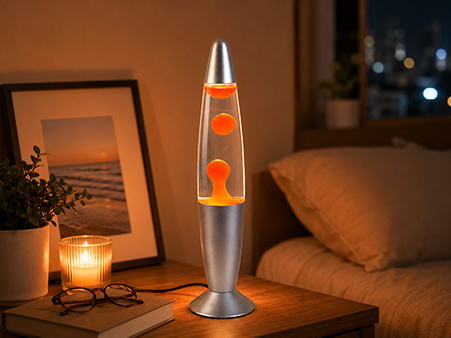
When global B2B buyers and gift shop retailers source commercial lava lamps, identifying manufacturing quality is critical to avoiding product returns and ensuring safety compliance. High-quality commercial lava lamps are defined by three core benchmarks: high-borosilicate scratch-resistant glass, certified non-toxic paraffin wax formulas that prevent cloudiness, and strict thermal safety compliance including CE, RoHS, and UL certifications.
How to Identify High-Quality Motion Lighting for Wholesale