
Analysis of the Service Life of Gorgeous LED Fiber Optic Lights: Influencing Factors and Extension Strategies
author: Tony
2025-07-02

Analysis of the Service Life of Gorgeous LED Fiber Optic Lights: Influencing Factors and Extension Strategies
Hey, have you ever wondered how long those super cool LED fiber optic lights actually last? You know, those twinkling, colorful lights that look amazing in parties, hotels, or even in your own home decor? They’re super popular these days because they look great and are also energy - friendly. But here’s the thing: their lifespan isn’t set in stone. It depends on a bunch of stuff, like what they’re made of, where you put them, and how you take care of them. Let’s break it down!
I. Lifespan Characteristics of Core Components
(一)LED Light Source: The Heart of the Light
Think of the LED light source as the heart of your fiber optic lights. On paper, a good LED chip can last anywhere from 25,000 to 50,000 hours. That’s like using it for 8 hours a day, every day, for 8 to 17 years! Compared to old - school incandescent bulbs (you know, the ones that burn out easily) or fluorescent lights (which can get dim over time), LEDs have a big advantage. They don’t have a filament that can break, and there’s no powder inside that gets old. They work based on semiconductors, so they usually keep shining bright and steady for a long time.
But in real life, a couple of things can mess with their lifespan. First up is heat. If your LED doesn’t have a good way to cool down, like a proper heat sink, it’ll age way faster—maybe even 50% quicker! And if the electricity going to the LED isn’t stable, say your voltage keeps jumping around or the power driver isn’t working right, that can also kill the LED much sooner than expected.
(二)Optical Fiber: The Silent Long - Hauler
Now, the optical fiber is a bit of a silent hero. It doesn’t actually produce light; it just carries it around. And because of that, it can last a really long time. High - quality fibers, whether they’re made of PMMA plastic or glass, can stay in good shape for 20 years or even 30 years. Sure, over time, they might start to turn a bit yellowish, especially if they’re exposed to a lot of sunlight or really high temperatures. That makes them a little less clear, but it’s a slow process.
The catch? Fibers are pretty tough, but they hate being bent too much. If you bend them at a sharp angle (less than 10 times their own diameter), you can break the tiny structures inside, and then they won’t carry light as well. So, no sharp twists and turns!
II. Influencing Factors on Lifespan in Practical Use
(一)Environmental Factors: The Sneaky Lifespan Saboteurs
Where you put your LED fiber optic lights matters a lot. Hot, humid, or super sunny places are like kryptonite for these lights. In a hot room without good air circulation, the LED will get worn out faster, and the fiber might start to degrade too. And if it’s really humid, there’s a risk of the power parts getting wet and short - circuiting.
Take this example: a shopping mall put fiber optic lights in a display window that didn’t have any ventilation. After just 3 years, the LEDs were way dimmer because they overheated. And if you use these lights outside without protecting them from UV rays, the outer layer of the fiber can get all brittle and crack within 5 years. Yikes!
(二)Frequency and Duration of Use: Little Things Add Up
How often you turn the lights on and off, and how long you keep them on, also makes a difference. Every time you flip the switch, the LED gets a little jolt of electricity. Do that too often, and it can damage the insides. And if you leave the lights on 24/7, the LED chips are constantly working overtime, which makes them lose their brightness much faster. So, try to limit use to about 12 hours a day if you can, and don’t keep switching them on and off like crazy.
(三)Maintenance: Your Lights’ Best Friend
Regular check - ups are a game - changer for your fiber optic lights. First, give the ends of the fibers a clean every few months. Dust and oil can stick to them and make the light look dull, so a quick wipe with a lint - free cloth and some alcohol does the trick. Second, don’t forget to check the power supply. Make sure the voltage is steady and there are no loose connections, or else the LEDs might suffer.
Here’s proof it works: a hotel lobby took care of their fiber optic decorations by cleaning them quarterly and checking the power once a year. Those lights ended up lasting 30% longer than similar lights that didn’t get any TLC.
III. Practical Strategies for Extending Lifespan
If you want your LED fiber optic lights to stick around for a long time, here are some easy tips. When you’re buying them, go for well - known brands that use good - quality LED chips and high - grade fibers. When installing, make sure the LEDs have a way to cool down, and don’t bend the fibers too sharply. Use a stable power supply to avoid any voltage drama.
In daily life, smart timers are your friend. They can turn the lights on and off for you, so you don’t accidentally leave them on all night. And set up a yearly routine to check the fibers for any damage and make sure the power supply is still working fine. Replace any old parts as soon as you notice they’re acting up.
To sum it all up, with the right conditions and care, your LED fiber optic lights can shine bright for 10 to 20 years. The LED part might need a replacement after 5 to 10 years, but the fiber can last way longer if you treat it right. So, take a little extra care, and you’ll get to enjoy those beautiful lights for ages!
The service life of LED optical fiber lamps
How long is the service life of the brilliant LED fiber optic light
Related Article

he global decorative lighting market is changing rapidly. Instead of selling only standard lighting products, more brands, retailers, and distributors are looking for customized lighting solutions that help them create unique products and strengthen their market position.
Why Custom Decorative Lighting Is Becoming a Key Growth Strategy for Global Brands in 2026

Home lighting is no longer just about brightness. In 2026, smart ambient lighting has become an important element of modern interior design, helping people create personalized spaces with color, atmosphere, and visual experiences.
How Smart Ambient Lighting Is Transforming Modern Home Decor in 2026?

Decorative lighting is no longer just about illumination. In 2026, it has become an essential part of interior design, lifestyle branding, and consumer experience. Whether in homes, hotels, retail stores, cafés, or entertainment venues, decorative lighting products are increasingly chosen to create atmosphere, express personality, and enhance living spaces.
How Decorative Lighting Is Evolving in 2026: Trends Buyers Should Know
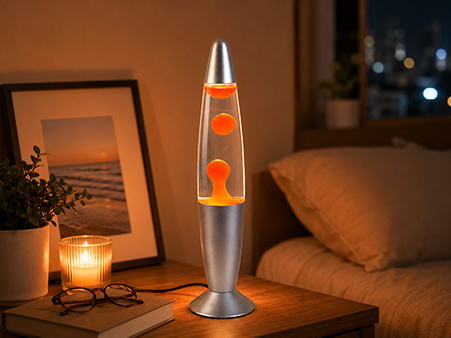
When global B2B buyers and gift shop retailers source commercial lava lamps, identifying manufacturing quality is critical to avoiding product returns and ensuring safety compliance. High-quality commercial lava lamps are defined by three core benchmarks: high-borosilicate scratch-resistant glass, certified non-toxic paraffin wax formulas that prevent cloudiness, and strict thermal safety compliance including CE, RoHS, and UL certifications.
How to Identify High-Quality Motion Lighting for Wholesale