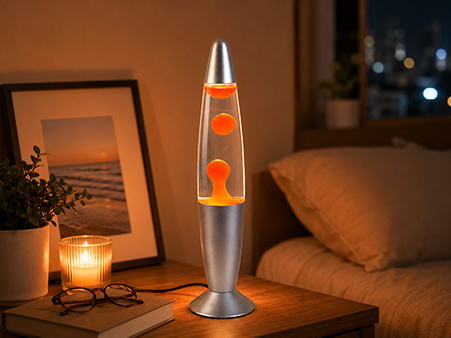
Feeling Depressed? Try the Jellyfish Lamp. It Can Help You Feel Better Easily.
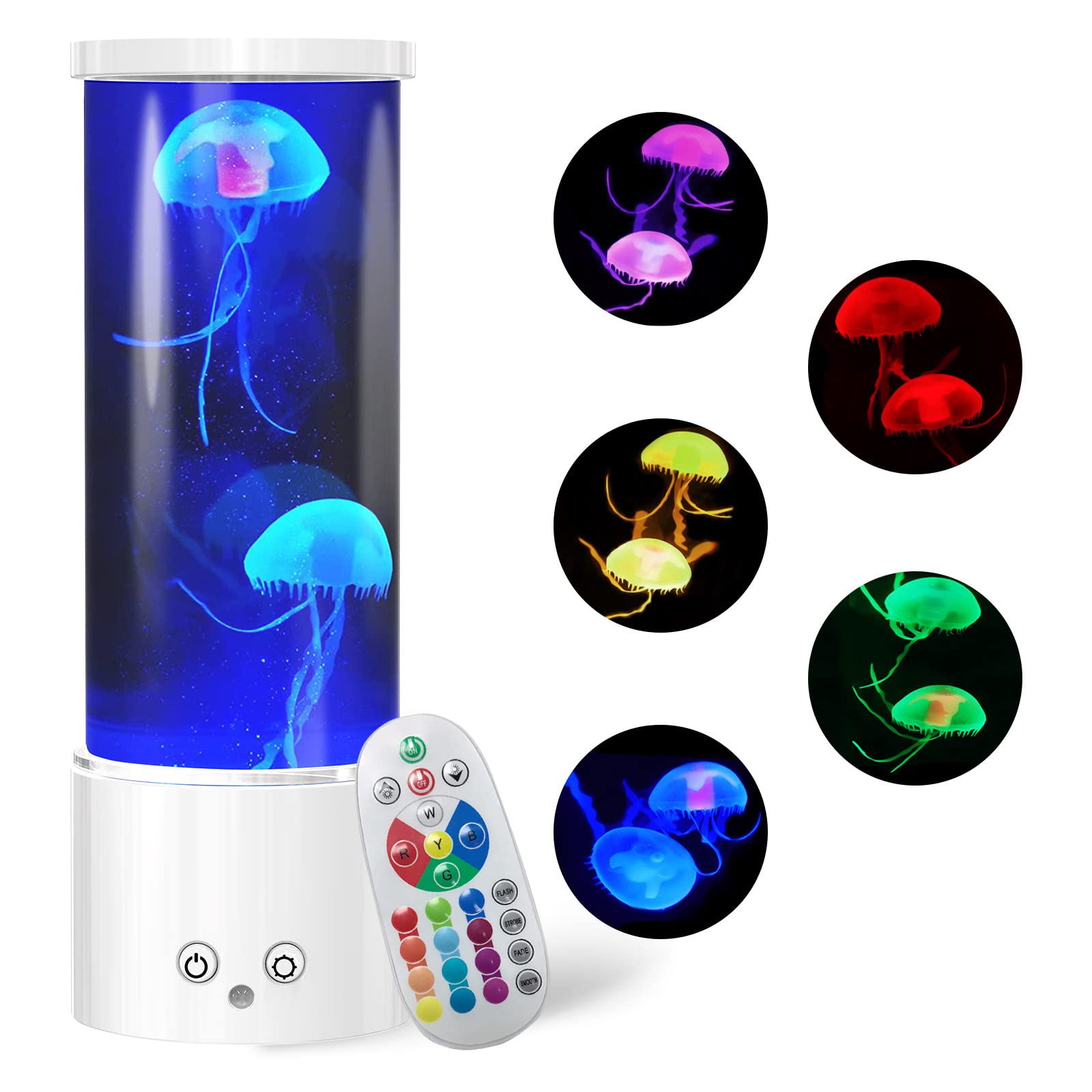
Feeling Depressed? Try the Jellyfish Lamp. It Can Help You Feel Better Easily.
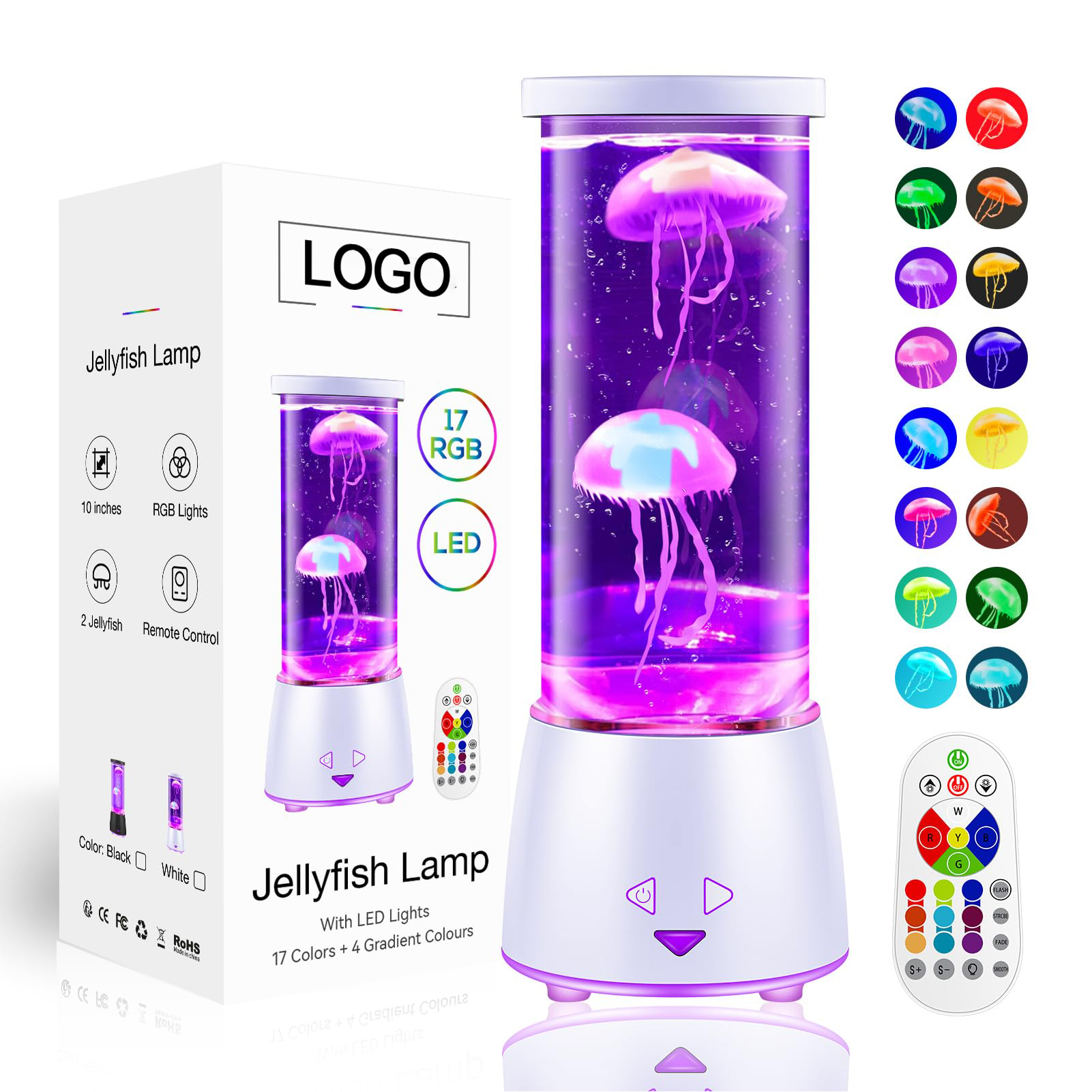
Table of Contents
- Introduction: How a Simple Jellyfish Lamp Eases Depressive Moods
- Why the Jellyfish Lamp Works for Low Moods (Science-Backed Reasons)
- How to Use the Jellyfish Lamp to Boost Your Mood Daily
- Expert Insight: The Jellyfish Lamp as a "Low-Effort Mood Helper"
- FAQs: Using the Jellyfish Lamp for Emotional Comfort
- Conclusion: Small Lamp, Big Lift for Your Mood

1. Introduction: How a Simple Jellyfish Lamp Eases Depressive Moods
When depression hits, even small, daily tasks can feel overwhelming. We often look for big solutions—therapy, medication, or major lifestyle changes—but sometimes, a tiny, calming presence is all we need to feel a little better. Enter the Jellyfish Lamp: not just a decor piece (though we called it "beautiful and dreamy" in our earlier blog A beautiful and dreamy jellyfish lamp), but a gentle tool that eases low moods with its soft light and slow-moving jellyfish. Unlike complicated self-care routines, it requires almost no effort—just plug it in, sit back, and let its quiet magic work. Today, we’ll break down why this lamp is a game-changer for anyone feeling depressed, and how it can help you feel better easily.
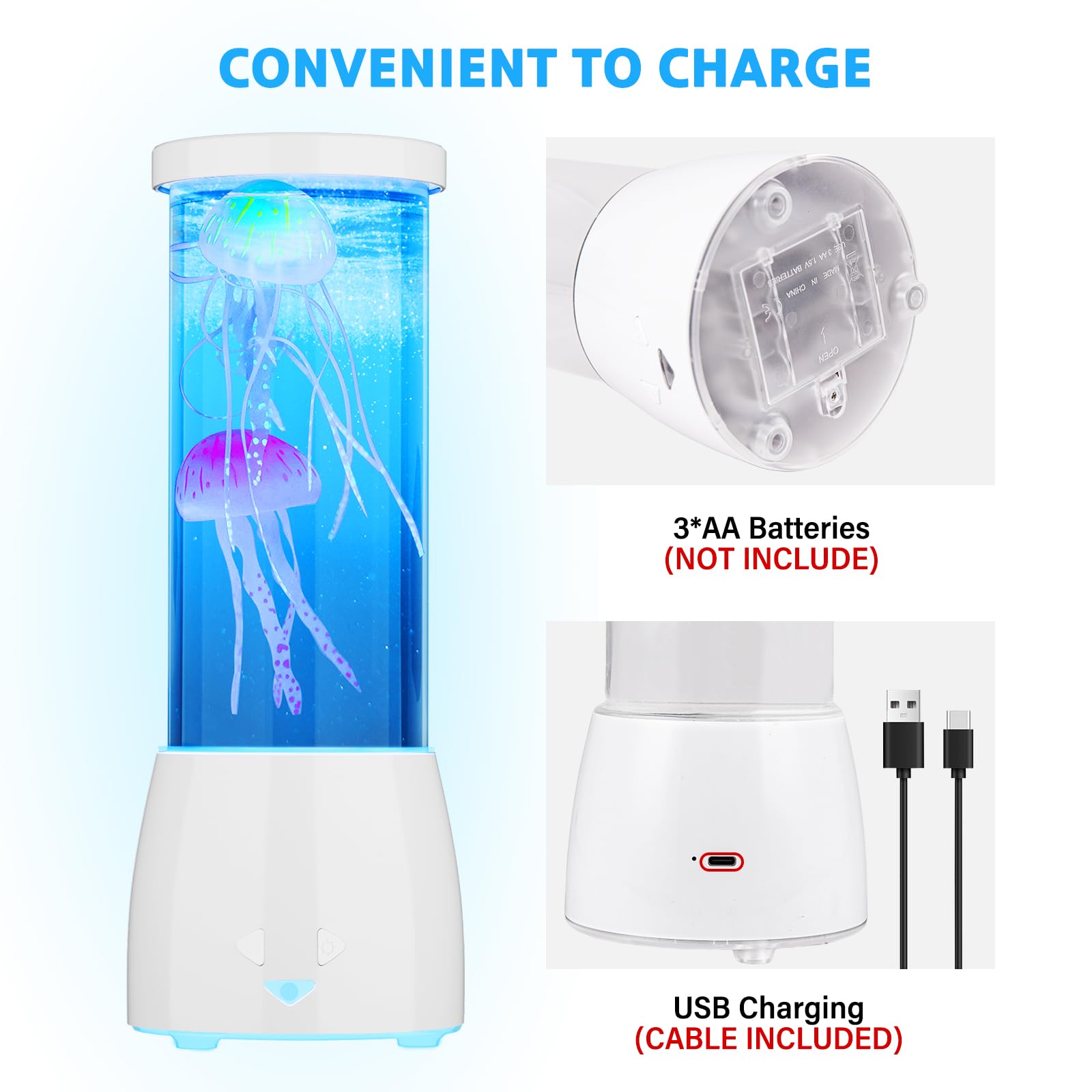
2. Why the Jellyfish Lamp Works for Low Moods (Science-Backed Reasons)
Depression often distorts our relationship with our surroundings—bright lights feel harsh, loud noises feel overwhelming, and calm feels impossible to find. The Jellyfish Lamp fixes this by targeting the senses in ways that science says reduce stress and lift mood:
- Slow, Repetitive Motion: The floating jellyfish move in a gentle, swaying rhythm—similar to ocean waves. Studies show that repetitive, predictable movements lower cortisol (the stress hormone) and activate the parasympathetic nervous system, which helps your body relax. It’s like a mini "mindfulness practice" without needing to focus.
- Soft, Customizable Light: Harsh overhead lights can worsen depressive symptoms (they disrupt melatonin and serotonin levels). The Jellyfish Lamp’s dimmable RGB LED lights let you pick soft hues—warm yellow for coziness, light blue for calm, or pastel purple for comfort. These colors don’t overstimulate, but instead signal to your brain that it’s safe to unwind.
- Visual Distraction from Negative Thoughts: When your mind is stuck in a loop of sad or anxious thoughts, the jellyfish’s slow glow gives your brain something gentle to focus on. It’s not a "distraction" in a busy way—more a "break" from rumination, which is key for easing depressive moods.
3. How to Use the Jellyfish Lamp to Boost Your Mood Daily
The best part about the Jellyfish Lamp is how easy it is to integrate into your routine—no extra effort, just small moments of calm. Here’s how to use it for maximum mood lift:
- Morning Slowdown: If waking up feels heavy, turn on the lamp with warm white light while you drink coffee or tea. The soft glow eases you into the day, instead of jolting you awake with alarms or bright screens.
- Afternoon Slump Pick-Me-Up: When depression makes the afternoon feel endless, place the lamp on your desk (or next to your couch) and switch to a light blue hue. The jellyfish’s motion will break up the monotony and help you avoid that "empty" feeling.
- Evening Wind-Down: Depression often makes bedtime a struggle—racing thoughts keep you up, or you feel too "empty" to relax. Turn the lamp to a dim, pastel color (like soft pink) and let it sit by your bed. The slow jellyfish will calm your mind, making it easier to fall asleep (and better sleep helps fight depression too).
- On "Bad Days": When you can’t leave bed or sit up for long, keep a small Jellyfish Lamp on your nightstand. Just watching the jellyfish float can give you a tiny sense of comfort—something to hold onto when everything else feels hard.
4. Expert Insight: The Jellyfish Lamp as a "Low-Effort Mood Helper"
We spoke to Dr. Lisa Chen, a clinical psychologist specializing in mood disorders, to understand why the Jellyfish Lamp works for depression:
"One of the biggest barriers to self-care when depressed is ‘effort fatigue’—even things like taking a walk or doing yoga feel like too much," Dr. Chen explains. "The Jellyfish Lamp is brilliant because it’s a ‘zero-effort mood tool.’ You don’t have to ‘do’ anything—just be near it. The slow motion and soft light tap into our innate love for calm, natural rhythms (like the ocean), which triggers a sense of safety in the brain."
She adds, "Your earlier blog was right to call it ‘dreamy’—that dreaminess is key. Depression shrinks our sense of joy, but small, beautiful things (like watching jellyfish float) can reignite that spark. It’s not a cure for depression, but it’s a ‘micro-comfort’ that adds up. Over time, those small moments of calm can help you feel more in control of your mood."
5. FAQs: Using the Jellyfish Lamp for Emotional Comfort
Q1: Will the Jellyfish Lamp’s light be too bright if I’m sensitive to light during depression?
A1: No! It’s fully dimmable—you can turn the brightness down to a soft glow (as low as 10 lumens) that’s gentle even for light-sensitive people. Avoid cool white hues if bright light bothers you; stick to warm yellow or soft blue.
Q2: Is the lamp’s pump loud? I get anxious with noise when I’m depressed.
A2: It’s nearly silent (under 30 decibels)—quieter than a fan or a whisper. You won’t hear it unless you’re inches away, so it won’t add to anxiety. Many users say the quiet hum (if they notice it at all) feels calming, like a distant ocean.
Q3: Can I leave the Jellyfish Lamp on all day? Will it overheat?
A3: Yes! Most models are designed for 24/7 use and have built-in overheat protection. The LED lights and pump stay cool, so you can leave it on while you sleep or go about your day—no safety worries.
Q4: How is this Jellyfish Lamp different from the one in A beautiful and dreamy jellyfish lamp?
A4: The core design (floating jellyfish + soft light) is the same—we still love its dreamy vibe! This updated version has a softer dimming range (better for sensitive moods) and a quieter pump, making it even more suited for easing depression. It’s still beautiful, but now it’s even more focused on emotional comfort.
Q5: Will the Jellyfish Lamp replace therapy or medication for depression?
A5: No. It’s a complementary tool, not a treatment. Therapy and medication are essential for managing depression, but the lamp can add small, daily comfort—like a hug for your mood, alongside professional help.
6. Conclusion: Small Lamp, Big Lift for Your Mood
Depression doesn’t disappear overnight, but feeling a little better can happen quickly—with the right tool. The Jellyfish Lamp is that tool: simple, low-effort, and deeply calming. As we noted in our earlier blog, it’s "beautiful and dreamy," but its real power lies in how it meets you where you are. On hard days, it’s a quiet companion; on better days, it’s a gentle reminder to slow down. It won’t fix everything, but it will give you small, consistent moments of comfort—and when you’re feeling depressed, those small moments add up to something big. If you’re looking for an easy way to feel a little better, a little calmer, or a little more grounded, the Jellyfish Lamp is worth trying. Sometimes, the smallest things can lift your mood the most.
Fiber optic lamps - it turns out that creating an atmosphere can be so simple
Unpacking Tool: Jellyfish Lamp
Related Article