Safe and Close-Range Observation of Static Electricity: Plasma Ball

Safe and Close-Range Observation of Static Electricity: Plasma Ball
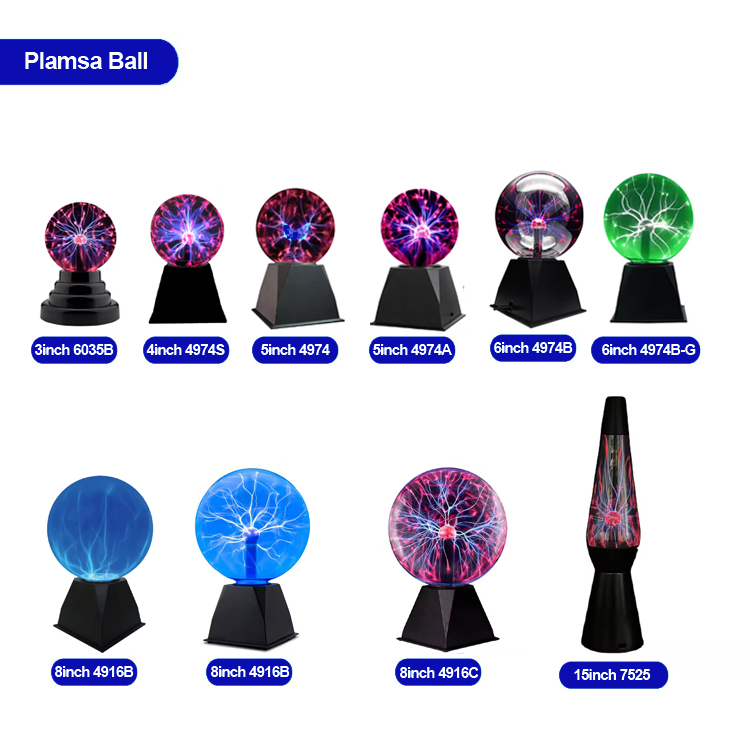
Table of Contents
- Introduction: Static Electricity and the Magic of Plasma Balls
- What Is a Plasma Ball? How Does It Work?
- Safe Close-Range Observation: Tips and Precautions
- Why Plasma Balls Are Perfect for Static Electricity Learning
- Expert Insights: The Science Behind Plasma Ball Safety
- FAQ: Common Questions About Plasma Balls & Static Observation

1. Introduction: Static Electricity and the Magic of Plasma Balls
Static electricity is a phenomenon we’ve all encountered—from zapping a doorknob after walking on carpet to seeing clothes stick together in the dryer. But observing it safely and up close often feels challenging, especially for curious learners or families. That’s where the plasma ball comes in: a mesmerizing device that turns abstract static electricity principles into a visual, interactive experience.
If you’ve ever wondered how to explore static without risk, or if you’re familiar with our earlier deep dive into compact plasma devices (check out Explore the wonderful world of 6-inch plasma balls for tips on choosing a portable model), this blog will focus on the core of safe observation. We’ll break down how plasma balls work, how to interact with them safely, and why they’re one of the best tools for understanding static electricity.
2. What Is a Plasma Ball? How Does It Work?
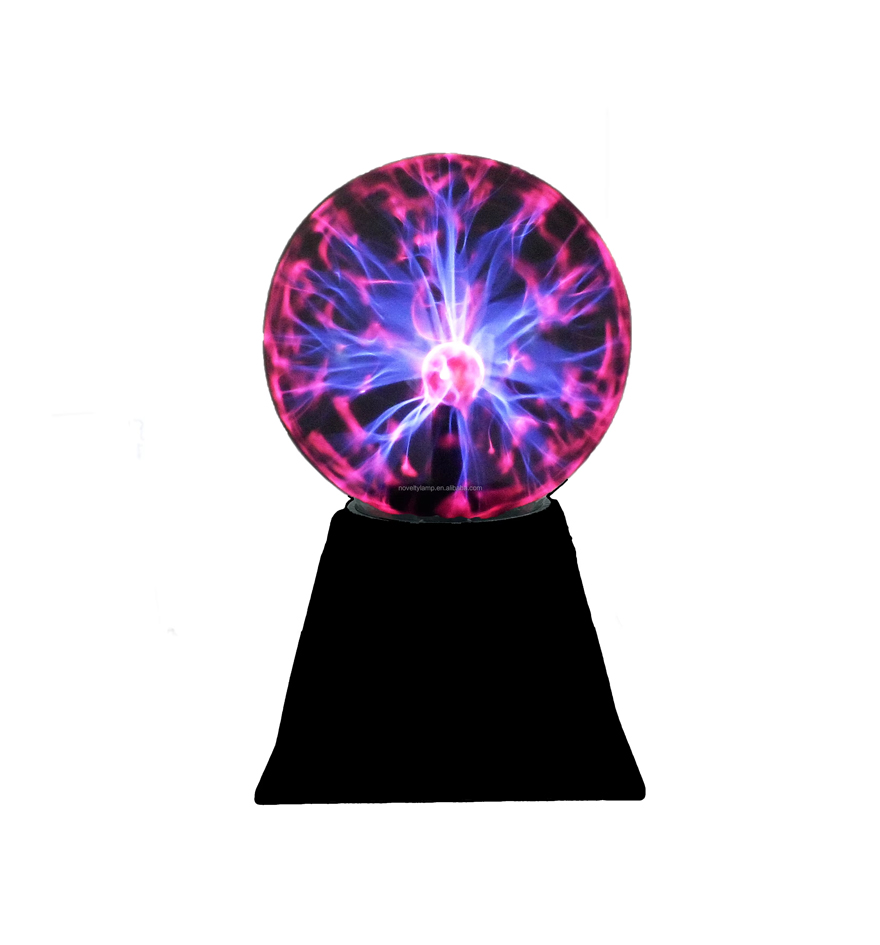
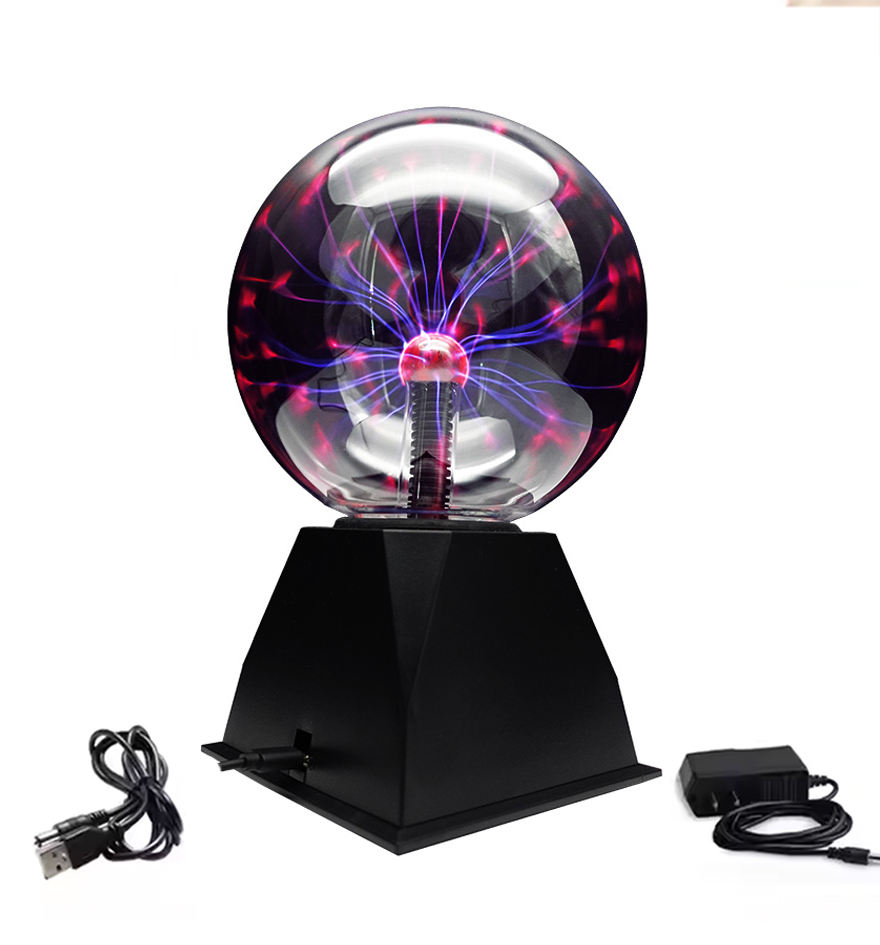
A plasma ball (also called a plasma globe or plasma lamp) is a sealed glass sphere filled with inert gases—usually neon, argon, or xenon—at low pressure. At its center is a metal electrode connected to a high-voltage, low-current power source.
Here’s the science in simple terms:
- When the device is turned on, the electrode releases high-frequency electricity. This energy ionizes the gas inside the sphere, turning it into plasma—the fourth state of matter (after solid, liquid, gas).
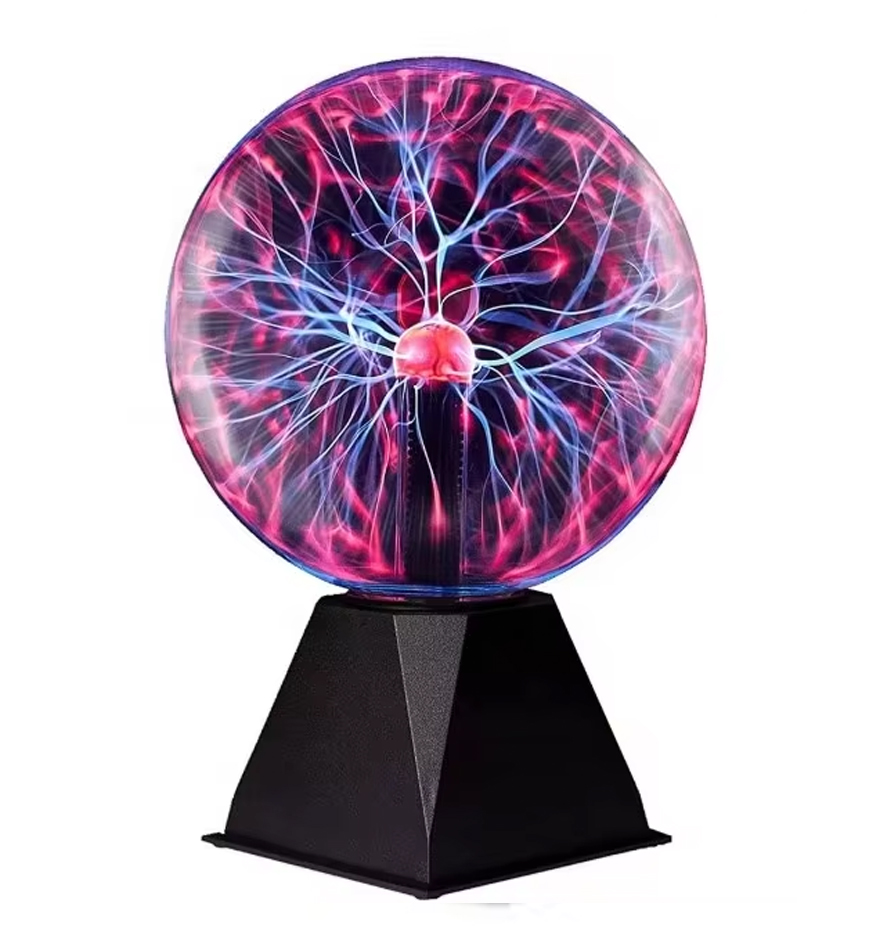
- The plasma carries an electric charge, so it’s drawn to the glass (which acts as a conductor when touched). When you place your hand on the sphere, the plasma filaments “follow” your touch, creating bright, glowing trails.
- These trails are visible evidence of static electricity in action: they show how electric charges move from a high-potential source (the electrode) to a low-potential surface (your hand).
Unlike dangerous static discharges (like lightning or a spark from a Van de Graaff generator), plasma balls use low current—making them safe for close observation when used correctly.
3. Safe Close-Range Observation: Tips and Precautions
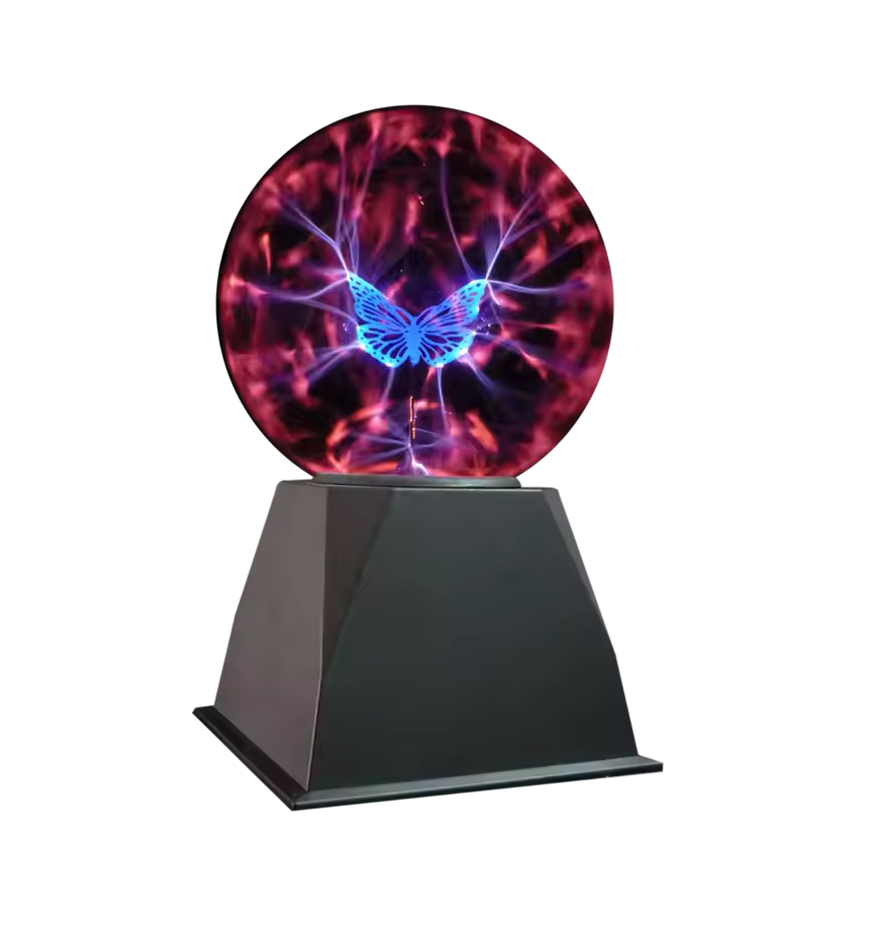
Close-range interaction with a plasma ball is part of its appeal, but safety always comes first. Follow these guidelines to enjoy the experience without risk:
3.1 Choose a High-Quality Plasma Ball
Not all plasma balls are created equal. Opt for models with certified safety ratings (e.g., CE, FCC) to ensure they meet electrical safety standards. As we highlighted in Explore the wonderful world of 6-inch plasma balls, smaller, well-made globes are ideal for home or classroom use—they’re portable and designed with low-power outputs (typically 12–24V) that reduce risk.
3.2 Keep the Sphere Dry and Intact
Never touch a plasma ball with wet hands: water increases conductivity, which could lead to a mild shock. Also, inspect the glass sphere regularly—if it’s cracked or chipped, stop using it immediately. A damaged globe may leak gas or expose the electrode, creating a hazard.
3.3 Limit Touch Time and Distance
While touching the sphere is safe for most people, avoid pressing hard or keeping your hand on it for more than 1–2 minutes at a time. The glass may warm up slightly, and prolonged contact isn’t necessary to observe the plasma effect. For children, supervise interactions and ensure they keep fingers (not faces) near the globe.
3.4 Avoid Metal or Electronic Devices Nearby
Plasma balls emit weak electromagnetic fields. Keep them at least 6 inches away from sensitive electronics (e.g., phones, laptops, pacemakers) to prevent interference. Never use a plasma ball near metal objects (like keys or coins)—these can amplify the electric field and cause unexpected sparks.
4. Why Plasma Balls Are Perfect for Static Electricity Learning
Static electricity is often taught with abstract diagrams, but plasma balls turn theory into something you can see and feel. Here’s why they’re a game-changer for learners of all ages:
- Visualization of Invisible Forces: The glowing plasma trails make electric charge movement visible. When you touch the sphere, you can watch how charges concentrate around your hand—this is the same principle that causes static cling or a doorknob zap, but much easier to understand.
- Hands-On Engagement: Unlike passive experiments, plasma balls invite interaction. Kids (and adults!) love moving their hands to “steer” the plasma, which builds curiosity and helps retain information.
- Low Risk, High Reward: Unlike other static electricity tools (e.g., electrostatic generators), plasma balls don’t produce dangerous voltages. This makes them suitable for classrooms, homeschooling, or family science nights.

5. Expert Insights: The Science Behind Plasma Ball Safety
To validate the safety of close-range plasma ball observation, we spoke with Dr. Elena Marquez, a physics professor specializing in electromagnetism at Stanford University. Here’s what she shared:
“Plasma balls are an excellent educational tool because they demonstrate static electricity and plasma physics in a low-risk format. The key to their safety is the low current—even though the voltage is high (often 10,000–50,000V), the current is less than 1 milliamp. For comparison, a typical AA battery has a current of 200–300 milliamps—so the risk of shock or injury is minimal.
That said, users should avoid modified plasma balls or those without safety certifications. A well-made globe will have built-in current limiters to prevent harm, even during close contact.”
6. FAQ: Common Questions About Plasma Balls & Static Observation
Q1: Can a plasma ball hurt you?
A: For most people, no. A standard plasma ball uses low current (≤1mA), which may cause a mild tingling sensation but won’t cause injury. However, people with pacemakers or other electronic medical devices should avoid close contact, as the electromagnetic field may interfere with their equipment.
Q2: Why do the plasma filaments follow my hand?
A: Your hand is a conductor of electricity. When you touch the glass, it creates a “low-potential” point that the charged plasma (from the high-potential center electrode) is drawn to. This is the same principle as how lightning strikes the ground—electricity flows from high to low potential.
Q3: Can I use a plasma ball to teach kids about static electricity?
A: Absolutely! Plasma balls are one of the best tools for teaching kids about static. The visual effect is engaging, and the safety profile means kids can interact with it under supervision. For younger children, pair the plasma ball with simple experiments (e.g., rubbing a balloon on hair to pick up paper) to connect the two concepts.
Q4: How long can I leave a plasma ball turned on?
A: Most plasma balls are designed for continuous use of 4–6 hours. Leaving them on longer may cause the glass to overheat or reduce the lifespan of the power source. Always follow the manufacturer’s guidelines—you can find more tips on maintenance in Explore the wonderful world of 6-inch plasma balls.
Q5: Are there different types of plasma balls for static observation?
A: Yes! Smaller models (like 6-inch globes) are great for home use, while larger ones (12–18 inches) are better for classrooms. Some plasma balls have additional features, like color-changing gases or sound activation, but these don’t affect the static electricity observation—they just add to the fun.
Choosing a birthday gift for him is so cool: plasma ball
Dream Jellyfish Lamp, Say Goodbye to Insomnia, Sweet Night Dream
Related Article