
How hot is the lava lamp? Will it cause any injuries?
author: Tony
2025-10-22
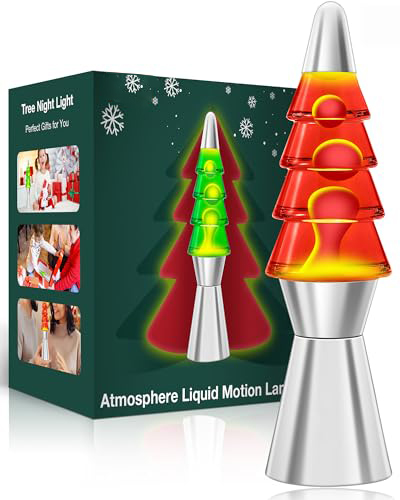
How hot is the lava lamp? Will it cause any injuries?
Table of Contents
- What is a Lava Lamp?
- How Hot is a Lava Lamp?
- Can a Lava Lamp Cause Injuries?
- Expert Opinions on Lava Lamp Safety
- Industry FAQs about Lava Lamp
- Conclusion
What is a Lava Lamp?
Definition and Appearance
A lava lamp, also known as a wax lamp, jellyfish lamp, or magma lamp, is a decorative lighting fixture that creates a mesmerizing visual effect reminiscent of flowing lava. It consists of a glass container filled with a mixture of a clear liquid and a colored, wax - like substance, usually placed on a base containing a light source, typically an incandescent bulb.
The wax inside the lamp has a density that is slightly higher than the liquid when cool. When the bulb heats up, the wax melts, its density decreases, and it starts to rise in blobs or streams. As the wax reaches the top and cools down, it becomes denser again and sinks back to the bottom, creating a continuous, ever - changing flow pattern that is both relaxing and captivating. Lava lamps come in various shapes, from classic cylindrical designs to more unique and modern forms, and a wide range of colors, allowing them to match different decor styles. You can learn more about their internal structure in our previous blog [Unveiling the Mysterious Interior of the Lava Lamp](//example.com/unveiling - the - mysterious - interior - of - the - lava - lamp).
Popularity and Usage
Lava lamps have been popular since their invention in the 1960s and remain a beloved decorative item to this day. They are a staple in creating a retro or funky atmosphere in living rooms, bedrooms, and even some commercial spaces like cafes and bars. Their soft, ambient light and the soothing movement of the wax make them a great choice for those looking to add a touch of relaxation and visual interest to a room.
In bedrooms, lava lamps can serve as a unique night - light, providing a gentle glow that is not too bright to disrupt sleep but is enough to create a cozy environment. In entertainment areas, they can enhance the mood during movie nights or while listening to music, adding an element of visual entertainment to the experience. Their popularity has also made them a common choice for gifts, especially for those with an appreciation for unique and decorative home items.
How Hot is a Lava Lamp?
Heating Mechanism
The heat source in a lava lamp is the incandescent bulb at the base. When the lamp is switched on, the bulb emits heat. This heat is transferred to the wax - like substance inside the glass container through the process of conduction. As the wax absorbs the heat, its state changes. Initially, when cold, the wax has a density slightly higher than the surrounding liquid and sits at the bottom of the container. Once heated, the wax melts. According to the principle of density changes with temperature, the melted wax becomes less dense than the liquid, causing it to rise in blobs or streams. As it reaches the upper part of the container, away from the direct heat source, the wax cools down, its density increases again, and it sinks back to the bottom, creating the mesmerizing flow effect that lava lamps are known for.
Typical Temperature Range
During normal operation, the temperature of a lava lamp can vary, but it generally ranges from about 47°C to 64°C (117°F to 147°F). The wax inside the lava lamp has a relatively low melting point within this range. This is a carefully designed temperature range to ensure that the wax can melt and flow smoothly while still remaining in a safe and stable state within the lamp. When the lamp has been operating for a while and has reached a stable state, the wax and the surrounding liquid will maintain a temperature within this range, allowing for the continuous, slow - moving display of the lava - like blobs.
Factors Affecting Temperature
- Bulb Power: The power of the bulb is a significant factor. A higher - wattage bulb will generate more heat. For example, a 40 - watt bulb will heat the wax faster and to a higher temperature compared to a 25 - watt bulb. If the bulb power is too high, it can cause the wax to overheat, which may lead to abnormal behavior such as the wax melting too quickly or even sticking to the sides of the glass container.
- Usage Duration: The longer a lava lamp is left on, the more heat accumulates. In the initial stages of turning on the lamp, the temperature gradually rises. After several hours of continuous use, the lamp will reach its maximum operating temperature within the normal range. If left on for an extended period beyond what is recommended, the excessive heat build - up could potentially damage the lamp components or affect the quality of the wax and liquid over time.
- Ambient Temperature: The temperature of the surrounding environment also plays a role. In a colder room, the lava lamp may take longer to reach its optimal operating temperature as more heat is dissipated to the surroundings. Conversely, in a warmer room, the lamp may reach its operating temperature more quickly, and the overall temperature of the lamp may be slightly higher due to the reduced heat loss to the environment.
Can a Lava Lamp Cause Injuries?
Potential Risks
- Burn Hazard: Given that the surface temperature of a lava lamp can reach relatively high levels, especially around the glass container and the base where the heat is concentrated, there is a significant risk of burns if a person comes into direct contact with it. For example, if someone accidentally touches the hot glass while the lamp is on, they can get a first - or second - degree burn. Children and pets are particularly vulnerable as they may not be aware of the heat danger and could touch the lamp out of curiosity.
- Bulb - related Risks: There is a risk of the incandescent bulb bursting under certain conditions. If the lamp is used in an improper environment, such as in a place with high humidity or if the bulb has a manufacturing defect, it could cause the bulb to break suddenly. When this happens, shards of glass can scatter, potentially causing cuts and injuries to the eyes or skin. Additionally, if the lamp is knocked over while the bulb is hot, it increases the likelihood of the bulb breaking, leading to the same risks.
- Liquid and Wax Leakage: In some rare cases, if the lava lamp is damaged, the liquid and wax inside may leak out. The liquid may contain chemicals that could be harmful if they come into contact with the skin or are accidentally ingested. Although the wax is generally non - toxic, a large amount of wax spilling onto a person could still cause discomfort, and if it gets into eyes or sensitive areas, it may cause irritation.
Precautions to Avoid Injuries
- Proper Placement: Place the lava lamp in a stable and out - of - reach location, especially if there are children or pets in the household. For example, on a high shelf or a table in a corner where it is less likely to be knocked over. This reduces the risk of accidental contact with the hot parts of the lamp and also minimizes the chance of the lamp being toppled, which could lead to bulb breakage or liquid leakage.
- Avoid Touching During Operation: Do not touch the lava lamp while it is turned on. This includes the glass container, the base, and the area around the lamp. If you need to move the lamp, turn it off first and wait for it to cool down completely. This simple step can prevent burns from the hot surfaces of the lamp.
- Regular Inspections: Periodically check the lava lamp for any signs of damage, such as cracks in the glass, a loose base, or a flickering bulb. If you notice any issues, stop using the lamp immediately and either repair or replace it. This can help identify potential problems before they lead to more serious risks like bulb explosions or liquid leaks.
Expert Opinions on Lava Lamp Safety
Quotes from Experts
Dr. Emily Thompson, a materials scientist specializing in consumer product safety, states, "Lava lamps, while a fascinating decorative item, do pose certain safety risks due to their heating components. The high temperatures reached by the glass and the potential for bulb failures are real concerns. It's crucial for consumers to be aware of these risks and use the lamps responsibly." She emphasizes that the combination of heat and glass in a lava lamp requires careful handling.
According to John Davis, an electrical safety engineer, "The incandescent bulbs used in lava lamps can overheat if the lamp is not used according to the manufacturer's instructions. This overheating can not only damage the lamp but also increase the risk of a bulb bursting, which can cause serious injuries." His expertise in electrical safety highlights the importance of proper usage to prevent electrical - related hazards associated with lava lamps.
Expert - recommended Practices
- Safe Usage Duration: Experts recommend limiting the usage of lava lamps to a few hours at a time to prevent overheating. This allows the lamp components, especially the bulb and the wax, to cool down periodically, reducing the risk of damage and potential hazards. For example, using a lava lamp for 2 - 3 hours and then turning it off for an hour or two before using it again can help maintain its safety and longevity.
- Avoiding Extreme Environments: Lava lamps should not be used in areas with extreme temperatures, high humidity, or direct sunlight. In high - humidity environments, moisture can seep into the lamp, potentially causing electrical short - circuits or affecting the quality of the wax and liquid. Direct sunlight can also heat the lamp unevenly and cause the wax to behave unpredictably. Therefore, it is best to place lava lamps in a normal - temperature, dry, and shaded location.
- Child and Pet Precautions: When children or pets are around, extra precautions are necessary. Experts suggest using child - proof barriers or keeping the lava lamp in a room that is off - limits to children and pets if possible. Additionally, parents or pet owners should educate children and train pets to stay away from the hot lamp. This can prevent accidental burns or damage to the lamp.
Industry FAQs about Lava Lamp
Q1: How long does a lava lamp last?
A well - maintained lava lamp can last for several years. On average, with proper usage and following the manufacturer's instructions, a lava lamp can operate effectively for about 2 - 5 years. However, this lifespan can be affected by various factors. If the lamp is used for extended periods continuously, it may cause the bulb to burn out faster and the wax and liquid to degrade more quickly. Additionally, improper handling, such as frequent shaking or exposure to extreme temperatures, can also shorten its lifespan. Regularly replacing the bulb when it burns out and ensuring the lamp is used in a suitable environment can help maximize its longevity.
Q2: Can I change the liquid or wax in a lava lamp?
In most cases, it is not recommended to change the liquid or wax in a lava lamp. Lava lamps are designed with specific formulations of liquid and wax that are carefully calibrated to work together to create the characteristic flow effect. The liquid and wax are chosen based on their density, melting points, and chemical compatibility. Attempting to replace them with homemade or non - compatible substances can lead to the lamp not working properly. For example, using the wrong type of wax may result in it not melting evenly or not flowing correctly within the liquid. If there is an issue with the liquid or wax in your lava lamp, it is best to contact the manufacturer for advice or consider purchasing a new lava lamp.
Q3: What should I do if my lava lamp stops working?
If your lava lamp stops working, first check if the bulb has burned out. This is a common issue. If the bulb is the problem, turn off the lamp, let it cool down completely, and then replace the bulb with a new one of the same wattage as recommended by the manufacturer. If the bulb is not the issue, the problem may be with the electrical connection. Check the power cord and the socket to ensure they are functioning properly. If the wax has become stuck or is not flowing as it should, it could be due to overheating or a long - term lack of use. In this case, try turning the lamp on and off a few times to see if it can restart the wax flow. If the problem persists, contact the manufacturer for further troubleshooting advice or consider taking it to a professional for repair.
Conclusion
In summary, lava lamps are fascinating decorative items that have been popular for decades. They operate within a temperature range of about 47°C to 64°C (117°F to 147°F), with the heat from the incandescent bulb playing a crucial role in creating their mesmerizing flow effect. However, they do pose certain risks such as burn hazards, bulb - related dangers, and potential liquid and wax leakage. By following the precautions recommended by experts, such as proper placement, avoiding touching during operation, and regular inspections, we can enjoy the beauty and relaxation that lava lamps offer while minimizing the risks of injury.
If you're interested in learning more about the internal structure and components of lava lamps, be sure to check out our previous blog [Unveiling the Mysterious Interior of the Lava Lamp](//example.com/unveiling - the - mysterious - interior - of - the - lava - lamp). Understanding all aspects of lava lamps, from their heat - related functions to their internal makeup, can help you make the most of these unique lighting fixtures in a safe and informed way.
Unveiling the Mysterious Plasma Ball: A Close - Up Exploration
Colorful Lava Lights: Unveiling the Charm of Light and Shadow
Related Article

he global decorative lighting market is changing rapidly. Instead of selling only standard lighting products, more brands, retailers, and distributors are looking for customized lighting solutions that help them create unique products and strengthen their market position.
Why Custom Decorative Lighting Is Becoming a Key Growth Strategy for Global Brands in 2026

Home lighting is no longer just about brightness. In 2026, smart ambient lighting has become an important element of modern interior design, helping people create personalized spaces with color, atmosphere, and visual experiences.
How Smart Ambient Lighting Is Transforming Modern Home Decor in 2026?

Decorative lighting is no longer just about illumination. In 2026, it has become an essential part of interior design, lifestyle branding, and consumer experience. Whether in homes, hotels, retail stores, cafés, or entertainment venues, decorative lighting products are increasingly chosen to create atmosphere, express personality, and enhance living spaces.
How Decorative Lighting Is Evolving in 2026: Trends Buyers Should Know
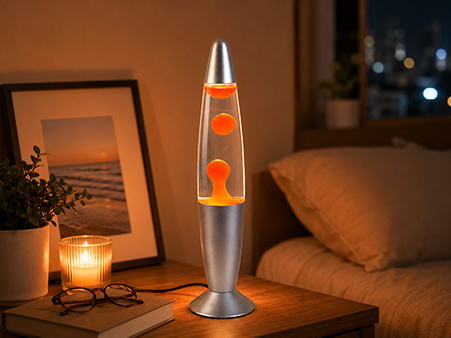
When global B2B buyers and gift shop retailers source commercial lava lamps, identifying manufacturing quality is critical to avoiding product returns and ensuring safety compliance. High-quality commercial lava lamps are defined by three core benchmarks: high-borosilicate scratch-resistant glass, certified non-toxic paraffin wax formulas that prevent cloudiness, and strict thermal safety compliance including CE, RoHS, and UL certifications.
How to Identify High-Quality Motion Lighting for Wholesale