
How to place a snail lamp according to the principles of feng shui?
author: Tony
2025-09-06
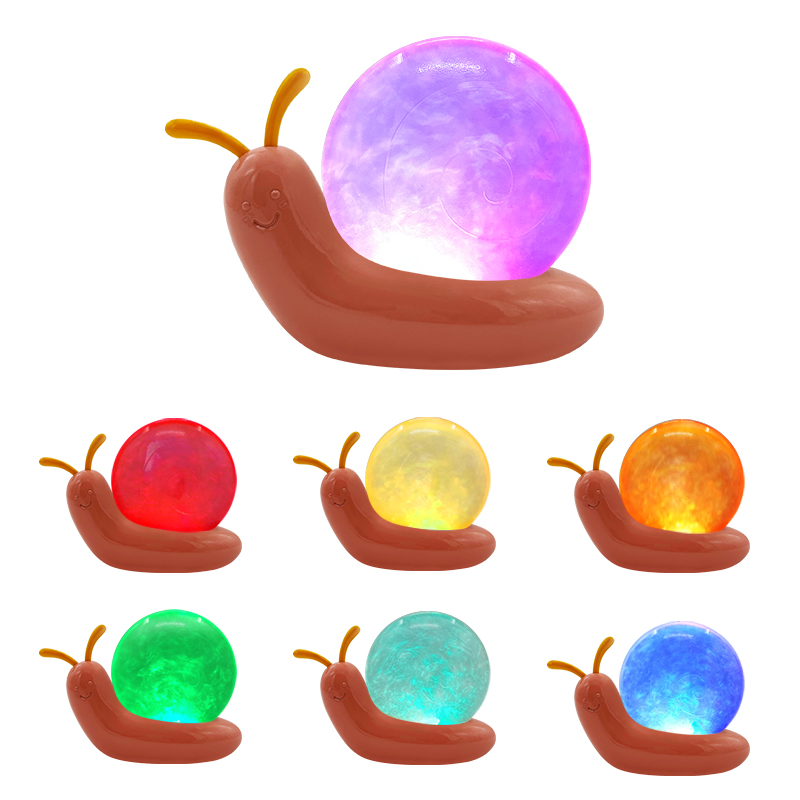
How to Place a Snail Lamp According to the Principles of Feng Shui?

Table of Contents
- Feng Shui Basics & Why Snail Lamps Fit
- Snail Lamps and Key Feng Shui Meanings: Stability & Calm
- Ideal Room Placements for Snail Lamps
- Expert Advice: Maximizing Feng Shui with Snail Lamps
- FAQ: Common Questions About Snail Lamp Feng Shui Placement
1. Feng Shui Basics & Why Snail Lamps Fit
Feng Shui, the ancient practice of harmonizing spaces with Qi (life energy), focuses on aligning decor with natural energy to boost well-being, stability, and joy. It values objects that evoke “gentle Qi”—energy that feels grounding, not chaotic.
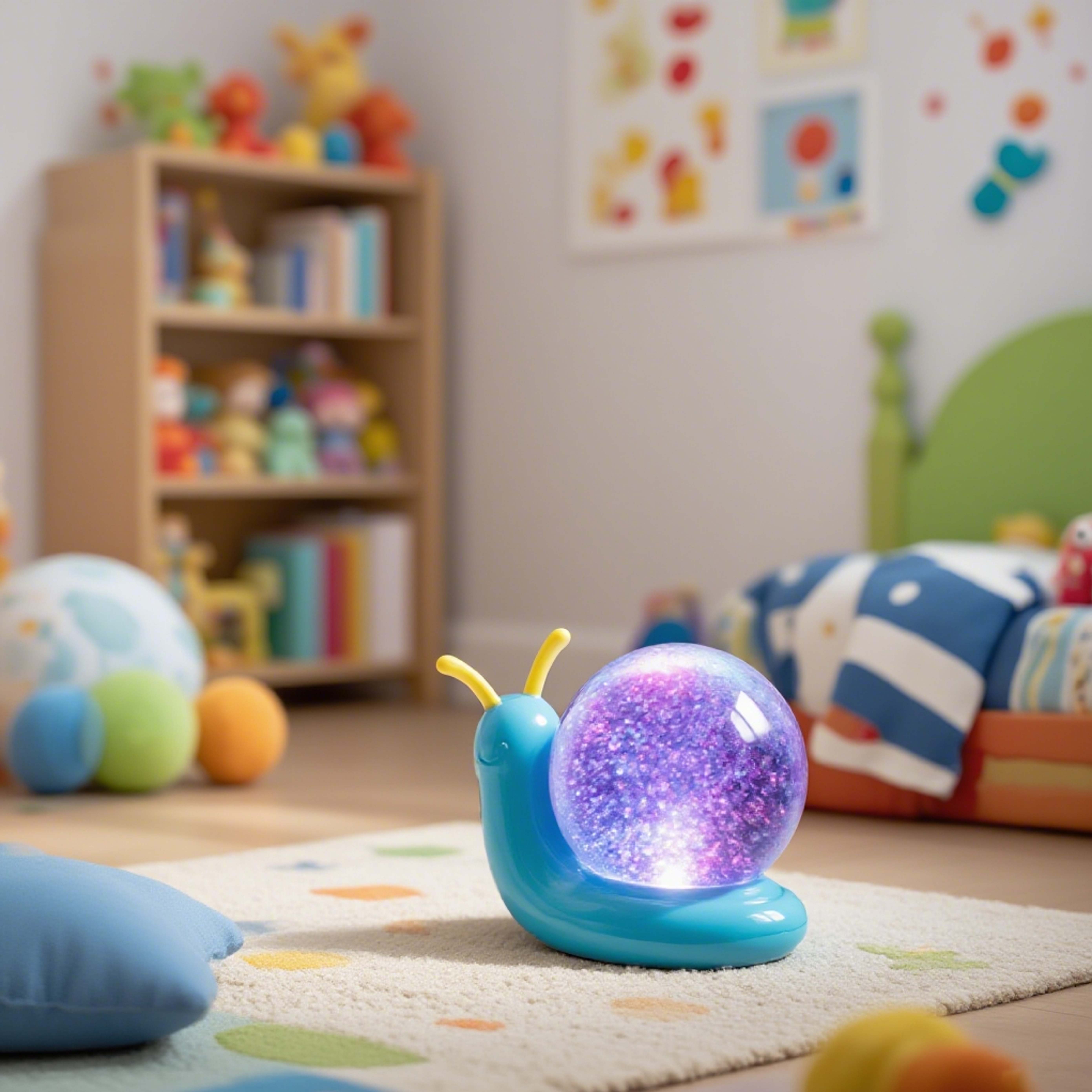
This is where snail lamps excel. As I highlighted in my earlier blog Christmas Gift: Warm Snail Lamp – Your Perfect Festive Companion, these lamps blend playful snail-shaped designs with soft, warm light. Unlike sharp, angular decor that “cuts” Qi, snails’ rounded shells and slow, steady symbolism align with Feng Shui’s love for balance and calm—making them more than just a cute decor piece, but a tool to nurture positive energy.

2. Snail Lamps and Key Feng Shui Meanings: Stability & Calm
To place a snail lamp effectively, first understand its unique Feng Shui symbolism—rooted in the snail’s natural traits:
2.1 Stability (From the Snail’s Shell)
A snail’s shell is its “home” and protection, symbolizing security and rootedness in Feng Shui. This makes snail lamps ideal for spaces where you want to foster a sense of safety—like bedrooms or family rooms. The shell’s rounded shape also softens “sharp Qi” from angular furniture (e.g., square tables, rectangular shelves), creating a more harmonious flow.
2.2 Calm (From the Snail’s Pace)
Snails move slowly, representing patience and tranquility—qualities that counteract “hurried Qi” in busy homes (e.g., spaces with lots of electronics, cluttered entryways). The lamp’s soft light amplifies this: warm glows (3000K–2700K) mimic natural sunlight at dusk, triggering a sense of relaxation that lowers stress and balances overactive energy.
3. Ideal Room Placements for Snail Lamps
Each room has unique energy needs—here’s how to match your snail lamp to them:
3.1 Bedroom: Boost Rest & Security
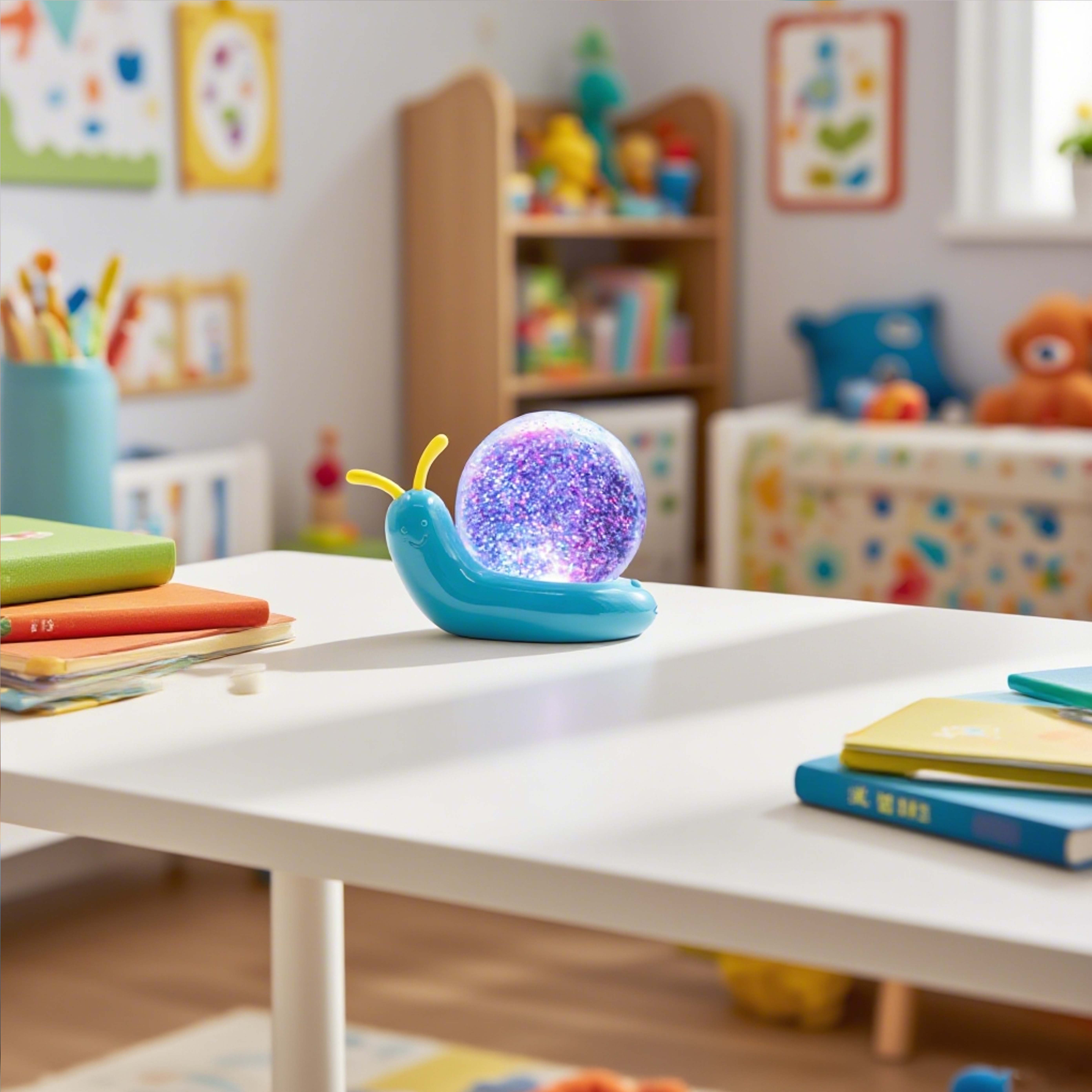
Bedrooms are for sleep and recharge, so they need Qi that’s calm and secure. Place your snail lamp on a bedside table (1–2 feet from your pillow) or a dresser in the southwestern corner of the bedroom. In the Feng Shui bagua map, the southwest is linked to relationships and family— the snail’s stability symbolism will nurture closeness, while its soft light avoids disrupting sleep.
- Pro tip: Choose a dimmable snail lamp (like the festive ones in Christmas Gift: Warm Snail Lamp)—dim it to the lowest setting at night to keep Qi gentle. Avoid placing it directly above the bed; overhead decor can create “pressured Qi” that makes you feel restless.
3.2 Living Room: Soften Chaos & Foster Connection
Living rooms often have mixed Qi—busy from gatherings, yet needing calm for relaxation. Place the snail lamp on a side table near seating areas or in the northeastern corner (linked to family harmony). The snail’s calm energy will balance lively Qi from conversations or TV, while its cute design encourages warmth and connection.
- Avoid: Don’t put the lamp near the TV or bright overhead lights—its soft glow will be overpowered, and competing light sources will disrupt Qi flow. Also, skip cluttered shelves around it; mess traps Qi, weakening the snail’s stabilizing effect.
3.3 Kids’ Rooms: Nurture Comfort & Confidence
Kids’ rooms need Qi that’s safe and reassuring. A snail lamp’s friendly design and soft light are perfect—place it on a nightstand or bookshelf in the eastern corner (linked to growth and new beginnings in Feng Shui). The snail’s shell symbolism will make kids feel “protected,” while the light eases bedtime anxiety.
- Bonus: Opt for a snail lamp with warm white light (not neon colors)—bright hues can overstimulate kids, making it hard to wind down.
3.4 Home Office: Ease Stress & Boost Focus
Offices are filled with “tense Qi” from deadlines and screens. A snail lamp’s calm energy can soften this—place it on your desk (if space allows) or a nearby shelf. The snail’s slow, steady symbolism will remind you to stay patient, while its soft light reduces eye strain and keeps Qi balanced (no more jittery, rushed energy).
4. Expert Advice: Maximizing Feng Shui with Snail Lamps
To deepen the lamp’s impact, I consulted Maya Liu, a certified Feng Shui consultant with 12 years of experience in residential design. Here’s her insight:
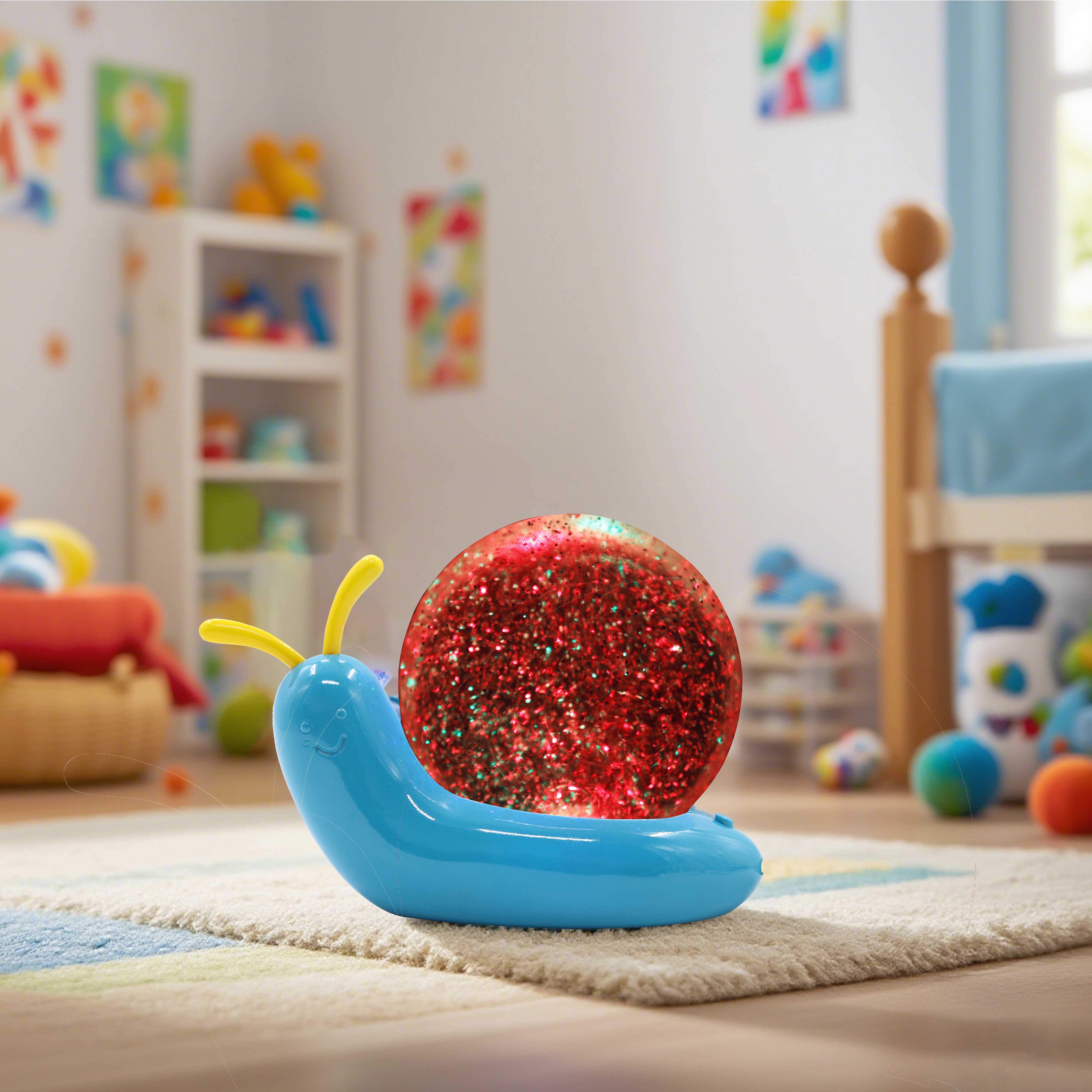
“Snail lamps are a wonderful ‘gentle Qi’ addition—their symbolism and shape make them versatile, but there are key rules to follow. First, match the lamp’s size to the room: a large snail lamp (8+ inches tall) works in spacious living rooms, but a small one (4–6 inches) is better for bedside tables—too big in a small space will overwhelm Qi.
Second, keep the lamp clean: dust on the snail’s shell or light shade dulls its glow and blocks its symbolic ‘protection’ energy. Wipe it weekly with a soft cloth—this keeps Qi flowing freely.
Third, avoid pairing it with ‘fast energy’ decor: things like sports posters, blinking fairy lights, or loud patterns clash with the snail’s calm vibe. Stick to neutral textiles (e.g., linen curtains) or small plants (like succulents) nearby—they’ll amplify the snail’s stability.”
5. FAQ: Common Questions About Snail Lamp Feng Shui Placement
Q1: Can I put a snail lamp in the bathroom?
A: No—bathrooms are “Qi-draining” spaces (water flows out, symbolizing loss) and damp environments can damage the lamp’s electronics. Plus, the snail’s stability symbolism clashes with the bathroom’s “transient” energy (people come and go quickly).
Q2: What if my living room doesn’t have a northeastern corner?
A: Feng Shui is flexible—focus on “energy gaps” instead. If your living room has a dark nook or a spot with sharp furniture (e.g., a square coffee table), place the snail lamp there. It will soften the sharp edges and activate the dark space with calm Qi.
Q3: Is a battery-powered snail lamp better than a plug-in one for Feng Shui?
A: Both work—just prioritize placement. Battery-powered lamps let you put them in Qi-dark spots without outlets (e.g., a bookshelf corner), while plug-in ones are more reliable for daily use. The key is that the lamp is visible and not
How to place a floor lamp at the corner of a wall in accordance with the principles of feng shui?
How to place the moon lamp according to the principles of feng shui?
Related Article

he global decorative lighting market is changing rapidly. Instead of selling only standard lighting products, more brands, retailers, and distributors are looking for customized lighting solutions that help them create unique products and strengthen their market position.
Why Custom Decorative Lighting Is Becoming a Key Growth Strategy for Global Brands in 2026

Home lighting is no longer just about brightness. In 2026, smart ambient lighting has become an important element of modern interior design, helping people create personalized spaces with color, atmosphere, and visual experiences.
How Smart Ambient Lighting Is Transforming Modern Home Decor in 2026?

Decorative lighting is no longer just about illumination. In 2026, it has become an essential part of interior design, lifestyle branding, and consumer experience. Whether in homes, hotels, retail stores, cafés, or entertainment venues, decorative lighting products are increasingly chosen to create atmosphere, express personality, and enhance living spaces.
How Decorative Lighting Is Evolving in 2026: Trends Buyers Should Know
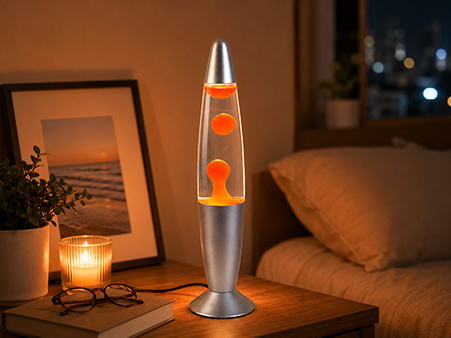
When global B2B buyers and gift shop retailers source commercial lava lamps, identifying manufacturing quality is critical to avoiding product returns and ensuring safety compliance. High-quality commercial lava lamps are defined by three core benchmarks: high-borosilicate scratch-resistant glass, certified non-toxic paraffin wax formulas that prevent cloudiness, and strict thermal safety compliance including CE, RoHS, and UL certifications.
How to Identify High-Quality Motion Lighting for Wholesale