
Lava Lamps: More Than Just a Groovy Light Source
author: Tony
2025-09-19
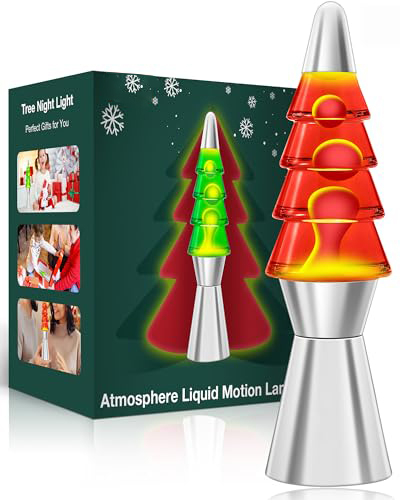
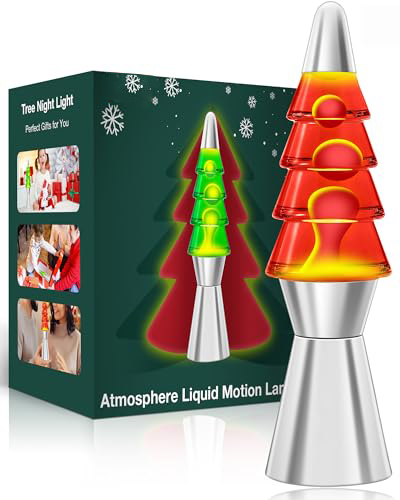
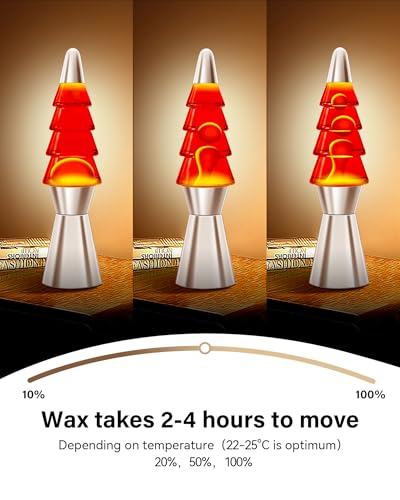
What is a Lava Lamp?
A lava lamp, also known as a liquid motion lamp, is a unique and visually captivating decorative item. It consists of a glass container filled with a special mixture. This mixture typically contains a colored wax - like substance suspended in a clear or translucent liquid, often water - based or with a specific chemical composition for the right density contrast. When the lamp is turned on, a heat source at the base, usually a light bulb, warms the wax. As the wax heats up, it becomes less dense than the surrounding liquid and starts to rise in blobs or globs. Once it reaches the cooler upper part of the lamp, the wax cools down, becomes denser again, and then sinks back towards the bottom. This continuous cycle of rising and falling wax creates an ever - changing, flowing, and mesmerizing pattern that resembles the movement of lava, hence the name "lava lamp". Lava lamps were first introduced in the 1960s and quickly became popular, especially during the hippie counterculture movement, due to their psychedelic and relaxing visual effects. They are now commonly used in various settings, from bedrooms and living rooms to offices and entertainment venues, adding a touch of retro charm and a sense of calm with their soothing, flowing display.
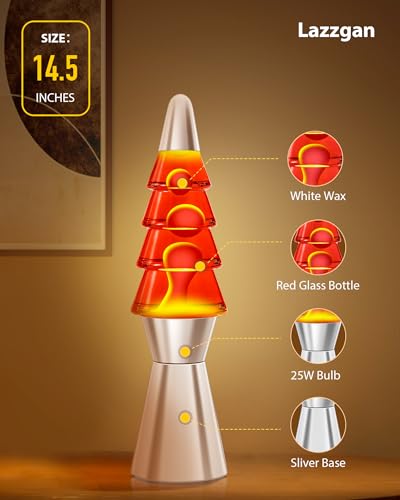
Definition and Appearance
A lava lamp, also known as a wax lamp or jellyfish lamp, is a unique decorative lighting fixture. It consists of a glass container filled with a special liquid and colored wax - like substances. When the lamp is turned on, the heat from a light bulb at the base causes the wax to melt. As the wax heats up, it becomes less dense than the surrounding liquid and starts to rise in blobs. Once it reaches the top, it cools down, becomes denser again, and sinks back to the bottom. This continuous cycle creates a mesmerizing effect of floating and bubbling wax, reminiscent of flowing lava, hence the name "lava lamp". The glass container is usually transparent, allowing the full view of this captivating display, and comes in various shapes and sizes, from classic cylindrical forms to more elaborate and artistic designs. The colors of the wax and liquid can be a vibrant array, such as bright reds, blues, greens, and purples, adding to its visually appealing nature.

Invention and Popularity
The lava lamp was invented in 1963 by British engineer Edward Craven Walker. Walker was inspired by a homemade egg - timer that used a similar principle of heat - induced movement of liquids. He refined the concept and created the first commercial lava lamp. Initially, it was an instant hit. During the 1960s and 1970s, lava lamps became a symbol of the counter - culture and hippie movements. Their psychedelic and ever - changing patterns fit perfectly with the era's love for all things groovy, free - spirited, and anti - establishment. They were commonly found in college dorm rooms, trendy living rooms, and music venues, adding a touch of laid - back and cool atmosphere.
Even as technology advanced and new lighting trends emerged, the lava lamp never completely lost its charm. In the 2000s, there was a resurgence of interest in retro and vintage items, and lava lamps made a comeback. Today, they are not only cherished by those with a penchant for nostalgia but also attract a new generation of consumers who appreciate their unique aesthetic. They are often used to create a relaxing, ambient mood in bedrooms, living rooms, or even in meditation spaces. Their popularity has extended globally, with different versions and designs available to suit various tastes and home decor styles.
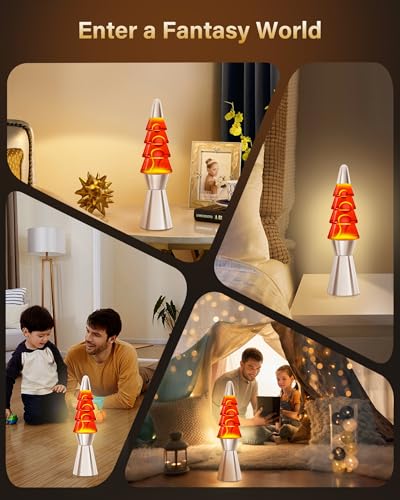
The Science Behind Lava Lamps
The fascinating visual display of a lava lamp isn't just magic; it's rooted in fundamental scientific principles. Understanding the science can deepen our appreciation for this iconic lighting fixture.
Density and Buoyancy
Density is a crucial factor in how a lava lamp works. The wax - like substance inside the lava lamp has a density that is very close to, but slightly higher than, the liquid it is suspended in when both are at room temperature. When the lamp is turned on, the heat from the bulb at the base causes the wax to warm up. As the wax warms, it expands and its density decreases. According to Archimedes' principle, an object immersed in a fluid experiences an upward buoyant force equal to the weight of the fluid it displaces. When the density of the wax becomes less than that of the surrounding liquid, the buoyant force acting on the wax is greater than its weight, and the wax begins to rise in blobs.
As the wax blobs rise towards the top of the lamp, they move away from the heat source. This causes them to cool down. As the wax cools, it contracts, and its density increases. Once the density of the wax becomes greater than that of the liquid, the weight of the wax is greater than the buoyant force, and the wax blobs start to sink back down to the bottom of the lamp. This continuous cycle of rising and sinking due to changes in density and buoyancy is what creates the mesmerizing, flowing effect that lava lamps are known for.
Heat Transfer
Heat transfer plays a vital role in the operation of a lava lamp. The heat source in a lava lamp is typically an incandescent bulb located at the base. Heat is transferred from the bulb to the wax through a combination of conduction and convection. Conduction is the transfer of heat through a material without the movement of the material itself. The glass container of the lava lamp conducts heat from the bulb to the wax at the bottom of the lamp.
As the wax at the bottom of the lamp absorbs heat, it begins to melt. This change in state from solid to liquid is due to the increase in temperature. The melted wax, being less dense, then starts to rise. This upward movement of the heated wax is an example of convection, which is the transfer of heat by the movement of a fluid (in this case, the melted wax and the liquid in the lamp). As the wax rises and moves away from the heat source, it loses heat to the cooler liquid and the glass walls of the lamp. This loss of heat causes the wax to cool and solidify again, and then it sinks back down, completing the cycle. The constant heating and cooling of the wax, driven by heat transfer, are what sustain the dynamic and ever - changing display within the lava lamp.
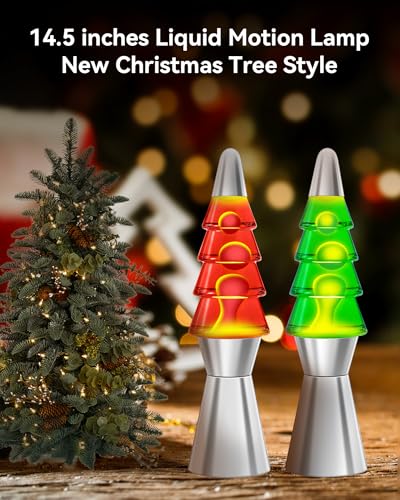
Why 100+ Lava Lamps Can Protect a Website
The Concept of "Lava Lamp Hosting"
The idea of using more than 100 lava lamps to protect a website might sound like something out of a science - fiction story, but it's a creative and somewhat tongue - in - cheek concept known as "lava lamp hosting". In the world of web hosting and server management, ensuring a stable power supply is crucial. Traditional backup power solutions like uninterruptible power supplies (UPS) and diesel generators are commonly used. However, the concept of lava lamp hosting presents a unique and alternative approach.
The basic idea behind lava lamp hosting is to use the energy - generating capabilities of multiple lava lamps as a backup power source for a website's server. While it's not a mainstream or practical solution in the real - world web hosting industry, it has gained attention as a thought - provoking and fun concept. It plays on the idea of repurposing a decorative item for a high - tech task, combining the worlds of retro decor and modern - day digital technology.
Power Generation and Backup
So, how could lava lamps potentially generate power? Lava lamps operate on the principle of heat transfer and density changes, but they can also be thought of in terms of energy conversion. The heat from the bulb inside a lava lamp can be harnessed in a very basic way. One theoretical approach could be to use a thermoelectric generator. Thermoelectric generators are devices that can convert a temperature difference directly into electrical energy. In the case of a lava lamp, the hot bulb at the bottom creates a temperature gradient between the bottom (where the heat source is)
What an ingenious inventor! Do you have a lava lamp?
Lava Lamp: Ignite Your Exclusive Christmas Ambience
Related Article

he global decorative lighting market is changing rapidly. Instead of selling only standard lighting products, more brands, retailers, and distributors are looking for customized lighting solutions that help them create unique products and strengthen their market position.
Why Custom Decorative Lighting Is Becoming a Key Growth Strategy for Global Brands in 2026

Home lighting is no longer just about brightness. In 2026, smart ambient lighting has become an important element of modern interior design, helping people create personalized spaces with color, atmosphere, and visual experiences.
How Smart Ambient Lighting Is Transforming Modern Home Decor in 2026?

Decorative lighting is no longer just about illumination. In 2026, it has become an essential part of interior design, lifestyle branding, and consumer experience. Whether in homes, hotels, retail stores, cafés, or entertainment venues, decorative lighting products are increasingly chosen to create atmosphere, express personality, and enhance living spaces.
How Decorative Lighting Is Evolving in 2026: Trends Buyers Should Know
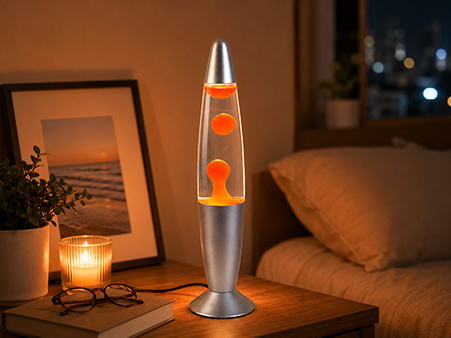
When global B2B buyers and gift shop retailers source commercial lava lamps, identifying manufacturing quality is critical to avoiding product returns and ensuring safety compliance. High-quality commercial lava lamps are defined by three core benchmarks: high-borosilicate scratch-resistant glass, certified non-toxic paraffin wax formulas that prevent cloudiness, and strict thermal safety compliance including CE, RoHS, and UL certifications.
How to Identify High-Quality Motion Lighting for Wholesale