
What is inside the lava lamp?
author: Tony
2025-09-12
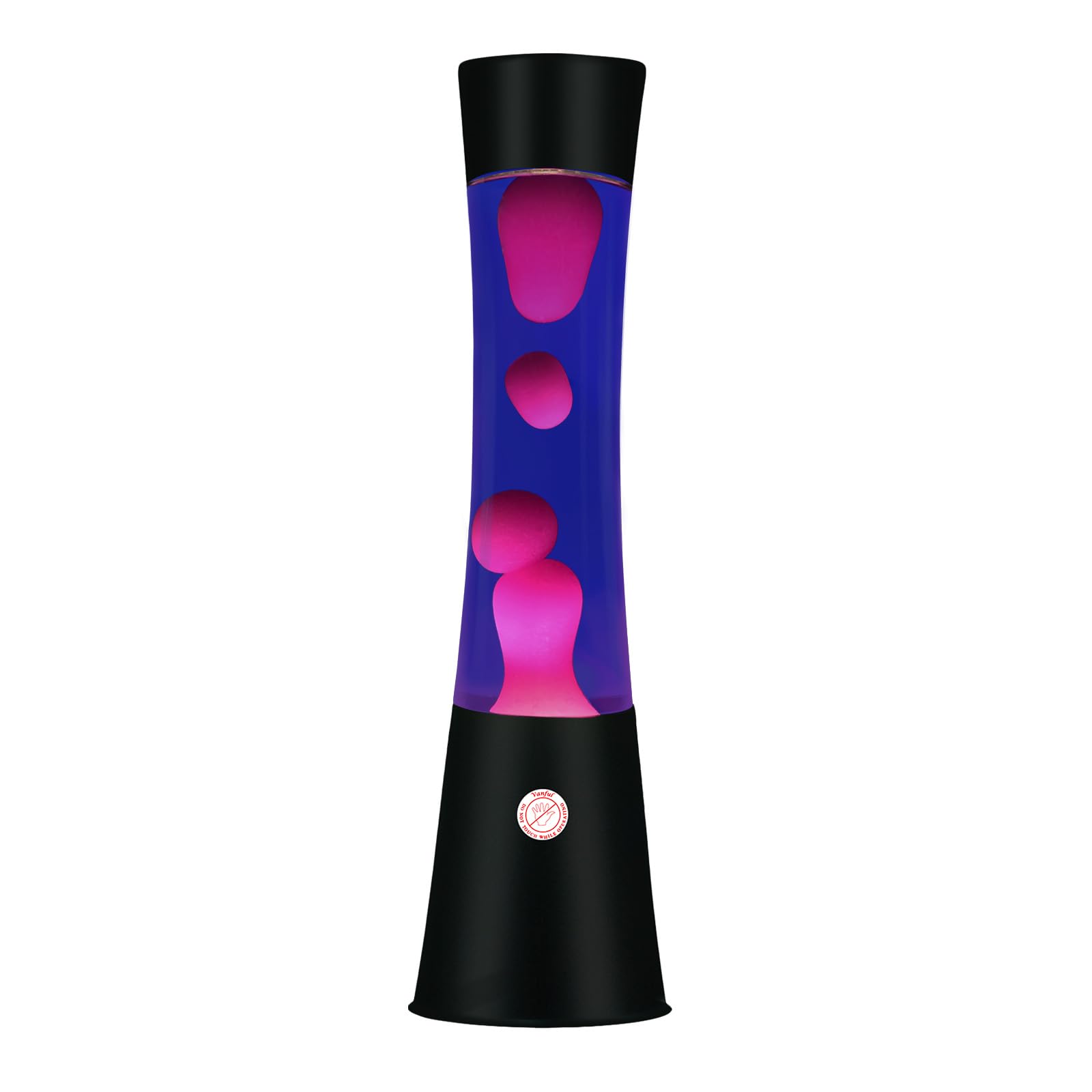
What is inside the lava lamp?

Table of Contents
- Introduction: The Enigmatic Appeal of Lava Lamps
- The Core Components: Wax and Liquid
- The Role of Heat and the Bulb
- Expert Insights on Lava Lamp Composition
- A Look Back at "Why Do Foreigners Like Lava Lamps?"
- FAQs About Lava Lamp Contents
- Conclusion: Appreciating the Magic Within

1. Introduction: The Enigmatic Appeal of Lava Lamps
Lava lamps have long held a special place in the world of decor, captivating us with their slow - moving, ever - changing blobs of color. Their soft glow and mesmerizing motion create a unique atmosphere in any room. But have you ever wondered what exactly is inside these iconic lamps that makes them work their magic? In this blog, we'll delve deep into the components that make up a lava lamp, demystifying this beloved decor item.
2. The Core Components: Wax and Liquid
2.1 The "Lava" - Wax
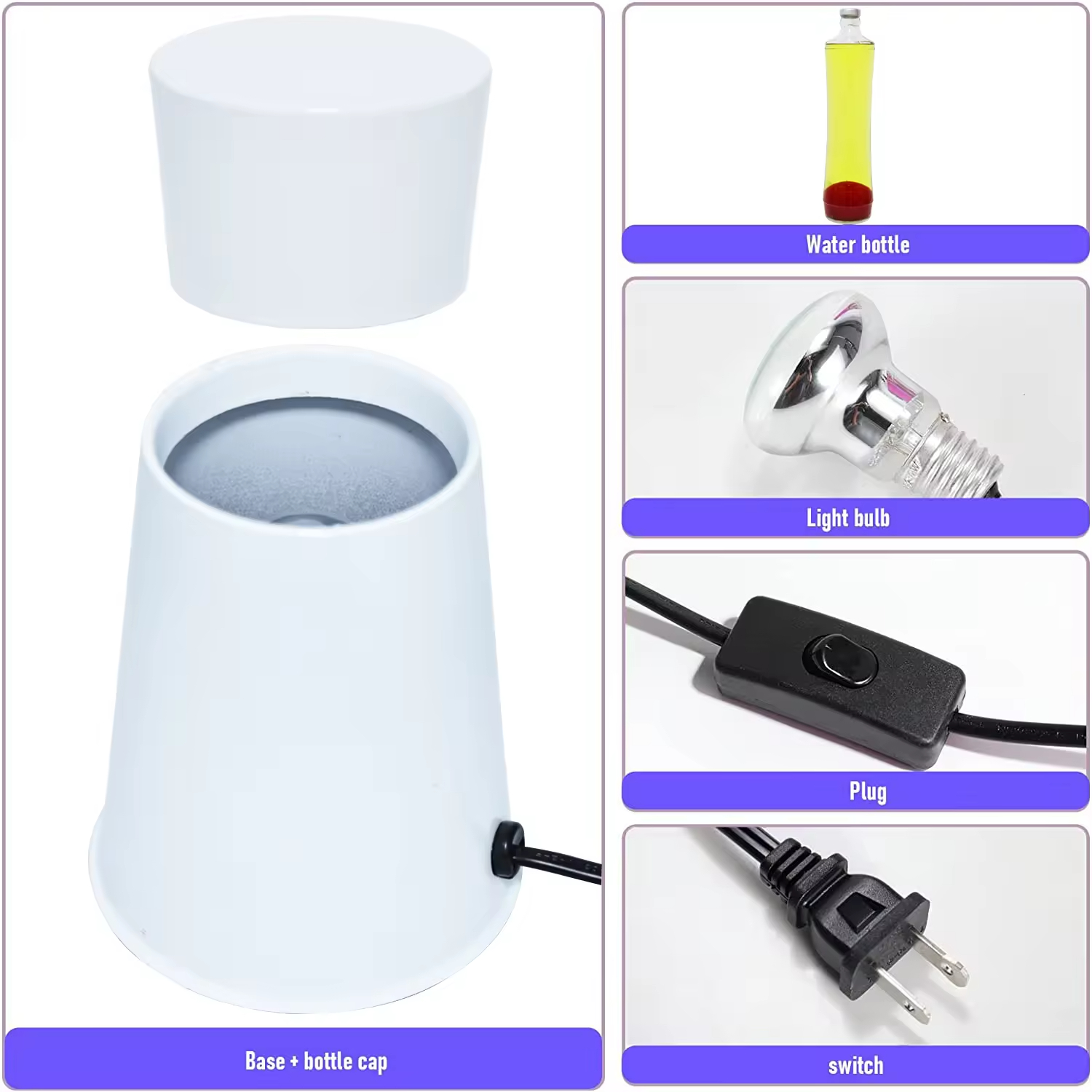
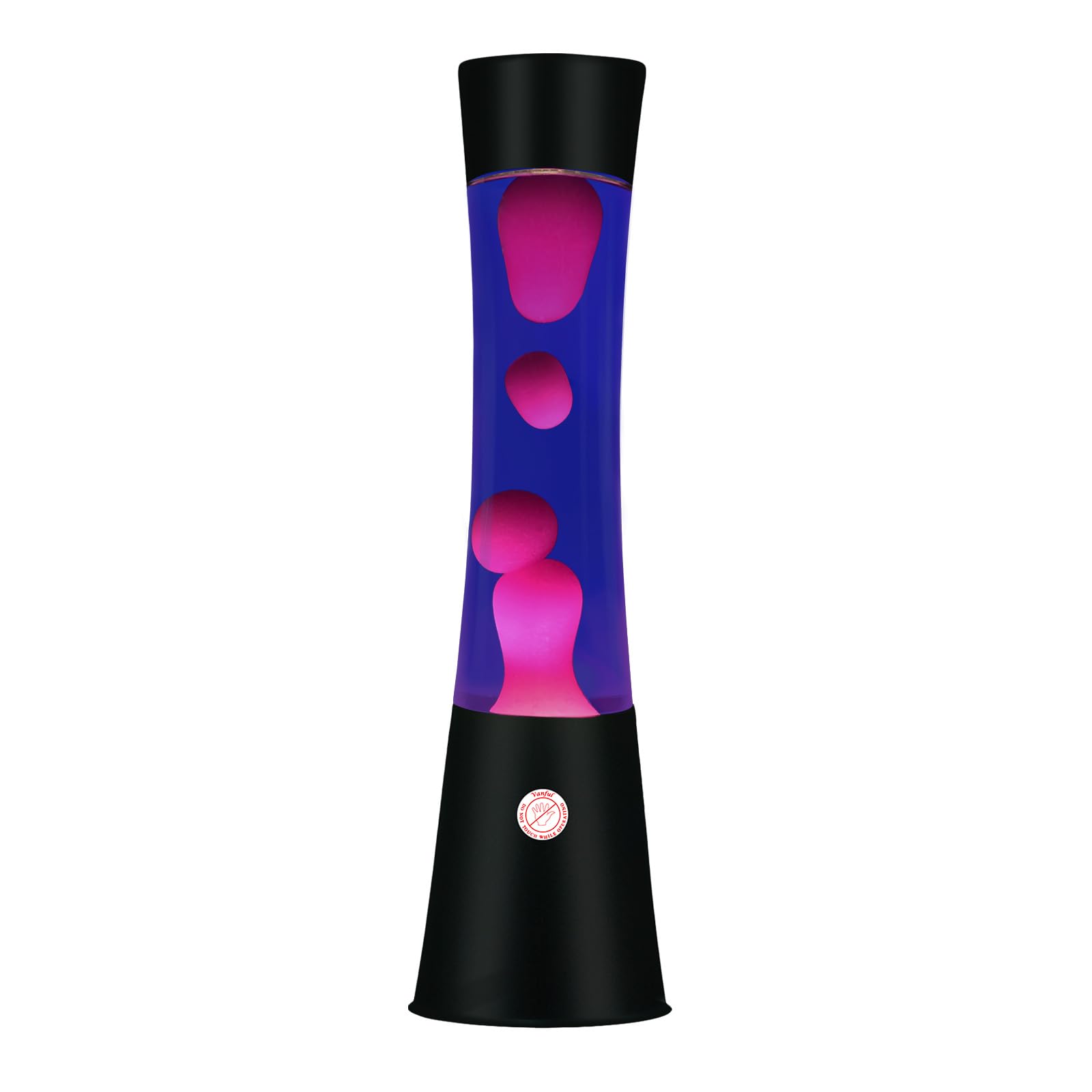
The star of the show in a lava lamp is undoubtedly the wax. Paraffin wax is the most commonly used type. This wax has specific properties that make it perfect for the lava lamp experience. It has a relatively low melting point, which means it can be easily affected by the heat source in the lamp. When the lamp is turned on, the wax at the bottom starts to melt. As it melts, it forms blobs that seem to float and move around in the liquid. These blobs are what give the lava lamp its characteristic look, resembling flowing lava. Different brands may use variations of paraffin wax, and sometimes it can be mixed with other substances to fine - tune its density and melting behavior.
2.2 The Surrounding Liquid
The liquid in which the wax blobs float is typically either water or mineral oil. When water is used, it is often treated with chemicals. These chemicals serve two main purposes. Firstly, they prevent the growth of bacteria and mold inside the lamp, as the warm, moist environment could otherwise be a breeding ground. Secondly, they may also be used to adjust the density of the water. In some cases, the water is colored with translucent dyes to enhance the visual effect. Mineral oil, on the other hand, is a clear, odorless liquid that also provides a good medium for the wax to move through. The liquid's density is carefully balanced with that of the wax to create the ideal conditions for the wax blobs to rise and fall in a slow, hypnotic motion.

3. The Role of Heat and the Bulb
At the base of the lava lamp is a light bulb. This is not just for illumination; it plays a crucial role in making the wax move. When the lamp is switched on, the bulb emits heat. This heat is transferred to the glass container holding the wax and liquid. As the wax at the bottom of the container absorbs the heat, it starts to expand. When a substance expands, its density decreases. Since the wax's density becomes lower than that of the surrounding liquid, the wax blobs begin to rise. As they reach the top of the lamp, away from the heat source, they start to cool down. Cooling causes the wax to contract, increasing its density once again. As a result, the wax blobs sink back down to the bottom, where the cycle repeats. This continuous heating and cooling process, driven by the bulb, is what creates the mesmerizing movement of the wax in the lava lamp.
4. Expert Insights on Lava Lamp Composition
Dr. Emily Thompson, a materials scientist who has studied the physics of liquid - solid interactions in decorative objects, explains, "The careful balance of the wax and liquid densities is key to the lava lamp's functionality. Manufacturers have to fine - tune the composition of both components. For example, the type of wax used can affect how quickly it melts and how well it retains its shape as blobs. And the additives in the liquid, whether it's water or mineral oil, are crucial for maintaining the right density and preventing any unwanted reactions." She also notes that the heat transfer from the bulb to the wax - liquid system has been optimized over the years to ensure a smooth and consistent flow of the wax blobs. "The design of the lamp, including the shape of the glass container and the position of the bulb, also impacts how evenly the heat is distributed, which in turn affects the movement of the wax," Dr. Thompson adds.
5. A Look Back at "Why Do Foreigners Like Lava Lamps?"
In our previous blog, "Why Do Foreigners Like Lava Lamps?", we explored the cultural and aesthetic appeal of lava lamps. Their popularity stems from their ability to create a laid - back, cozy atmosphere. The unique visual experience they offer, with the constantly moving wax blobs, is not only relaxing but also a conversation starter. The components inside the lava lamp - the wax and liquid - work together to create this captivating effect, which is a big part of their charm. Whether it's in a teenager's bedroom, a college dorm, or a living room, lava lamps bring a touch of retro - cool and a sense of calm.
6. FAQs About Lava Lamp Contents
Q1: Can the wax and liquid in a lava lamp mix?
A1: No, the wax and liquid are carefully formulated to be immiscible. The wax is made of materials like paraffin that do not dissolve in the water or mineral oil used as the liquid. This immiscibility is essential for the wax to form distinct blobs and move around in the liquid.
Q2: Do all lava lamps use the same type of wax and liquid?
A2: No, while paraffin wax and water/mineral oil are common, different manufacturers may use variations. Some may use different grades of paraffin wax or add unique additives to the liquid to achieve a specific look or performance. For example, some lava lamps might use a special blend of wax to make the blobs more or less viscous, affecting their movement speed.
Q3: What happens if I shake a lava lamp?
A3: Shaking a lava lamp can disrupt the delicate balance between the wax and liquid. The wax blobs may break up into smaller pieces, and the liquid may become cloudy. In some cases, the wax and liquid may start to emulsify, which can ruin the lamp's appearance. It's best to let the lava lamp sit still and operate as intended for the best results.
Q4: Can I change the color of the wax or liquid in my lava lamp?
A4: In most commercial lava lamps, it's not advisable to try to change the color of the wax or liquid. The components are carefully formulated, and altering them can affect the lamp's performance. However, for DIY lava lamps, you can experiment with adding food coloring to the liquid or using colored wax to create your desired look. But always be cautious and make sure the substances you use are safe and won't damage the lamp.
7. Conclusion: Appreciating the Magic Within
Lava lamps are more than just decorative items; they are a fascinating blend of science and art. The combination of wax, liquid, and
The Jellyfish That Can Dance at Home: The Colorful Jellyfish Lamp
In the X-Men movie "Reversal of Time", when Wolverine just returned to the past, what was that thing like a lamp that was placed on the bedside?
Related Article

he global decorative lighting market is changing rapidly. Instead of selling only standard lighting products, more brands, retailers, and distributors are looking for customized lighting solutions that help them create unique products and strengthen their market position.
Why Custom Decorative Lighting Is Becoming a Key Growth Strategy for Global Brands in 2026

Home lighting is no longer just about brightness. In 2026, smart ambient lighting has become an important element of modern interior design, helping people create personalized spaces with color, atmosphere, and visual experiences.
How Smart Ambient Lighting Is Transforming Modern Home Decor in 2026?

Decorative lighting is no longer just about illumination. In 2026, it has become an essential part of interior design, lifestyle branding, and consumer experience. Whether in homes, hotels, retail stores, cafés, or entertainment venues, decorative lighting products are increasingly chosen to create atmosphere, express personality, and enhance living spaces.
How Decorative Lighting Is Evolving in 2026: Trends Buyers Should Know
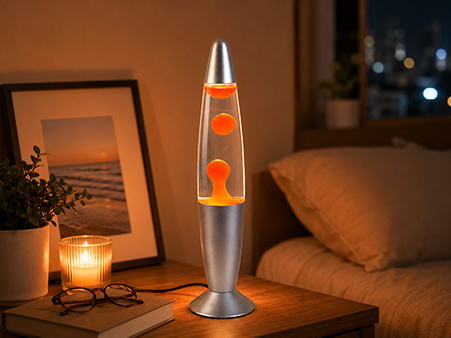
When global B2B buyers and gift shop retailers source commercial lava lamps, identifying manufacturing quality is critical to avoiding product returns and ensuring safety compliance. High-quality commercial lava lamps are defined by three core benchmarks: high-borosilicate scratch-resistant glass, certified non-toxic paraffin wax formulas that prevent cloudiness, and strict thermal safety compliance including CE, RoHS, and UL certifications.
How to Identify High-Quality Motion Lighting for Wholesale