
How to Repair a Lava Lamp: A Step-by-Step Guide to Bring Back Its Glow
author: Tony
2025-10-18

How to Repair a Lava Lamp: A Step-by-Step Guide to Bring Back Its Glow
Table of Contents

Introduction: Why Lava Lamps Deserve a Second Chance
Lava lamps aren’t just decorative pieces—they’re nostalgic symbols that have lit up bedrooms, dorm rooms, and offices for decades. But like any electronic item, they can break down over time. Before you toss your faulty lava lamp in the trash, consider repairing it! Not only is it cost-effective, but it also lets you keep a piece of history (or a beloved decor item) alive.
If you’ve ever wondered about the story behind these iconic lamps, you’ll love our previous blog: What an ingenious inventor! Do you have a lava lamp? It dives into the creation of the lava lamp by Edward Craven Walker, highlighting why his invention is still popular today. Understanding its origins can even make the repair process feel more meaningful—you’re preserving a piece of innovative design!
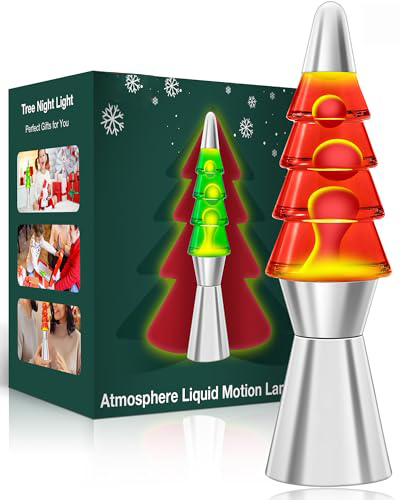
Pre-Repair Prep: Safety First & Tools You’ll Need
Before you start taking apart your lava lamp, safety should be your top priority. Lava lamps use heat to melt the “lava” (a wax-based substance), so the glass and base can get very hot. Here’s what you need to do to stay safe:
- Unplug the lamp and let it cool down completely (this can take 2-4 hours). Never work on a hot or plugged-in lava lamp—you risk burns or electric shock.
- Work on a flat, stable surface (like a table) to avoid dropping the glass globe.
- Wear gloves (optional but recommended) to protect your hands from broken glass or hot parts.
Now, gather your tools. You won’t need anything fancy—most repairs can be done with basic supplies:
- Screwdriver (flathead or Phillips, depending on your lamp’s base)
- Replacement bulb (make sure it’s the right wattage—check the lamp’s manual or base for details)
- Soft cloth (for cleaning glass)
- Distilled water (for refilling, if needed)
- Mild dish soap (for cleaning)
Common Lava Lamp Issues & How to Fix Them
Most lava lamp problems are easy to fix—you just need to identify the issue first. Below are the four most common problems and step-by-step solutions.
Issue 1: Lava Isn’t Flowing (Most Common)
The biggest frustration with a lava lamp is when the wax stays at the bottom (or top) and won’t move. This usually happens because of temperature issues or old fluid. Here’s how to fix it:
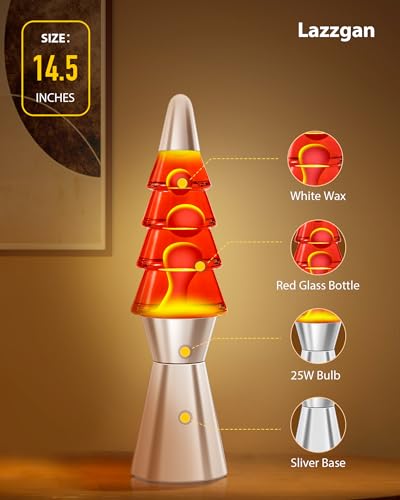
- Check the bulb: The bulb is the heart of the lava lamp—it provides the heat needed to melt the wax. If the bulb is burnt out or too low-wattage, the lava won’t flow. Replace the bulb with one that matches the lamp’s recommended wattage (most use 25-40W bulbs).
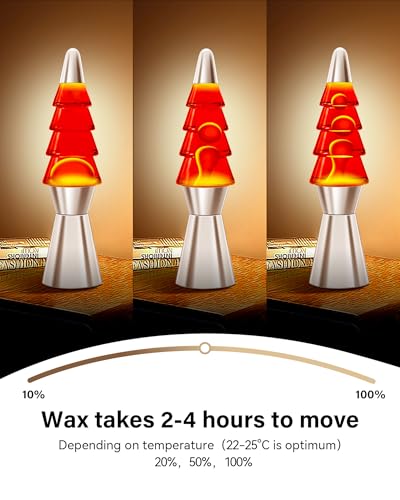
- Let it warm up properly: Lava lamps need time to reach the right temperature. Plug it in and let it run for 4-6 hours—don’t turn it on and off frequently, as this disrupts the heat cycle.
- Adjust the room temperature: If the room is too cold (below 65°F/18°C) or too hot (above 80°F/27°C), the lava won’t flow. Move the lamp to a room with a stable temperature.
- Refill the fluid (if needed): Over time, the fluid in the lamp can evaporate, making it too thick for the lava to move. To refill:
-
- Cool the lamp completely and unscrew the top cap (use a screwdriver if it’s tight).
-
- Pour out the old fluid (dispose of it properly—check local rules).
-
- Fill the globe with distilled water (tap water has minerals that can clog the lamp) up to 1 inch below the top.
-
- Add a drop of mild dish soap (this helps the lava flow smoothly) and screw the cap back on.
Issue 2: Lava Sticks to the Glass
If the wax sticks to the sides of the glass instead of forming smooth blobs, the problem is usually dirty glass or old fluid. Here’s the fix:
- Clean the glass globe: Unplug the lamp and let it cool. Remove the globe from the base, then wipe the inside with a soft cloth dipped in a mixture of distilled water and mild dish soap. Rinse with distilled water and let it dry completely.
- Replace the fluid: Old fluid can become sticky, causing the lava to stick. Follow the refilling steps in Issue 1 to add fresh distilled water and a drop of soap.
Issue 3: Lamp Makes Unusual Noises
A quiet hum from the bulb is normal, but loud buzzing or rattling means something’s wrong. The most common cause is a loose bulb or faulty socket. Here’s how to fix it:
- Unplug the lamp and let it cool.
- Remove the bulb and check if it’s loose. Tighten it gently (don’t over-tighten—you could break the socket).
- If the bulb is tight but the noise continues, inspect the socket for damage (like rust or frayed wires). If the socket is broken, you may need to replace it (check the lamp’s brand for replacement parts).
Issue 4: Bulb Burns Out Quickly
If you’re replacing the bulb every few weeks, the problem is likely wrong wattage or overuse. Here’s the solution:
- Use the correct wattage: Using a bulb with higher wattage than recommended can overheat the lamp and burn out the bulb quickly. Always check the lamp’s manual or base for the right wattage.
- Don’t leave it on 24/7: Lava lamps are designed to run for 8-10 hours at a time. Leaving them on longer can overheat the bulb and shorten its lifespan.
When to Stop Repairing: Signs Your Lava Lamp Is Beyond Fixing
While most issues are repairable, some lava lamps are too old or damaged to save. Here are three signs it’s time to replace your lamp:
- Cracked glass globe: A cracked globe is a safety hazard—hot wax or fluid can leak out and cause burns. Never use a lamp with a cracked globe.
- Rusty or broken base: If the base is rusted, bent, or the electrical parts are exposed, it’s not safe to repair. Electrical issues can lead to fires or shocks.
- Wax is discolored or hard: If the wax has turned brown (from overheating) or is too hard to melt even with a new bulb, it’s time for a new lamp. The wax degrades over time, and there’s no way to “fix” old wax.
Expert Tips to Extend Your Lava Lamp’s Lifespan
To keep your lava lamp working for years, follow these tips from Sarah Johnson, a home decor expert and author of Vintage Decor: Care & Preservation:
- “Always use distilled water when refilling—tap water has minerals that build up inside the globe, making the lava flow sluggishly. Over time, these minerals can even damage the wax.”
- “Avoid moving the lamp while it’s on. The hot glass is more likely to crack, and the moving lava can stick to the sides.”
- “Store the lamp in a cool, dry place when not in use. Extreme temperatures (like in a garage or attic) can damage the wax and fluid.”
- “Dust the base and globe regularly with a soft cloth. Dust buildup on the base can block vents, causing the lamp to overheat.”
FAQ: Answers to Industry-Favorite Lava Lamp Questions
Q1: Can I use tap water instead of distilled water to refill my lava lamp?
A: No, it’s not recommended. As Sarah Johnson notes, tap water has minerals that can clog the lamp and affect the lava’s flow. Distilled water is pure and won’t leave deposits.
Q2: How often should I replace the fluid in my lava lamp?
A: Most lava lamps need fluid replacement every 2-3 years. If you notice the fluid is cloudy or the lava isn’t flowing smoothly, it’s time to refill.
Q3: My lava lamp’s wax is too small—can I add more wax?
A: It’s not recommended to add wax to a lava lamp. The globe is designed to hold a specific amount of wax and fluid—adding more can cause the lamp to overflow when the wax melts. If the wax is too small (from evaporation), it’s better to replace the lamp.
Q4: Can I put my lava lamp in the fridge to cool it down faster?
A: No! Putting a hot lava lamp in the fridge can cause the glass to crack (due to sudden temperature change). Always let the lamp cool down naturally.
Q5: Where can I find replacement parts for my vintage lava lamp?
A: Many brands (like Mathmos, the original lava lamp brand) sell replacement bulbs, caps, and fluid. You can also check online marketplaces like Etsy or eBay for vintage parts. For more tips on finding vintage decor parts, revisit our blog What an ingenious inventor! Do you have a lava lamp?—it includes resources for vintage lava lamp care.
Fiber Optic Lamps: Illuminating a New Era Without Bulbs
Home Atmosphere: Feeling the Magic of the Bubble Fish Lamp
Related Article

he global decorative lighting market is changing rapidly. Instead of selling only standard lighting products, more brands, retailers, and distributors are looking for customized lighting solutions that help them create unique products and strengthen their market position.
Why Custom Decorative Lighting Is Becoming a Key Growth Strategy for Global Brands in 2026

Home lighting is no longer just about brightness. In 2026, smart ambient lighting has become an important element of modern interior design, helping people create personalized spaces with color, atmosphere, and visual experiences.
How Smart Ambient Lighting Is Transforming Modern Home Decor in 2026?

Decorative lighting is no longer just about illumination. In 2026, it has become an essential part of interior design, lifestyle branding, and consumer experience. Whether in homes, hotels, retail stores, cafés, or entertainment venues, decorative lighting products are increasingly chosen to create atmosphere, express personality, and enhance living spaces.
How Decorative Lighting Is Evolving in 2026: Trends Buyers Should Know
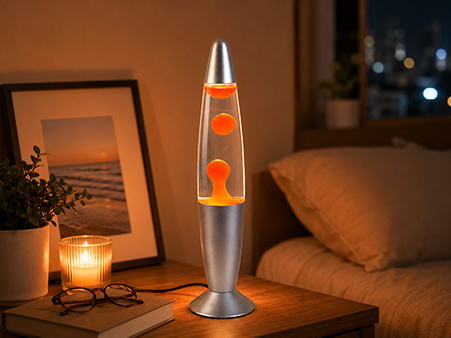
When global B2B buyers and gift shop retailers source commercial lava lamps, identifying manufacturing quality is critical to avoiding product returns and ensuring safety compliance. High-quality commercial lava lamps are defined by three core benchmarks: high-borosilicate scratch-resistant glass, certified non-toxic paraffin wax formulas that prevent cloudiness, and strict thermal safety compliance including CE, RoHS, and UL certifications.
How to Identify High-Quality Motion Lighting for Wholesale