
The service life of LED optical fiber lamps
author: Tony
2025-07-02
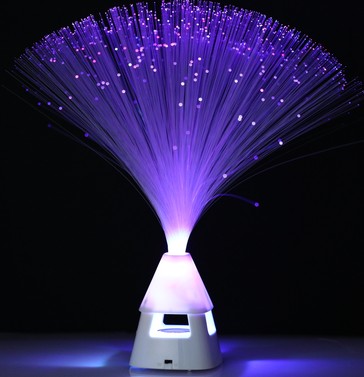
The service life of LED optical fiber lamps
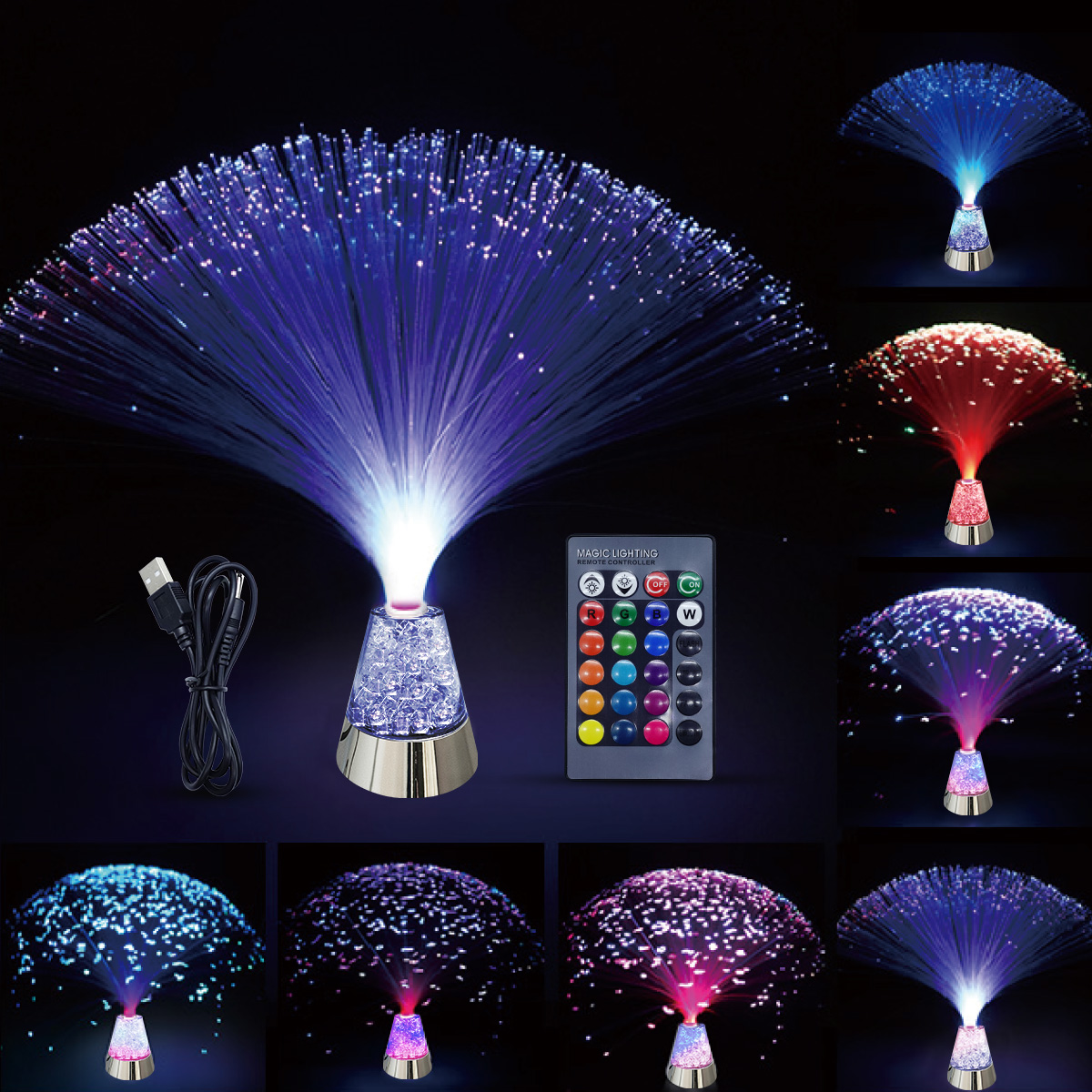
I. Life Characteristics of Core Components
(1) The lifespan of LED light sources
Theoretical lifespan
The lifespan of high-quality LED beads can reach 25,000 to 50,000 hours (approximately 8 to 17 years if used for 8 hours a day). Relying on their low heat generation and low power consumption characteristics, they avoid the rapid attenuation problem of traditional light sources.
Key influencing factors
Temperature: High temperatures (such as poor heat dissipation) can increase the rate of light attenuation by more than 50%.
Current stability: Fluctuations in power supply voltage or defects in the driving circuit can easily cause LED overload.
(2) The lifespan of optical fibers
Theoretical lifespan
High-quality optical fibers (PMMA plastic optical fibers or glass optical fibers) can have a lifespan of over 20 years, or even 30 years. Aging is mainly due to the yellowing of the material, which leads to a slow decline in light transmittance.
Key influencing factors
Physical damage: Excessive bending (bending radius less than 10 times the diameter of the optical fiber) can easily cause internal structure fracture.
Environmental corrosion: Moisture and chemical gases (such as sulfides) accelerate the aging of the outer sheath of optical fibers.

Ii. Key Factors Affecting Service Life in Actual Use
(1) Installation and Environmental conditions
Temperature and humidity
High temperatures (> 60℃) accelerate the aging of leds and optical fibers. A humid environment may cause short circuits in power modules. It is recommended to install in a well-ventilated and dry area.
When used outdoors, it is necessary to pay attention to ultraviolet protection. Choose UV-coated optical fibers or install protective shells.
Ultraviolet exposure
Ultraviolet rays can accelerate the degradation of the plastic sheath of optical fibers. Special protection is required in outdoor scenarios.
(2) Frequency and Duration of use
Continuous and prolonged lighting (such as 24 hours) will accelerate the light attenuation of the LED. It is recommended to use it for no more than 12 hours per day or in combination with an intelligent timer switch.
(3) Maintenance and upkeep
Regular cleaning: Every 3 to 6 months, wipe the end face of the optical fiber with a lint-free cloth dipped in alcohol to prevent dust accumulation from affecting the light transmittance.
Power supply inspection: Regularly check the stability of the driver power supply voltage to prevent LED damage due to power supply failures.

Iii. Practical Suggestions for Extending Life
Specific measures and practices
When choosing high-quality products, make sure to recognize the brand. Check the LED chips (such as Cree and Osram) and the optical fiber material (PMMA purity ≥99%).
Optimize the installation environment to avoid high-temperature, humid and strong ultraviolet environments. The LED should be equipped with a heat sink, and the bending radius of the optical fiber should be no less than 10mm.
Standardize the usage method to avoid frequent switching (current impact), and use a regulated power supply (voltage fluctuation ≤±5%).
Regularly maintain and inspect the fiber optic breakage/yellowing condition annually. It is recommended to replace the power adapter every five years.

Iv. Summary: Comprehensive lifespan range
Under high-quality products and reasonable maintenance conditions, the overall lifespan of the splendid LED fiber optic lamp can reach 10 to 20 years.
LED light source: 5 to 10 years (modules can be replaced when the light attenuation drops to 70%).
Optical fiber part: Over 20 years (no need to replace if not physically damaged).
With its long lifespan and low maintenance cost, LED fiber optic lamps are suitable for long-term usage scenarios such as interior decoration and landscape lighting. By focusing on three aspects - selection, environmental control, and maintenance - their lifespan can be maximized.
Volcanic lava lamps really move!
Analysis of the Service Life of Gorgeous LED Fiber Optic Lights: Influencing Factors and Extension Strategies
Related Article

he global decorative lighting market is changing rapidly. Instead of selling only standard lighting products, more brands, retailers, and distributors are looking for customized lighting solutions that help them create unique products and strengthen their market position.
Why Custom Decorative Lighting Is Becoming a Key Growth Strategy for Global Brands in 2026

Home lighting is no longer just about brightness. In 2026, smart ambient lighting has become an important element of modern interior design, helping people create personalized spaces with color, atmosphere, and visual experiences.
How Smart Ambient Lighting Is Transforming Modern Home Decor in 2026?

Decorative lighting is no longer just about illumination. In 2026, it has become an essential part of interior design, lifestyle branding, and consumer experience. Whether in homes, hotels, retail stores, cafés, or entertainment venues, decorative lighting products are increasingly chosen to create atmosphere, express personality, and enhance living spaces.
How Decorative Lighting Is Evolving in 2026: Trends Buyers Should Know
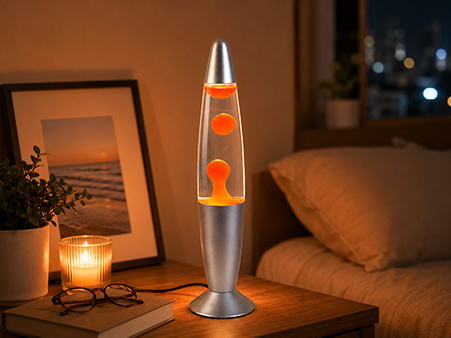
When global B2B buyers and gift shop retailers source commercial lava lamps, identifying manufacturing quality is critical to avoiding product returns and ensuring safety compliance. High-quality commercial lava lamps are defined by three core benchmarks: high-borosilicate scratch-resistant glass, certified non-toxic paraffin wax formulas that prevent cloudiness, and strict thermal safety compliance including CE, RoHS, and UL certifications.
How to Identify High-Quality Motion Lighting for Wholesale