
Unveiling the Mysterious Interior of the Lava Lamp
author: Tony
2025-10-15
Unveiling the Mysterious Interior of the Lava Lamp
Table of Contents
Introduction
Have you ever been captivated by the mesmerizing, ever - changing blobs of color in a lava lamp? These unique lamps have been a popular decor item for decades, gracing the shelves of bedrooms, living rooms, and even offices. Their soft, undulating glow creates a relaxing and almost hypnotic atmosphere. But have you ever wondered what's going on inside a lava lamp? What makes those colorful wax - like blobs rise and fall in a seemingly endless dance? In this blog post, we will delve deep into the internal structure of the lava lamp, uncovering the science and components that make this iconic lamp work. If you're a fan of unique home decor or have a curious mind for how things work, you're in for a treat. And if you haven't already, check out our previous blog [What an ingenious inventor! Do you have a lava lamp?](//example.com/previous - blog - link) for more interesting facts about the origin and cultural impact of lava lamps.
What is a Lava Lamp?
Definition and Basic Concept
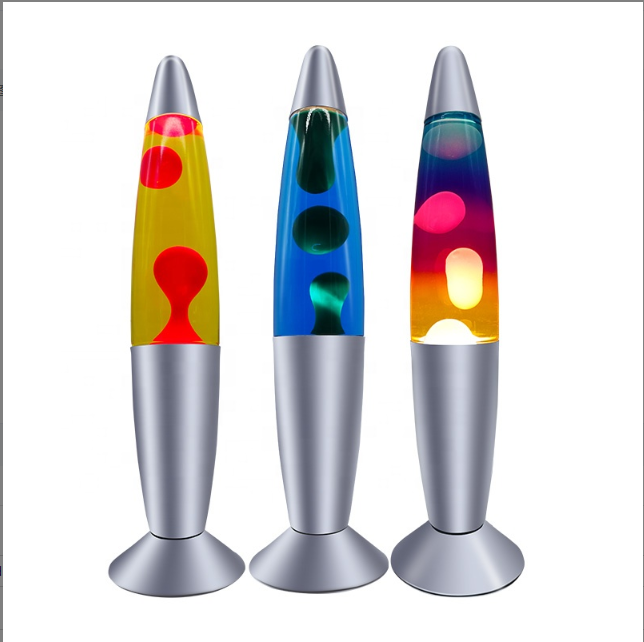
A lava lamp, also known as a wax lamp, jellyfish lamp, or magma lamp, is a unique type of decorative lamp. Its most distinctive feature is the constantly changing, floating blobs of a luminous, viscous substance inside a transparent container. These blobs move in a slow, undulating motion, reminiscent of the flow of lava, hence the name "lava lamp". As the blobs rise and fall, they create an ever - shifting pattern of light and color, casting a soft, mesmerizing glow that can transform the ambiance of any room.
If you recall from our previous blog [What an ingenious inventor! Do you have a lava lamp?](//example.com/previous - blog - link), we delved into the cultural significance and visual allure of lava lamps. Their unique appearance, with a tall glass container filled with two distinct substances that interact in a captivating way, makes them stand out as a piece of both functional lighting and artistic decor. Whether placed in a cozy corner of a living room or on a bedside table, a lava lamp has the ability to draw the eye and create a relaxing, almost meditative atmosphere.
Historical Background
The lava lamp was invented by British engineer Edward Craven Walker in 1963. Walker's inspiration came from a simple household item: He noticed the way the wax - like substance in the timer moved when heated, and he saw the potential to turn this interesting phenomenon into a decorative lamp.
Walker created the first lava lamp by sealing a mixture of a special wax - like substance and a clear liquid in a glass bottle. He then added a heat source at the base, typically an ordinary incandescent bulb. When the bulb was turned on, it heated the wax at the bottom of the bottle. As the wax heated up, it melted, became less dense than the surrounding liquid, and began to rise. Once it reached the cooler upper part of the bottle, the wax cooled, became denser again, and sank back down. This continuous cycle of rising and falling wax created the iconic lava - like effect that we know and love today.
Since its invention, the lava lamp has become a symbol of 1960s counter - culture and has remained popular over the decades, evolving in design and color options while still retaining its classic, hypnotic charm.
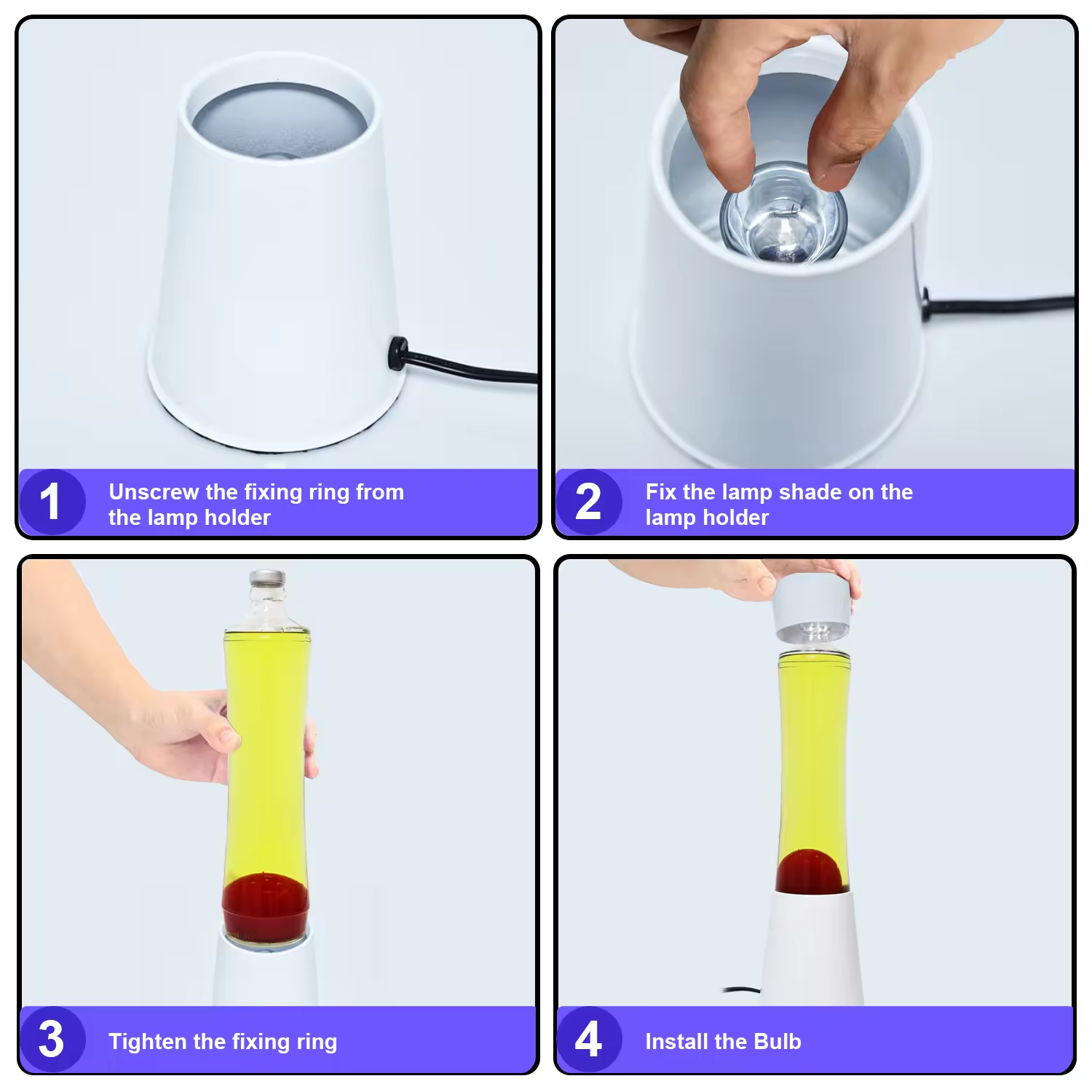
The Internal Structure of a Lava Lamp
Key Components
Glass Vessel
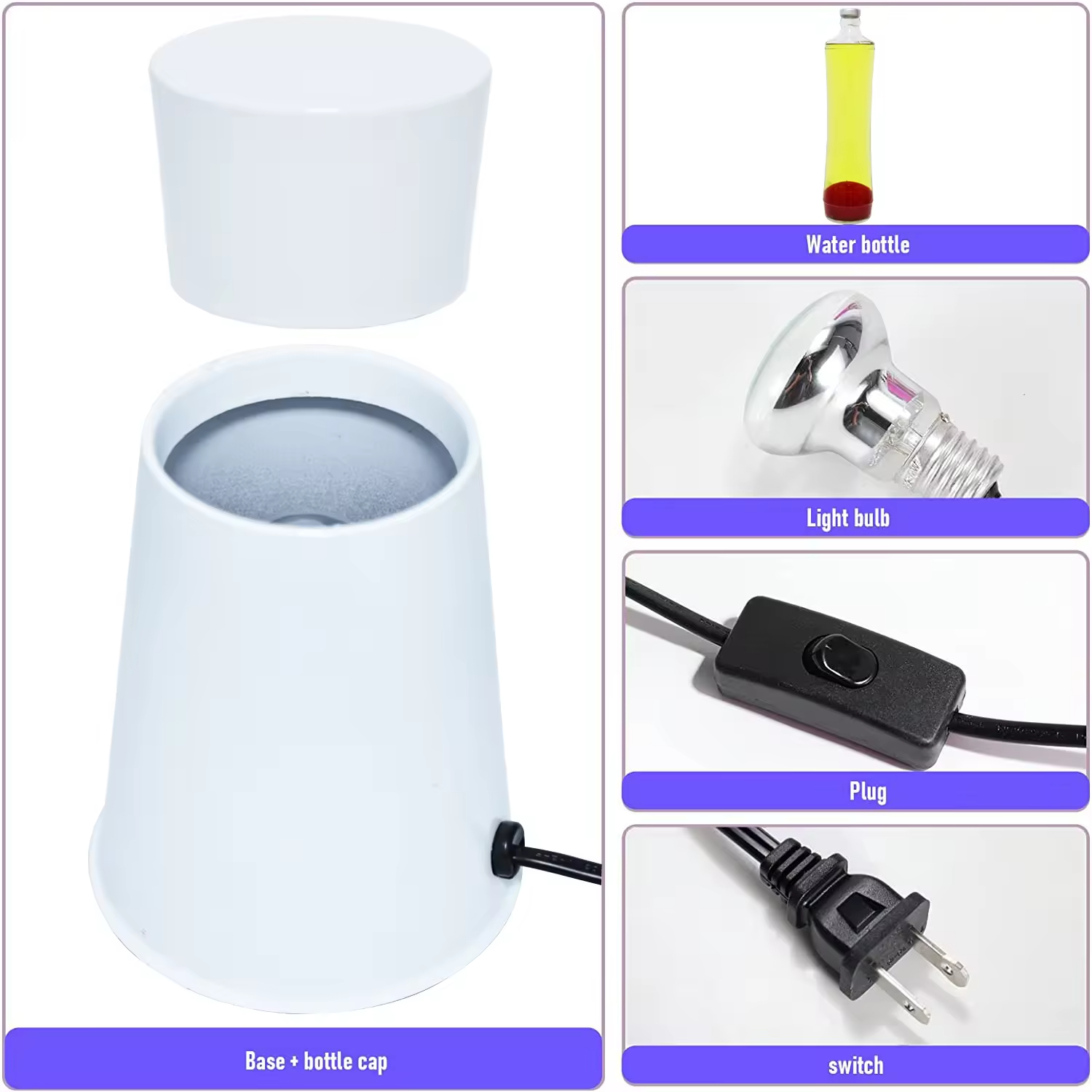
The glass vessel is the outer casing of the lava lamp, and it serves as the primary container for all the internal components. It is made of high - quality glass, which is chosen for its transparency, allowing the beautiful lava - like flow inside to be clearly visible. This transparency is crucial as it enables the light from the bulb to shine through, enhancing the visual appeal of the lamp.
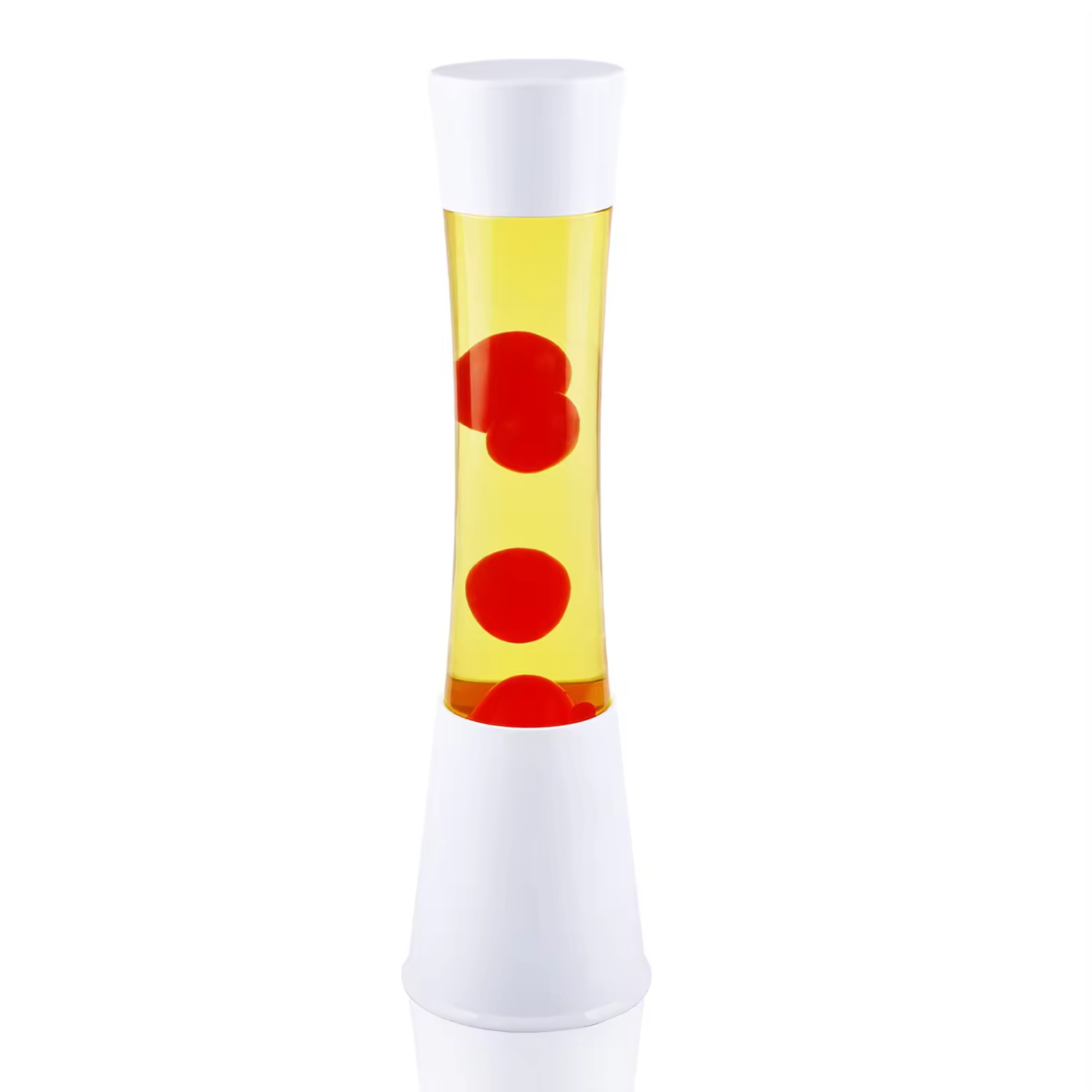
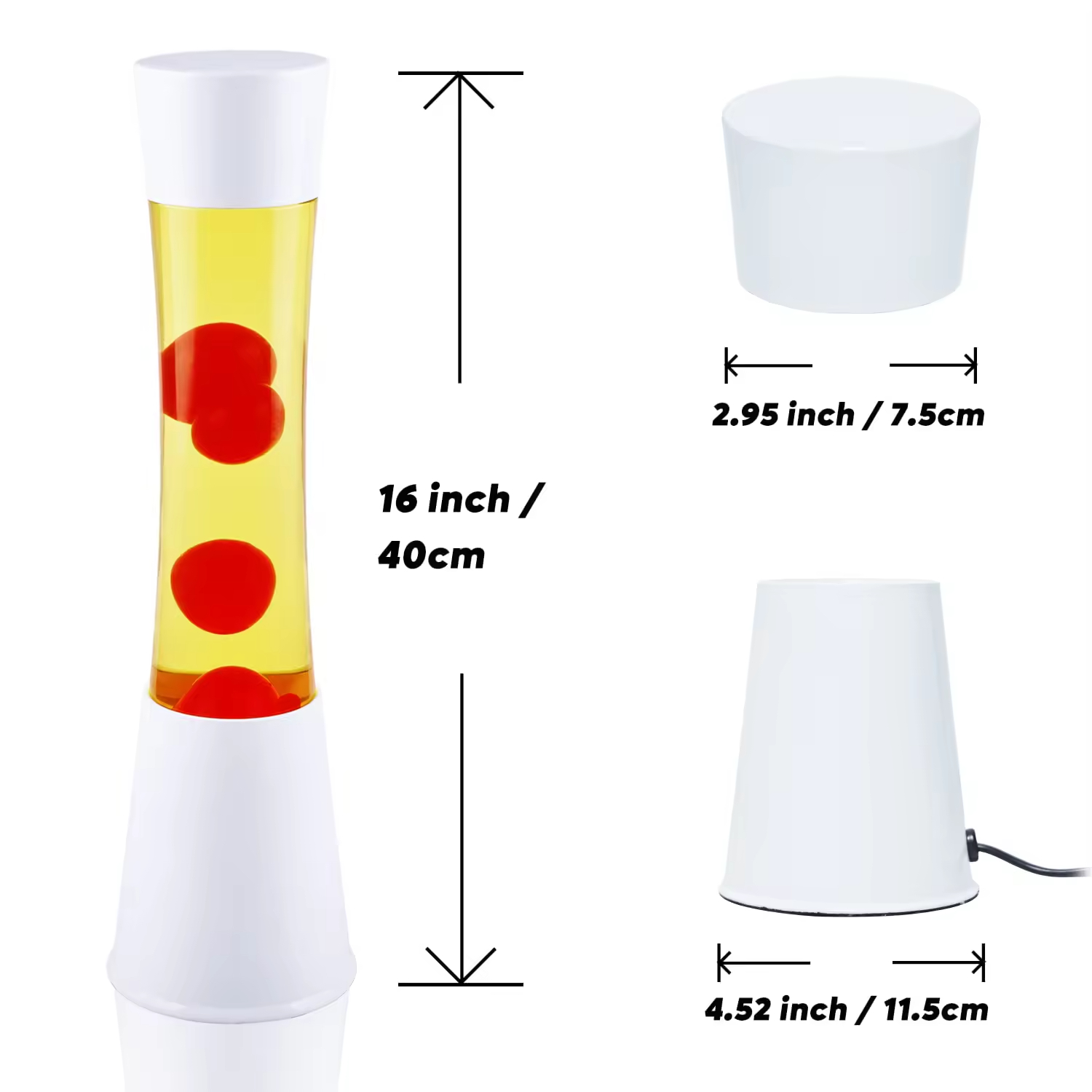
The glass vessel comes in various shapes and sizes. Some are tall and slender, while others are short and wide. The most common shapes are cylindrical, but there are also lava lamps with uniquely designed glass containers, such as those with curved or wavy sides. These different shapes not only add to the aesthetic charm of the lamp but can also affect the way the wax and liquid move within, creating slightly different visual effects. For example, a wider glass vessel might allow for more spread - out movement of the wax blobs, while a narrower one could make them move in a more concentrated, vertical pattern.
Liquid and Wax
The two main substances inside the glass vessel are the liquid and the wax, and their interaction is what creates the mesmerizing lava - lamp effect. The liquid is typically a clear, non - flammable substance, often a mixture of water and a special chemical compound. This liquid has a density that is carefully balanced relative to the wax.
The wax, on the other hand, is a colored, waxy substance. At room temperature, the wax is denser than the liquid, so it sits at the bottom of the glass vessel. However, when the lamp is turned on and the heat from the light source at the base is applied, the wax begins to heat up. As it heats, the wax melts, and its density decreases. This decrease in density causes the melted wax to become less dense than the surrounding liquid, and thus it starts to rise.
As the wax rises towards the cooler upper part of the glass vessel, it begins to cool down. As it cools, the wax becomes denser again, and gravity pulls it back down towards the bottom of the vessel. This continuous cycle of heating, rising, cooling, and falling creates the slow, undulating movement of the wax blobs, which resemble flowing lava. The colors of the wax are carefully chosen to create a visually appealing display, with bright, vivid colors like red, blue, green, or a combination of them, adding to the overall charm of the lava lamp.
Light Source
The light source in a lava lamp is usually an incandescent bulb located at the base of the lamp. This bulb serves two important functions: heating and illumination.
Firstly, the heat generated by the bulb is essential for the operation of the lava lamp. As mentioned earlier, the heat from the bulb causes the wax at the bottom of the glass vessel to melt and change its density, initiating the rising and falling motion that creates the lava - like effect. The temperature of the bulb is carefully calibrated to ensure that the wax melts at a suitable rate, not too quickly or too slowly, to provide a smooth and continuous flow.
Secondly, the light from the bulb illuminates the liquid and wax inside the glass vessel. This illumination is what makes the movement of the wax blobs visible and enhances the overall visual impact of the lamp. The warm glow of the incandescent bulb gives the lava lamp a soft, inviting light that can create a relaxing atmosphere in any room. When the light shines through the moving wax and liquid, it creates interesting patterns of light and shadow, further adding to the hypnotic quality of the lava lamp.
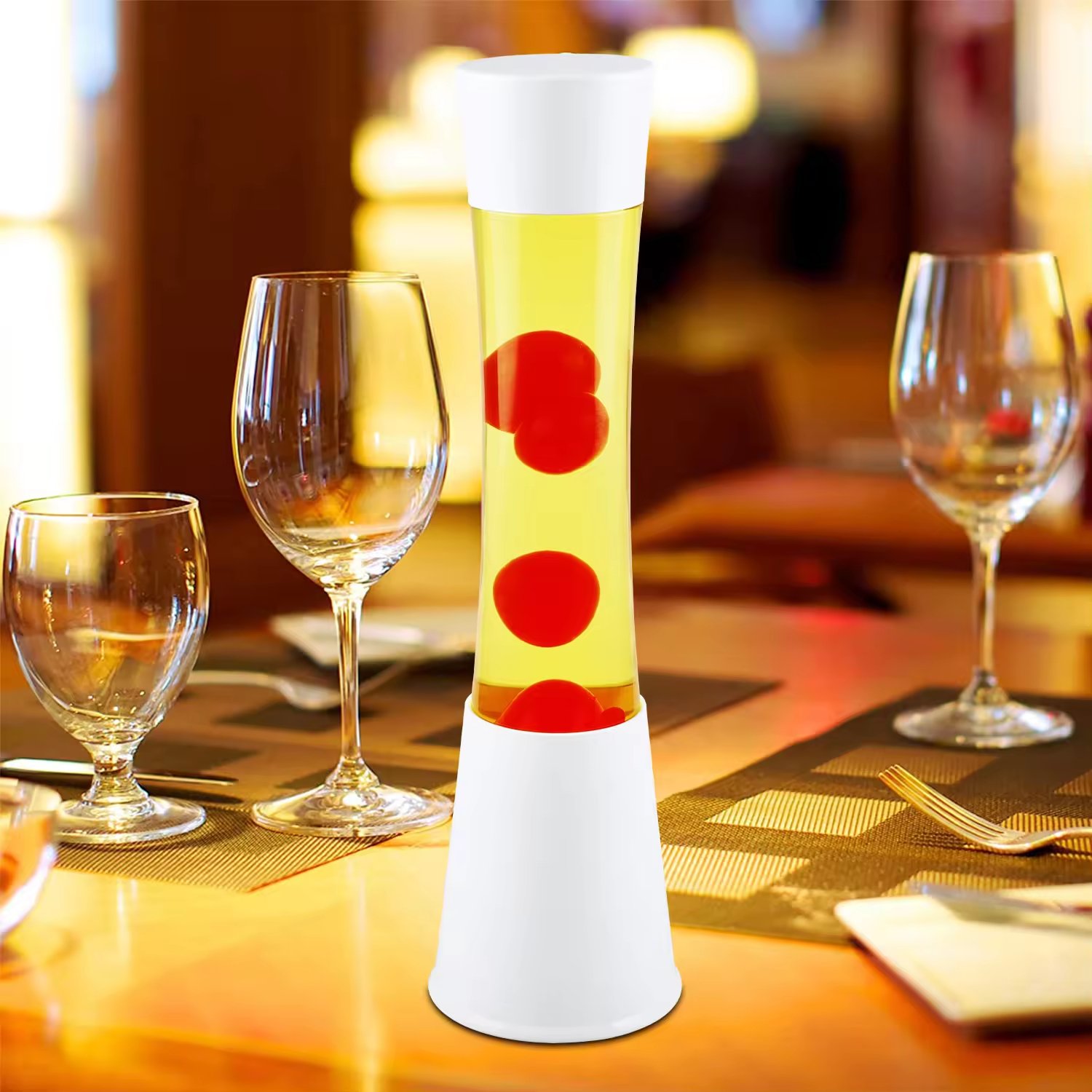
The Connection with Universal USB Chargers
Parameters of Universal USB Chargers
Universal USB chargers have several key parameters that are important to understand. Here is a parameter table:
Potential Use in Lava Lamps
The idea of using a universal USB charger for a lava lamp is an interesting one. However, there are several factors to consider.
First, we need to look at the power requirements of the lava lamp. Lava lamps typically use an incandescent bulb as a heat source, and these bulbs consume a certain amount of power. For example, a common lava lamp bulb might be around 25 - 40 watts. To calculate the current required, we use the formula \(I = \frac{P}{V}\) (where \(I\) is current, \(P\) is power, and \(V\) is voltage). If we assume a 30 - watt bulb and a standard 120 - volt household voltage, the current drawn would be \(I=\frac{30}{120}=0.25\)A.
Most universal USB chargers have an output voltage of 5V, which is much lower than the voltage required by a typical lava lamp bulb. Additionally, while the output current of USB chargers can range from 1A - 2.4A, the low voltage means that they are not designed to provide the power needed to heat the wax in a lava lamp.
If one were to attempt to use a USB charger for a lava lamp, it would likely not work. The low voltage would not be sufficient to power the bulb, and even if the voltage could be stepped up, the power output of the USB charger is likely too low to heat the wax and create the desired lava - like effect. It could also potentially damage the USB charger due to the mismatch in power requirements. So, in general, universal USB chargers are not suitable for powering lava lamps.
Expert's Perspective
Dr. Emily Thompson, a materials scientist with a focus on fluid dynamics, has studied the science behind lava lamps extensively. According to Dr. Thompson, "The lava lamp is a wonderful example of a simple yet elegant application of thermodynamics and density principles. The carefully calibrated density difference between the wax and the liquid, combined with the heat - induced changes in the wax's state, create a self - sustaining cycle of buoyant motion that is both visually appealing and scientifically fascinating."
She further elaborates on the importance of the heat source. "The incandescent bulb in a lava lamp not only provides the necessary heat but also serves as a crucial element in controlling the rate of the wax's melting and movement. If the heat is too intense, the wax may melt too quickly, disrupting the smooth, undulating motion. On the other hand, if the heat is insufficient, the wax may not melt enough to rise, and the lava - like effect will be lost."
When it comes to the potential use of universal USB chargers in lava lamps, Dr. Thompson agrees that the voltage and power output mismatch is a significant hurdle. "Universal USB chargers are designed for low - power, low - voltage devices like smartphones and tablets. The power requirements of a lava lamp are much higher, and the 5V output of a USB charger is far from what is needed to heat the wax and operate the lamp effectively. Any attempt to use a USB charger without proper voltage conversion and power amplification would be ineffective and potentially dangerous."
Looking towards the future, Dr. Thompson suggests that there could be room for improvement in lava lamp design. "With advancements in LED technology, there may be an opportunity to develop a more energy - efficient lava lamp. LEDs consume less power than incandescent bulbs and produce less heat. However, finding a way to use LEDs to generate the right amount of heat for the wax to move in a similar, mesmerizing pattern would be a challenging but rewarding area of research."
Frequently Asked Questions
Can I Open the Lava Lamp?
It is not recommended that you open a lava lamp. The liquid and wax inside a lava lamp are specifically formulated substances. The liquid may contain chemicals that could be harmful if ingested or come into contact with your skin or eyes. Additionally, the wax is designed to interact with the liquid in a very particular way within the sealed environment of the lamp. Opening the lamp would disrupt this carefully balanced system, and you would likely lose the ability to use the lamp as intended. There is also a risk of spilling the substances, which could be messy and potentially dangerous, depending on the components of the liquid. So, for both safety and functionality reasons, keep your lava lamp sealed.
How Long Does a Lava Lamp Last?
Under normal usage conditions, a lava lamp can last for many years. However, the lifespan of a lava lamp is mainly affected by two key factors: the lifespan of the bulb and the frequency of use. The incandescent bulb in a lava lamp has a limited lifespan, usually several hundred to a few thousand hours, depending on the quality of the bulb. As the bulb ages, it may dim or burn out completely, which will affect the operation of the lava lamp since the heat from the bulb is crucial for the wax movement.
The frequency of use also plays a role. If a lava lamp is used for long periods every day, it may experience more wear and tear, and components like the bulb may need to be replaced more frequently. On the other hand, if it is used sparingly, it can potentially last much longer without significant issues. In general, with proper care and occasional bulb replacements, a lava lamp can provide years of mesmerizing visual enjoyment.
What Should I Do If the Lava Lamp Stops Working?
If your lava lamp stops working, there are a few steps you can take to troubleshoot the issue. First, check the most obvious component: the bulb. Remove the bulb and check if it has burned out. You can do this by looking at the filament inside the bulb; if it is broken or appears blackened, the bulb needs to be replaced. Make sure to use a bulb with the correct voltage and wattage specifications for your lava lamp model.
Next, examine the liquid and wax inside the lamp. Over time, the liquid may become cloudy or the wax may start to break down into small pieces. If the liquid has changed color significantly or has a strange appearance, it could indicate a problem with the internal components. In some cases, the wax may stop moving properly due to a change in its density or an issue with the heating element.
If you have checked the bulb and the liquid - wax system appears normal, but the lamp still isn't working, there could be a problem with the electrical connection or the internal wiring of the lamp. At this point, it may be best to contact the manufacturer or a professional repair service. They will have the expertise and tools to diagnose and potentially fix more complex electrical or mechanical issues within the lava lamp.
Conclusion
In conclusion, the lava lamp is a remarkable piece of home decor that combines art and science. Its internal structure, with the glass vessel, carefully calibrated liquid and wax, and the heat - generating light source, work together in harmony to create the captivating, ever - changing display that we love. While the idea of using a universal USB charger for a lava lamp might seem interesting, the significant differences in voltage and power requirements make it an impractical solution.
Dr. Emily Thompson's insights have further deepened our understanding of the delicate balance within a lava lamp and the challenges of adapting new power sources. As we continue to explore the world of unique lighting, the lava lamp remains a classic example of how a simple concept can lead to a visually stunning and enduring product.
If you're intrigued by the inner workings of the lava lamp, don't stop here. Try experimenting with different DIY lava - lamp - like projects at home, or look for more advanced lava - lamp designs in the market. There's always more to discover about these fascinating lamps, and we hope this blog has sparked your curiosity to learn even more about the science and art behind the lava lamp.
Discover the Enchanting 80cm Bubble Fish Lamp
What is a lava lamp? Why can more than 100 lamps placed together protect a website?
Related Article

he global decorative lighting market is changing rapidly. Instead of selling only standard lighting products, more brands, retailers, and distributors are looking for customized lighting solutions that help them create unique products and strengthen their market position.
Why Custom Decorative Lighting Is Becoming a Key Growth Strategy for Global Brands in 2026

Home lighting is no longer just about brightness. In 2026, smart ambient lighting has become an important element of modern interior design, helping people create personalized spaces with color, atmosphere, and visual experiences.
How Smart Ambient Lighting Is Transforming Modern Home Decor in 2026?

Decorative lighting is no longer just about illumination. In 2026, it has become an essential part of interior design, lifestyle branding, and consumer experience. Whether in homes, hotels, retail stores, cafés, or entertainment venues, decorative lighting products are increasingly chosen to create atmosphere, express personality, and enhance living spaces.
How Decorative Lighting Is Evolving in 2026: Trends Buyers Should Know
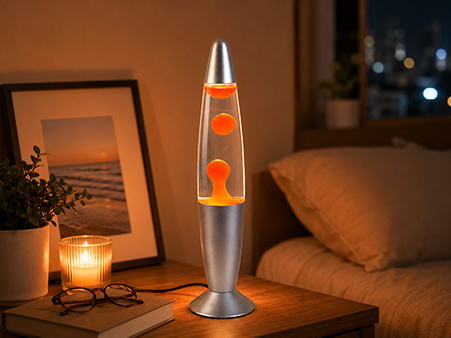
When global B2B buyers and gift shop retailers source commercial lava lamps, identifying manufacturing quality is critical to avoiding product returns and ensuring safety compliance. High-quality commercial lava lamps are defined by three core benchmarks: high-borosilicate scratch-resistant glass, certified non-toxic paraffin wax formulas that prevent cloudiness, and strict thermal safety compliance including CE, RoHS, and UL certifications.
How to Identify High-Quality Motion Lighting for Wholesale