
Unveiling the Mysterious Origins of Lava Lamps
author: Tony
2025-11-19
Unveiling the Mysterious Origins of Lava Lamps
Table of Contents
- What are Lava Lamps
- The Birth of Lava Lamps
- Inspiration Sources of Lava Lamps
- Expert Insights on Lava Lamps
- The Allure of Lava Lamps in Home Decor
- Common Questions and Answers in the Lava Lamp Industry
- Conclusion
What are Lava Lamps
Definition and Appearance
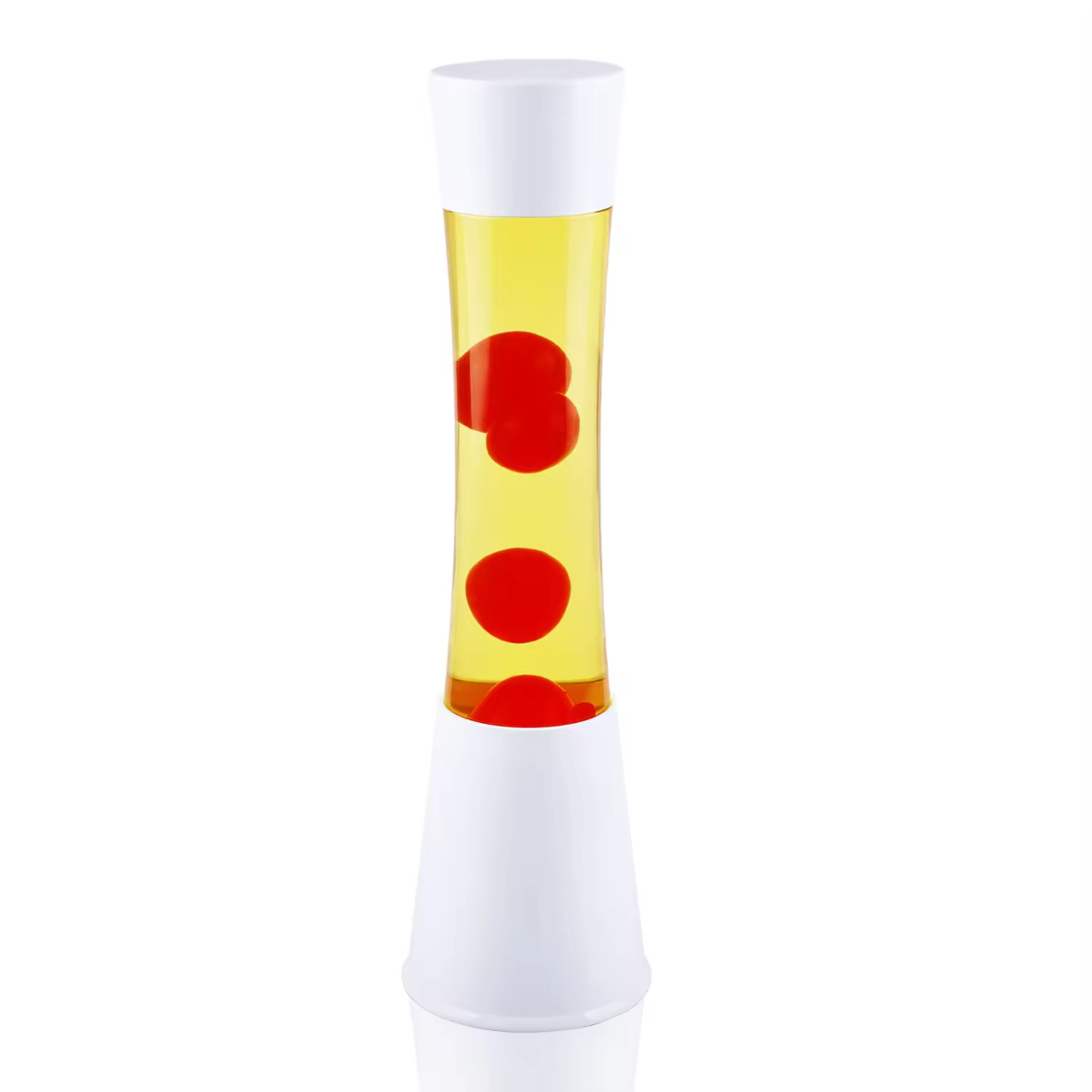
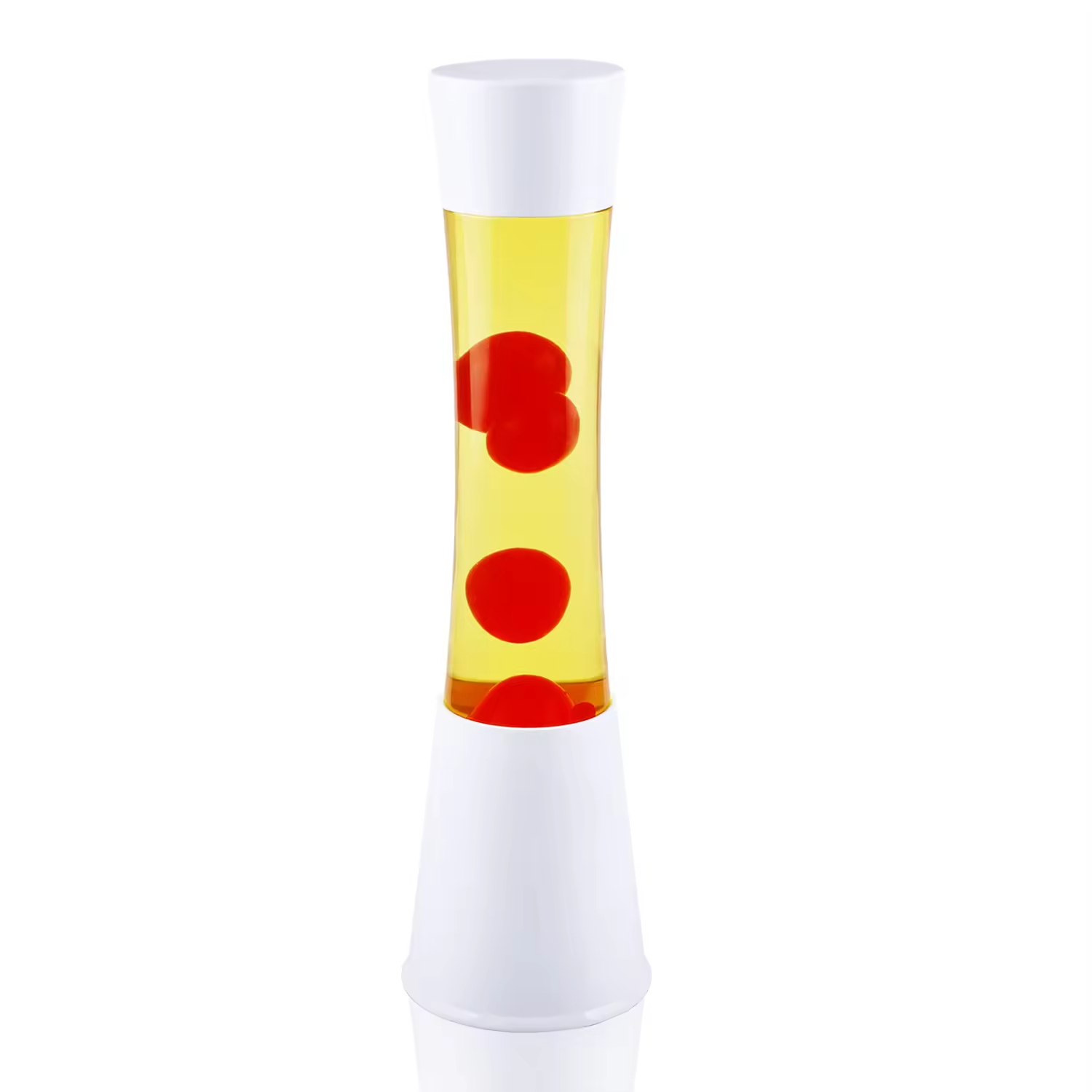
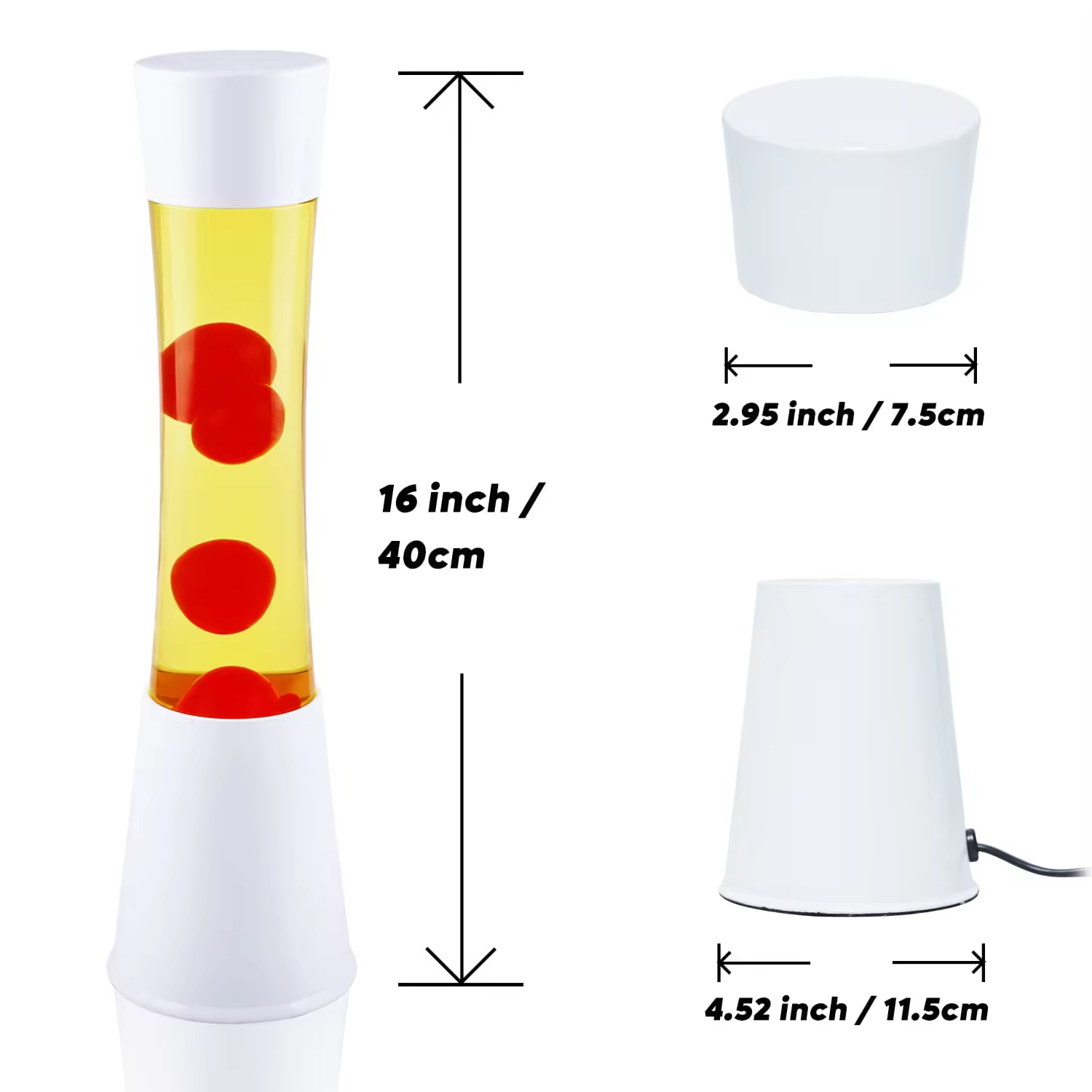
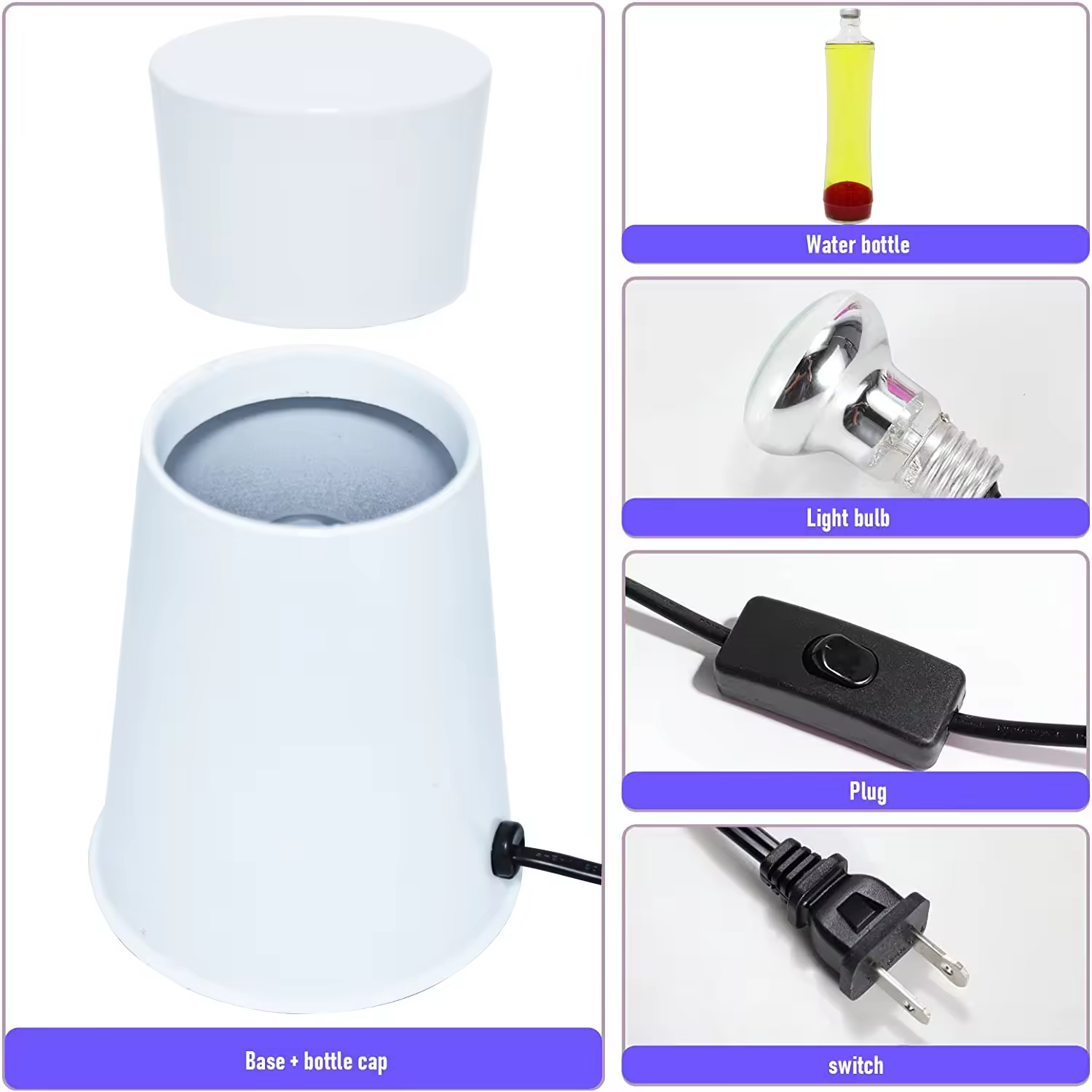
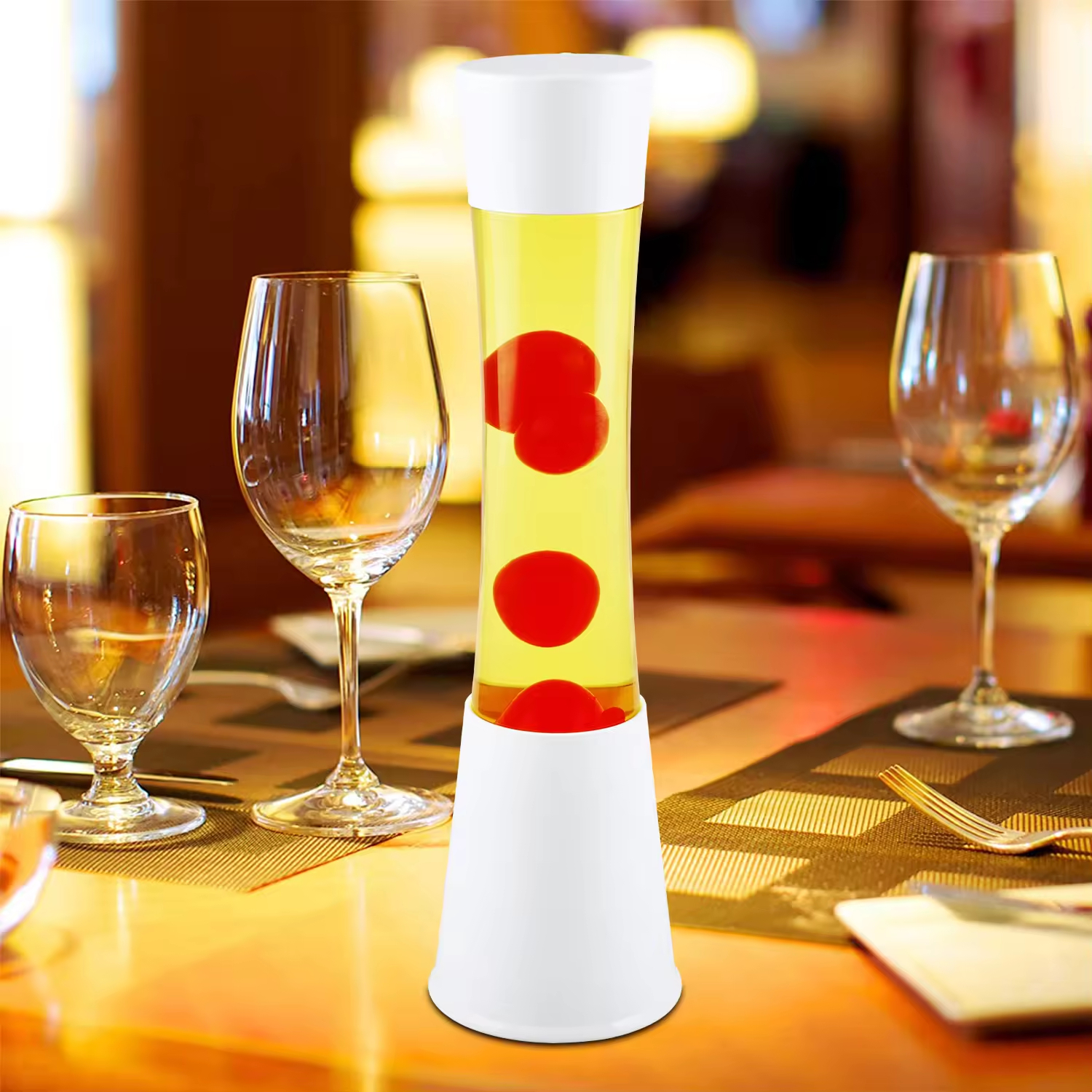
A lava lamp is a unique and visually captivating lighting fixture that has been a popular decor item for decades. Also known as a wax lamp, jelly lamp, or liquid motion lamp, it consists of a glass container filled with a mixture of a clear or colored liquid and a wax-like substance. The glass container is usually placed on a base that contains a light bulb.
The wax inside the lamp is typically colored, and when the lamp is turned on, the wax forms blobs that rise and fall slowly within the liquid, creating a mesmerizing, lava-like flow. Lava lamps come in a variety of shapes and sizes, from small table-top versions to larger floor-standing models. The glass containers can be clear, frosted, or even tinted, and the bases can be made of plastic, metal, or ceramic, often with decorative designs.
Working Principle
The working principle of a lava lamp is based on the concepts of heat transfer and density changes. At the bottom of the lava lamp, there is an ordinary incandescent bulb. When the lamp is switched on, the bulb generates heat. This heat is transferred to the wax-like substance at the bottom of the glass container.
As the wax heats up, its density decreases. According to the principle of buoyancy, less-dense objects tend to float in more-dense substances. So, the heated wax, now less dense than the surrounding liquid, begins to rise. As the wax blobs rise towards the top of the lamp, they move away from the heat source. As a result, they start to cool down. When the wax cools, its density increases again, and it becomes heavier than the surrounding liquid. Due to this increase in density, the wax blobs then sink back down towards the bottom of the lamp, where they are reheated, and the cycle continues. This continuous cycle of rising and falling wax blobs, illuminated by the light from the bulb, creates the ever-changing, flowing lava-like effect that lava lamps are known for.
The Birth of Lava Lamps
The Inventor - Edward Craven-Walker
The man behind the creation of the lava lamp is Edward Craven-Walker. Born in Dorset, England, Craven-Walker had a diverse background. He was an entrepreneur with a passion for unique and innovative products. Before his invention of the lava lamp, he was involved in various business ventures. His in-depth understanding of consumer preferences and his creative mindset set the stage for his most famous creation.
Craven-Walker was also an artist at heart, and his appreciation for aesthetics and the visually appealing greatly influenced his work. This combination of business acumen and artistic sensibility was crucial in the development of the lava lamp, which not only became a functional lighting device but also a highly sought-after decorative item.
The Invention Process
The invention of the lava lamp was a serendipitous event. In the 1960s, while Craven-Walker was visiting a pub in Hampshire, England, he noticed an unusual table decoration. It consisted of a cocktail shaker filled with a mixture of water and wax. As the shaker was moved, the wax blobs inside would rise and fall in an interesting, fluid-like motion. This sight immediately caught his attention and sparked an idea.
He saw the potential in turning this simple, captivating display into a commercial product. After that initial inspiration, Craven-Walker spent a significant amount of time in his workshop, conducting numerous experiments. He needed to find the perfect combination of wax, liquid, and a heating element to create a self-contained, continuous lava-like effect. He experimented with different types of waxes, varying their melting points and densities. He also tested a wide range of liquids to ensure they were compatible with the wax and provided the desired visual effect.
The choice of the light bulb as the heat source was a crucial element. It had to generate enough heat to warm the wax but not so much that it would damage the glass container or cause the wax to overheat and become unstable. After months of trial and error, Craven-Walker finally perfected the formula and design. The first lava lamp, which he named the "Astro Lamp," was born. It was an instant hit. The unique, ever-changing patterns created by the rising and falling wax blobs, illuminated by the soft glow of the light bulb, captivated people's imagination. The lava lamp quickly became a symbol of the swinging sixties, fitting perfectly into the era's trend of bold, innovative, and visually stimulating decor.
Inspiration Sources of Lava Lamps
Natural Phenomena - Volcanic Eruptions
One of the primary sources of inspiration for lava lamps is volcanic eruptions. The visual spectacle of a volcanic eruption, with molten lava flowing, bubbling, and oozing, is both powerful and captivating. The slow-moving, viscous nature of lava as it spills down the sides of a volcano, creating ever-changing patterns, is strikingly similar to the movement of the wax in a lava lamp.
Volcanic eruptions are a natural display of heat, energy, and the movement of substances with different densities. In a lava lamp, the heat from the bulb serves as the energy source, just as the heat from the Earth's mantle powers volcanic activity. The wax in the lava lamp, when heated, becomes less dense and rises, mimicking the upward flow of molten lava. As the wax cools and becomes denser, it sinks back down, similar to how lava cools and solidifies as it moves away from the heat source during an eruption. This parallel in the behavior of the wax in a lava lamp and the lava during an eruption is what makes volcanic eruptions a clear inspiration for the design of lava lamps.
Scientific Concepts - Density and Buoyancy
Lava lamps are also deeply rooted in scientific concepts, particularly density and buoyancy. Density is defined as the mass of a substance per unit volume. In a lava lamp, the wax and the surrounding liquid have different densities. The wax is initially denser when it is cold and settles at the bottom of the lamp. When the bulb heats the wax, it expands, and its density decreases.
Buoyancy, on the other hand, is the upward force exerted on an object immersed in a fluid. According to Archimedes' principle, an object will float in a fluid if its density is less than that of the fluid. In a lava lamp, when the wax's density becomes less than that of the surrounding liquid due to heating, the wax experiences an upward buoyant force, causing it to rise. As the wax moves away from the heat source and cools, its density increases again. Once its density is greater than that of the liquid, the buoyant force is no longer sufficient to keep it afloat, and it sinks back down.
These scientific principles are essential in creating the characteristic flowing effect of the wax in a lava lamp. Without the proper understanding and application of density and buoyancy, the wax would not move in the mesmerizing, cyclic manner that lava lamps are known for.

Cultural and Artistic Influences
The cultural and artistic landscape of the time also played a significant role in inspiring the lava lamp. In the 1960s, when the lava lamp was invented, there was a strong trend towards bold, innovative, and visually stimulating art and design. The era was marked by the rise of psychedelic art, which was characterized by bright, vivid colors, swirling patterns, and a sense of movement and fluidity.
The lava lamp, with its constantly changing, flowing wax blobs and colorful appearance, fit perfectly into this aesthetic. It became a symbol of the counter-culture movement of the 1960s, representing a break from traditional, conservative design and a celebration of creativity and individuality. The lava lamp's ability to create a unique, relaxing, and somewhat otherworldly atmosphere also made it a popular choice for those looking to create a distinct ambiance in their homes or social spaces. It was often seen in hippie communes, art studios, and music venues, adding to its cultural significance and making it a beloved decor item that continues to be popular today, bridging the gap between art, science, and popular culture.
Expert Insights on Lava Lamps
Interviews with Design Experts
To gain a deeper understanding of the design inspiration behind lava lamps, we interviewed several design experts. According to Dr. Emily Thompson, a renowned industrial design professor at a leading design school, "The lava lamp is a perfect blend of art and science. The inspiration from natural phenomena like volcanic eruptions is not just about the visual similarity but also about capturing the essence of nature's dynamic and ever-changing processes. It's a way of bringing a piece of the raw, powerful beauty of nature into our homes in a safe and controlled form."
She also pointed out that the cultural and artistic influences of the 1960s were instrumental in shaping the lava lamp's design. "The 1960s was a time of great social and cultural change. Designers were looking for ways to break free from traditional norms. The lava lamp, with its bold colors, fluid motion, and unique aesthetic, was a reflection of that era's spirit of rebellion and creativity. It wasn't just a lamp; it was a statement piece that resonated with the youth and the counter-culture movement."
Insights from Material Scientists
Material scientists also play a crucial role in the development of lava lamps. Dr. James Wilson, a materials research scientist, shared his insights on the materials used in lava lamps. "The choice of wax and liquid in a lava lamp is highly specialized. The wax needs to have a specific melting point and density. Paraffin wax is commonly used because it has a relatively low melting point, which allows it to be easily heated by the bulb in the lamp. It also has a density that can be adjusted through the addition of other substances to ensure the proper buoyancy and movement within the liquid."
Regarding the liquid, he explained, "The liquid in a lava lamp is typically a non-flammable, clear liquid with a density different from that of the wax. Mineral oil or a specially formulated silicone-based liquid is often used. These liquids are chosen for their stability, transparency, and compatibility with the wax. They provide a medium in which the wax can move freely, creating the characteristic lava-like effect. The materials' properties are carefully considered to achieve the perfect balance between functionality and visual appeal, which is directly related to the original design inspiration of creating a captivating, flowing display."
The Allure of Lava Lamps in Home Decor
Creating a Relaxing Ambiance
Lava lamps have a remarkable ability to create a relaxing and soothing ambiance in any space. The soft, warm glow emitted by the light bulb, combined with the slow, rhythmic movement of the wax blobs, has a mesmerizing effect on the viewer. In a living room, after a long day at work, the gentle, flowing motion of the lava lamp can help to calm the mind and reduce stress. It serves as a focal point, drawing the eye and providing a visual anchor that encourages relaxation.
In a bedroom, a lava lamp can create a peaceful and serene atmosphere, perfect for winding down before sleep. The soft light is not as harsh as traditional overhead lighting, making it easier on the eyes and promoting a more restful environment. The ever-changing patterns of the wax can also act as a form of visual meditation, allowing the mind to wander and unwind, much like watching a gentle fire in a fireplace.
How to Identify High-Quality Motion Lighting for Wholesale
Lava Lamp: The Must-Have for Your Living Room to Create a Perfect Ambiance and Elevate Your Style
Related Article

he global decorative lighting market is changing rapidly. Instead of selling only standard lighting products, more brands, retailers, and distributors are looking for customized lighting solutions that help them create unique products and strengthen their market position.
Why Custom Decorative Lighting Is Becoming a Key Growth Strategy for Global Brands in 2026

Home lighting is no longer just about brightness. In 2026, smart ambient lighting has become an important element of modern interior design, helping people create personalized spaces with color, atmosphere, and visual experiences.
How Smart Ambient Lighting Is Transforming Modern Home Decor in 2026?

Decorative lighting is no longer just about illumination. In 2026, it has become an essential part of interior design, lifestyle branding, and consumer experience. Whether in homes, hotels, retail stores, cafés, or entertainment venues, decorative lighting products are increasingly chosen to create atmosphere, express personality, and enhance living spaces.
How Decorative Lighting Is Evolving in 2026: Trends Buyers Should Know
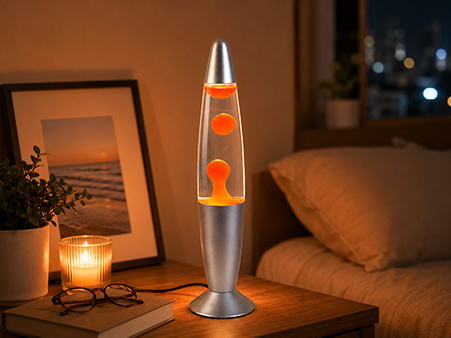
When global B2B buyers and gift shop retailers source commercial lava lamps, identifying manufacturing quality is critical to avoiding product returns and ensuring safety compliance. High-quality commercial lava lamps are defined by three core benchmarks: high-borosilicate scratch-resistant glass, certified non-toxic paraffin wax formulas that prevent cloudiness, and strict thermal safety compliance including CE, RoHS, and UL certifications.
How to Identify High-Quality Motion Lighting for Wholesale